How to Avoid Opening-Day Duck Hunting Disasters
Posted 2026-09-24 by
Waterfowl openers can become stressful if you’re not prepared. Follow these steps to be safe and successful
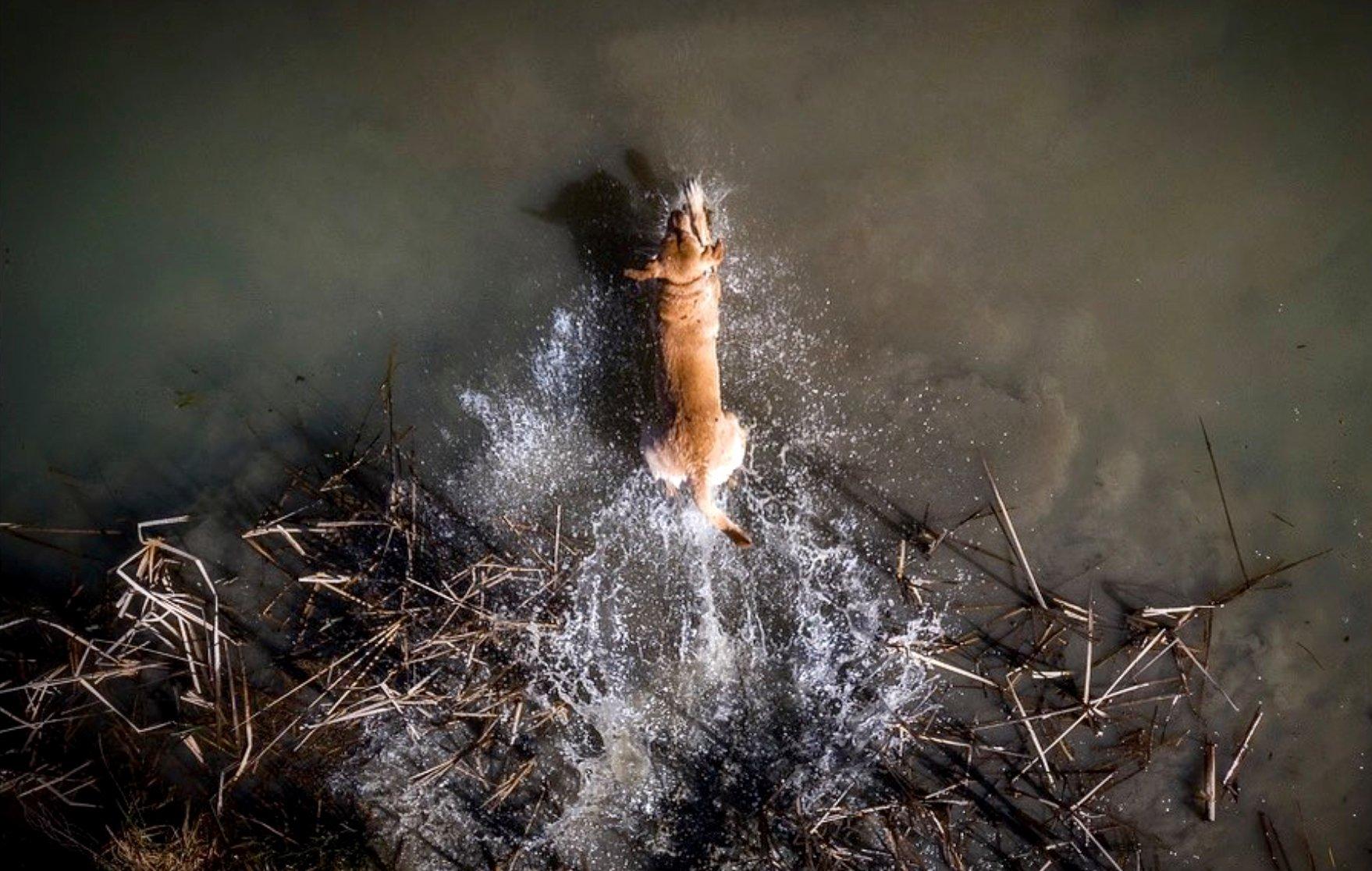
Expect your dog to regress a bit behavior-wise when faced with the distractions of opening day. Stay calm, use basic training principles, and make sure your retriever understands what he’s being asked to do. Photo by Bill Konway.
Many duck hunters have been preparing for opening day since the last season closed. But some — and admit that you’ve been there — are probably heading toward the opener with little or no planning. And you know that’s not good.
Don’t panic. Whether your season opens this weekend or in a few weeks, you can still check enough boxes to avoid an empty strap (or worse). Address these considerations before you hit the water.
Don’t Miss: Double Your Duck Stamps for Conservation
READY YOUR GEAR
Check everything you’ll use opening day to make sure it’s in working condition. Test batteries on headlamps and spinning-wing decoys, and replace dead ones. Shoot your shotgun to make sure it cycles and that no mechanical problems have arisen. Make sure you have the right choke tubes screwed in. Clean your calls, and replace reeds and cork if necessary. Wash your decoys, and check all cords and anchors. If you have time, apply touch-up paint where required. Make sure your waders don’t leak, and check other garments to make sure they haven’t “shrunk” in the off-season.
Above all, if you plan to use a boat and motor, get on the water to make sure everything is in top order. Check your trailer lights and boat lights. Be certain you can find the drain plug. Inspect your prop and hull. Double-check that you have enough operational life jackets. Operating a boat in the dark is tough enough without facing safety issues.
DON’T SURPRISE YOUR DOG
Here’s one of the top mistakes many duck hunters make, even if they work with their retrievers regularly: They put the dog in an unfamiliar situation opening day and ask it to do something it’s never done — with dozens of distractions everywhere. It’s a recipe for failure.
If nothing else, make sure your dog is accustomed to traveling to and from your hunting spot, whether that’s in a boat, walking or swimming. Make sure he’s conditioned to sit in the blind or on a dog stand. If he’s not steady — and many dogs that are steady during training come unglued when a flurry of gunshots erupt — use a dog stake or similar method to ensure he doesn’t break at or before the shot. When possible, run your dog at your hunting spot or a similar area to get him accustomed to swimming and retrieving in those conditions.
Don’t Miss: Your Duck Dog is a Stubborn Monster. Here’s How to Train Him
Here’s the most important thing: Don’t lose your cool. Expect your dog to regress a little bit when thrown into a new area with multiple distractions. Revert to basic training principles, and be calm yet firm with your buddy.
HAVE BACKUP PLANS
Ever had a killer opening-day plan blow up in your face because of hunting pressure or other unforeseen events? Every duck hunter has. That’s why it’s critical to have several spots and strategies mentally mapped out before the big day.
Scout as much as possible to find birds, but always keep an eye out for potentially high-pressure situations. For example, some hunters flat-out refuse to hunt areas with improved boat ramps or easy walk-in access. After you find likely spots, locate several nearby options that might also work. They probably won’t look as good as your No. 1 choice, but that’s immaterial. Your top spot won’t be any good either if some yahoo sets up 50 yards downwind 15 minutes before shooting hours.
Also, plot out some plans to let pressure work for you. On some waters, ducks will follow fairly obvious flight lines — creeks, channel arms, timber-lined shorelines — to escape pressure. If nothing else, you might set up there and get some shooting at birds that are trading from one area to another.
Don’t Miss: Louisiana Announces First Whistling Duck Season
ADJUST YOUR MINDSET
Here’s the problem with opening day (if there is one): Everyone is excited, and everyone has the same idea. And again, some folks simply aren’t prepared. That’s why conflicts and frustrations arise. To make the day go smoother, remind yourself of this: The opener is just one day in a long season. Control what you can, and don’t sweat the intangibles. Set up small, attainable goals for success, but try to enjoy the day for what it is. If all else fails, smile at the chance to get out and hunt, and be glad that there are many more mornings ahead.