Vermont Plans to Decrease Moose Hunting Permits for 2026 Season
Posted 2026-03-04 by
The goals is to improve moose health by limiting hunts to the area with the densest population
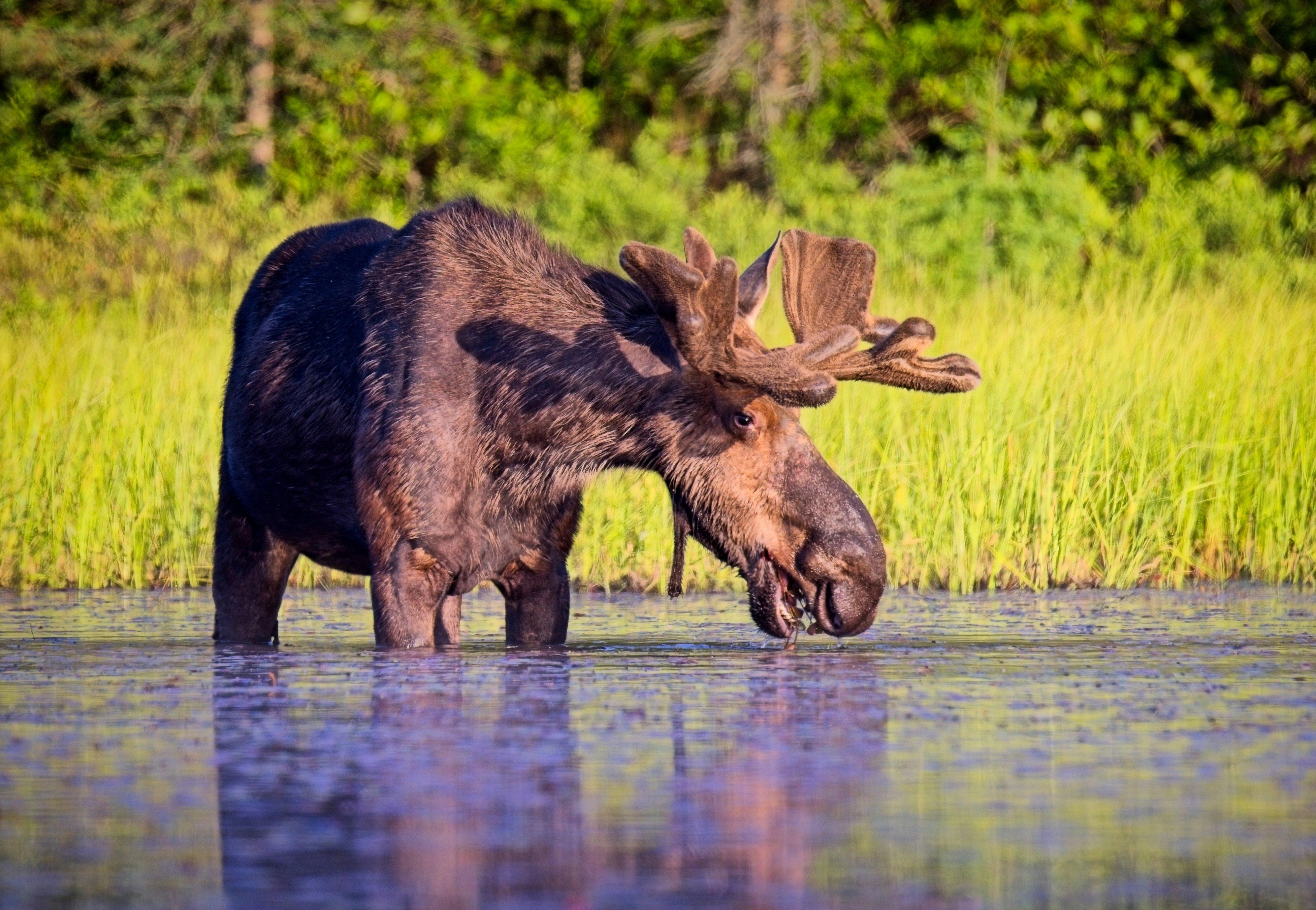
Vermont is proposing a reduction in moose hunting permits to moderate negative impacts on the population due to an increase in winter ticks. (Photo by Pierre Williot)
The Vermont Fish and Wildlife Department has proposed a decrease in moose hunting permits and limiting the permits to Wildlife Management Unit E in the NEK. The reduction from nearly 180 permits to 85 is in an effort to help moderate the impact of the increase of winter ticks, which are killing moose calves and weakening adults. No permits are recommended for the rest of the state.
According to northstarmonthly, the proposal, which was presented to the Fish and Wildlife Board at its Feb. 18 meeting, is now available for public comment.
The goal of the 2026 moose harvest recommendation is to improve the health of moose in WMU-E by maintaining a lower moose population in the area and thereby reducing the abundance and impact of winter ticks.
Don’t Miss: West Virginia Bill Would Require Antler Restrictions for Second Buck
"Moose are abundant in WMU-E with significantly higher population density than in any other part of the state," said Nick Fortin, Vermont Fish and Wildlife's moose project leader. "The higher moose density supports high numbers of winter ticks, which negatively impact moose health and survival."
Monitoring in WMU-E shows winter ticks continue to negatively impact the moose population, causing low birth rates and killing many calves during their first winter
"Research has shown that lower moose densities support relatively few winter ticks that do not impact moose populations," Fortin said. "Reducing moose density decreases the number of available hosts, which in turn decreases the number of winter ticks on the landscape."
The department plans to issue 60 either-sex moose hunting permits and 20 antlerless moose permits in WMU-E for the moose seasons this October. It’s expected that hunters will take about 42 moose, or about 6 percent of the moose population in WMU-E.
"This permit recommendation represents a continued attempt to address winter tick impacts on moose in WMU-E," Fortin said. "It aims to stabilize the moose population near the target density of one moose per square mile. Without intervention to maintain a lower-density moose population, high tick loads will continue to impact the health of moose in that region for many years."