A 5-Hour Gobbler Game Plan
Posted 2026-04-13 by
Spring turkeys often follow distinct patterns from fly-down through midmorning. This timeline strategy will help you stay in the game and fill more tags
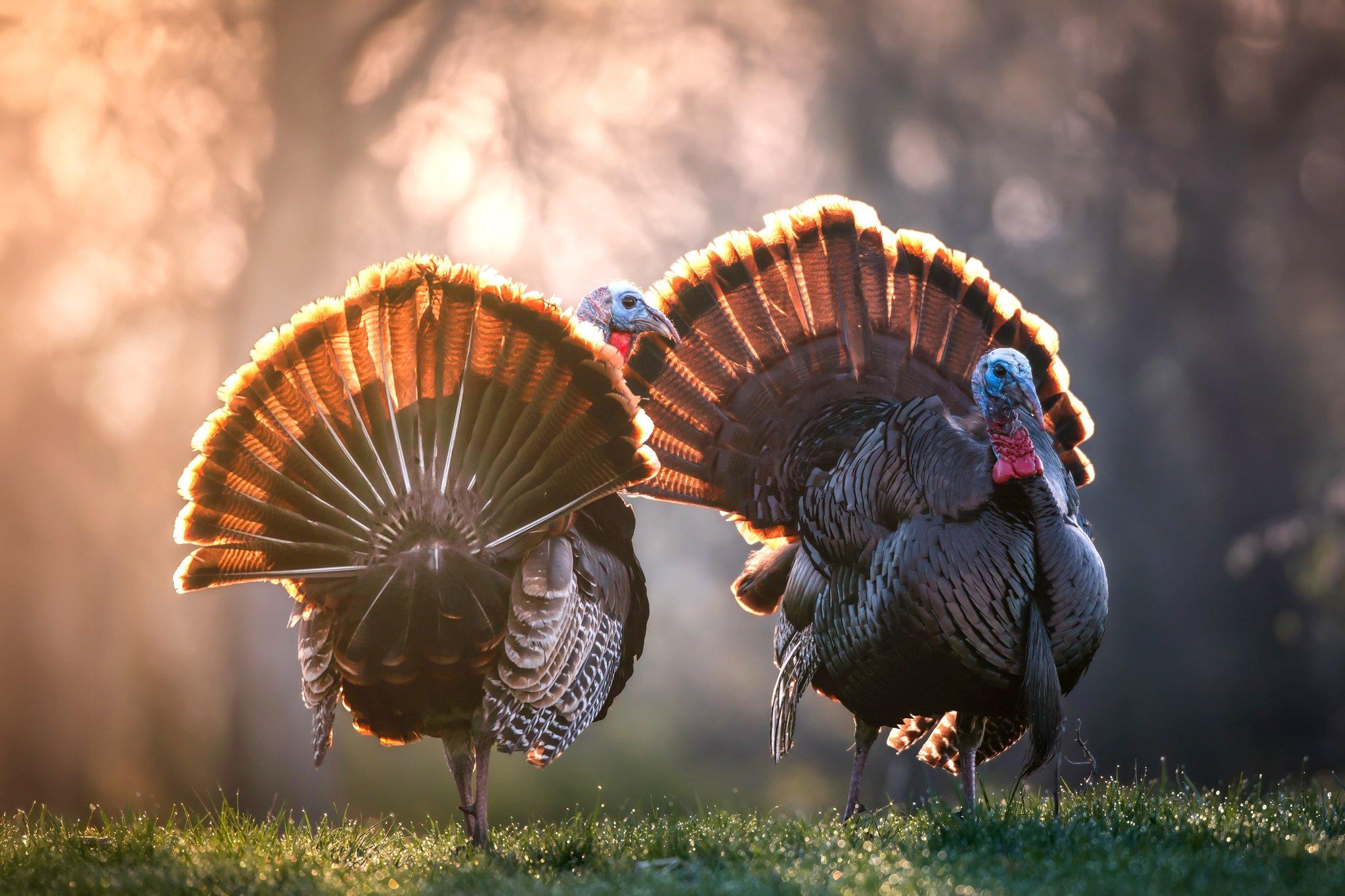
Late in the morning, many hens leave gobblers, and some longbeards rev up in hopes of finding another girlfriend. Photo by Clayton Worrell.
From the time a longbeard wakes on his limb and gobbles, until he flies down to strut, gather and breed hens, you have three stages of activity spread out across about five hours to trick him with solid setups and sweet calling.
6:30 to 8:30 A.M.
Turkey behavior: Throughout April, most gobblers roost with hens, or at least where they can see and hear hens nearby in roost trees. On a clear, high-pressure morning, expect gobblers to roar and hens to yap. They should all fly down at sunrise (around 6:30 a.m. this month). On humid, low-pressure days, birds are often less sassy and talkative, and they sometimes hang on their limbs longer, until 6:45 a.m. or so.
Don’t Miss: Want to Shoot an Early Season Gobbler? Hunt His Hens
Moves and setups: Listen for gobbler thunder from a ridge or field edge. Don’t pull out a call and blast away. Be still and listen. Chances are a crow will fly over and caw, or an owl will hoot. A turkey roosted close by should roar at that. If it’s getting light and I haven’t heard a peep, I’ll owl hoot a few times and then crow call.
Move toward the first gobble you hear and check up. Stop and listen for two or three more gobbles to get a solid line on the bird. With leaves starting to grow thick on trees now, it’s usually easy to sneak to within 125 yards or so of a roosted gobbler. Move cautiously but quickly to get to a setup before he flies down. If possible, sit on a ridge above a tom, or at least on the same level with him. Try to pick a fairly open spot where it’s easy for gobbler to pitch out and come to your calls.
Calls: Fight the urge to yelp too early, even when a gobbler is ripping it on the limb. If I don’t hear hens yelping and think a gobbler is roosted alone, I might tree call softly once or twice, but most of the time, I wait for him to fly down and then start yelping. As a rule, the more he gobbles, the more I call. A hot tom might sprint in alone, or a sassy hen might come your way, towing a big boy along. But on mornings when turkeys are less chatty, tone down some. Any mouth or friction call you have confidence in works fine the first hours.
8:30 to 9:30 A.M.
If you don’t score by 8:30 a.m., things can get tricky, as many gobblers lock down with hens. The breeders might not talk much — hence the dreaded gobbling lull. Some toms and hens move off to breed, but others stay and play within a few hundred yards of trees they roosted in.
Don’t Miss: Are TSS Turkey Loads Doomed?
Moves and setups: If a gobbler continues to answer your calls now and then, sit tight. You never know when he’ll break and come. If a big beard shuts up and begins to drift away with his harem (very common), fight the urge to move too quickly. One of his hens or a vagabond hen cruising through the area might bust you, scream a putt and blow things up. Many mornings, I sit and listen as a gobbler and hens drift away, their calls getting fainter. I try to track the turkeys as they move to an oak ridge or green field where they strut and feed. Then I will decide whether to slip over there an hour later and call to the gobbler from a new setup or come back the next day and try him again.
Calls: If a bird still answers your calls an hour after he flies down but won’t budge closer, he’s interested, but you’re calling too much. He’s waiting for you, the “hen,” to come to him. Cut back or quit calling in hopes he’ll eventually get curious and break your way. If the turkeys completely clam up, do the same. Hammering away on a call to a gobbler that is not ready to commit only makes it tougher to fool him later in the morning or later in the season.
9:30 to 11:30 A.M.
Many hens quit the gobblers and drift away to sit on their nests. Left hanging, toms roam the woods, and some of them rev up gobbling in hopes of finding another girlfriend. Step in and fill that role.
Moves and setups: Two options. If you hunt a big farm or public area, or have access to several properties you can drive to, go cutting and running, and try to strike a lovesick tom. But if you hunt only one property of 300 acres or less, don’t charge around too hard. Sneak around and try to hear or strike a bird. If you have no luck, go to a spot where you’ve seen or heard strutters before — a green field or sunny flat. Set up there and wait.
Don’t Miss: What’s the Best Call to Make While Turkey Hunting?
Calls: If you run and gun, pump up the volume. Blow a crow call. Loud, high-pitched yelps and cutts on a box or an aluminum pot work best for me. When you play the sit-and-wait game, float some yelps and cutts. Twenty minutes later, crank it up a notch, and call every 30 minutes or so after that. A gobbler might bellow off in the distance. Go to him. Or a bird might slip in silently. Be ready. Either way, shoot straight and make your morning.