Does Cutting and Running Still Work?
Posted 2026-04-30 by
Walking and calling remains a great way to punch tags in specific situations, but you have to be thoughtful about it
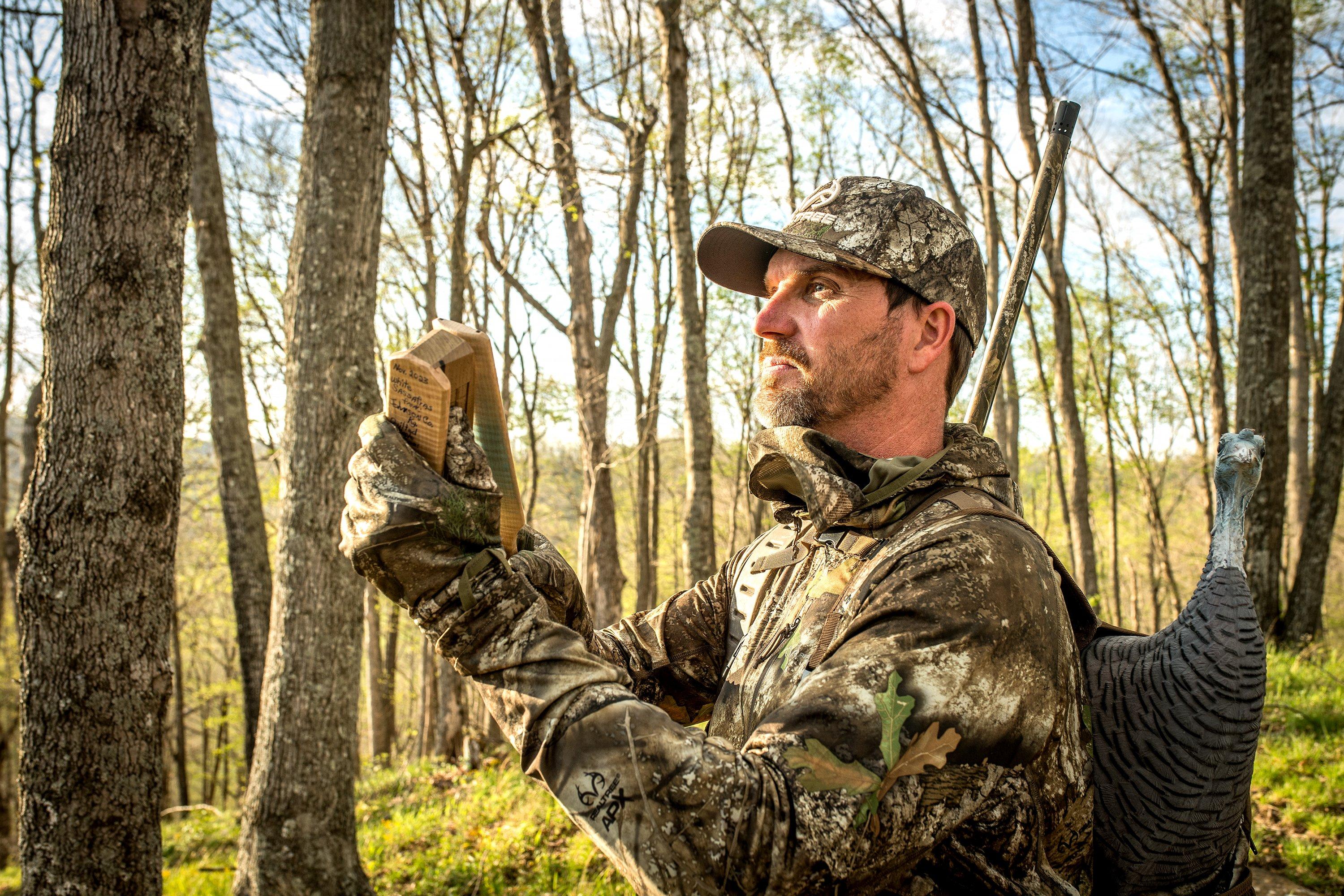
Here’s the Golden Rule of mobile turkey hunting: Never call unless you have a good setup nearby. Otherwise, a close gobbler might catch you out of position. Photo by Bill Konway.
Call it the turkey hunting version of punk rock. At some point during the rapid expansion of turkey populations and hunting, aggressive young hunters abandoned convention and began slipping through the woods, calling a lot and killing turkeys.
Before long, cutting and running became a thing. And it flew in the face of old-time turkey hunters, who advised that you should set up, don’t move, and call sparingly. But the rebellious trend made perfect sense: A mobile approach let hunters cover ground, call a lot and strike hot gobblers. It was way more exciting than sitting and watching decoys, and it worked.
But everything evolves, including turkey hunting. And nowadays, cutting and running has fallen out of favor a bit, especially in light of modern pop-up blinds and ultra-realistic decoys. In fact, many folks question whether the tactic still works.
Don’t Miss: How to Find the Best Turkey Hunting Setups
Yes, it does — to a point. But things are indeed a bit different nowadays. First, turkey numbers in many areas aren’t quite what they were two-plus decades ago, so the risk of bumping a gobbler while walking scares many folks. In the day, mobile hunters who spooked a turkey simply looked elsewhere for another gobbler, and they often found one. That’s not quite as easy nowadays.
Also, many hunters — OK, me — have learned through hard experience that walking and calling isn’t the best approach for many situations. Let’s revisit cutting and running to see when it might net you a turkey and when it might be better to try another tactic.
WHEN TO WALK, WHEN TO SIT
First, walking and calling works best when you’re hunting a large property with enough terrain and foliage to hide your movement. Further, it’s only wise when birds are somewhat vocal. Blundering through 40 acres of open timber while running loud calls is sure to blow turkeys out of the area. Likewise, yelping to quiet gobblers and then spooking them when you top a rise quickly turns your cutt-and-run hunt into a cutt-and-bump affair. So before stretching your legs, assess the situation.
If conditions don’t seem good, forget about walking and calling. Find a good area, set up and cold-call for a bit. It won’t be as exciting, but you won’t bump turkeys, either. Stay for an hour or two. If nothing happens, slip to another spot and repeat the process.
Don’t Miss: How to Hunt Turkeys in Crummy Weather
A SMART APPROACH
If walking and calling seems like a good option, proceed carefully, making sure to avoid the crests of ridges or open areas so you don’t get skylighted. Plan a route — say a half-mile hike along a big oak ridge — and walk slowly and quietly. Pick out likely calling spots every 75 to 100 steps, and stop to call there, making sure there’s a good setup tree nearby. That’s the Golden Rule of walking and calling: Never call unless you have a good tree you can tuck into if a gobbler hammers nearby.
When calling, start with a series of soft stuff, and then listen intently. You don’t have to tear down the woods with ear-splitting cutting and excited yelping. Turkeys can hear soft calling at incredible distances, and honestly, it’s more realistic. Ratchet up the volume and intensity a bit for another series or two, again listening closely after each series. If nothing responds, move on — again being careful to avoid detection. If you encounter a somewhat open area, glass ahead to spot unseen turkeys. When you stumble on good sign, such as an oak flat full of scratching or fresh tracks and strut marks in a road, set up for a bit and call.
This approach isn’t as aggressive as simply marching through the woods and ringing calls. It’s a bit like still-hunting for deer while presenting realistic turkey sounds.
PUTTING IT TOGETHER
When a gobbler responds, the fun really begins. Assess the situation. If he’s 70 steps away, you need to dive into a tree. However, don’t panic. You usually have a bit more time than you think
When a gobbler responds at a reasonable distance — 100 to 200 yards — check him again. If he gobbles again and seems to be closer, set up. If he seems to be stuck in place or fading away, use terrain and cover to cut the distance to him before calling again. When in doubt, avoid getting too aggressive. One step too many is all it takes to blow a sure thing.
If a turkey doesn’t respond to subsequent series or maybe offers one more tepid gobble, he might be with hens and only offered you a shock gobble or courtesy gobble. If that seems likely, back off, and don’t hammer him with calling. Sit tight, listen for a bit, and then see if he’ll answer soft calling or a locator call. Then, you might get a better fix on his location and can make a move.
Don’t Miss: What’s the Best Call to Make While Turkey Hunting?
WALK IT OFF
See if walking and calling might work for you this spring. If so, you’ll find that it’s one of the most enjoyable, interactive ways to chase turkeys. And you won’t have to worry about falling asleep at your setup.