EHD Ravaging Southeastern Ohio Deer
Posted 2025-09-18 by
The current outbreak is setting haunting mortality records, causing the DNR to discuss bag-limit changes

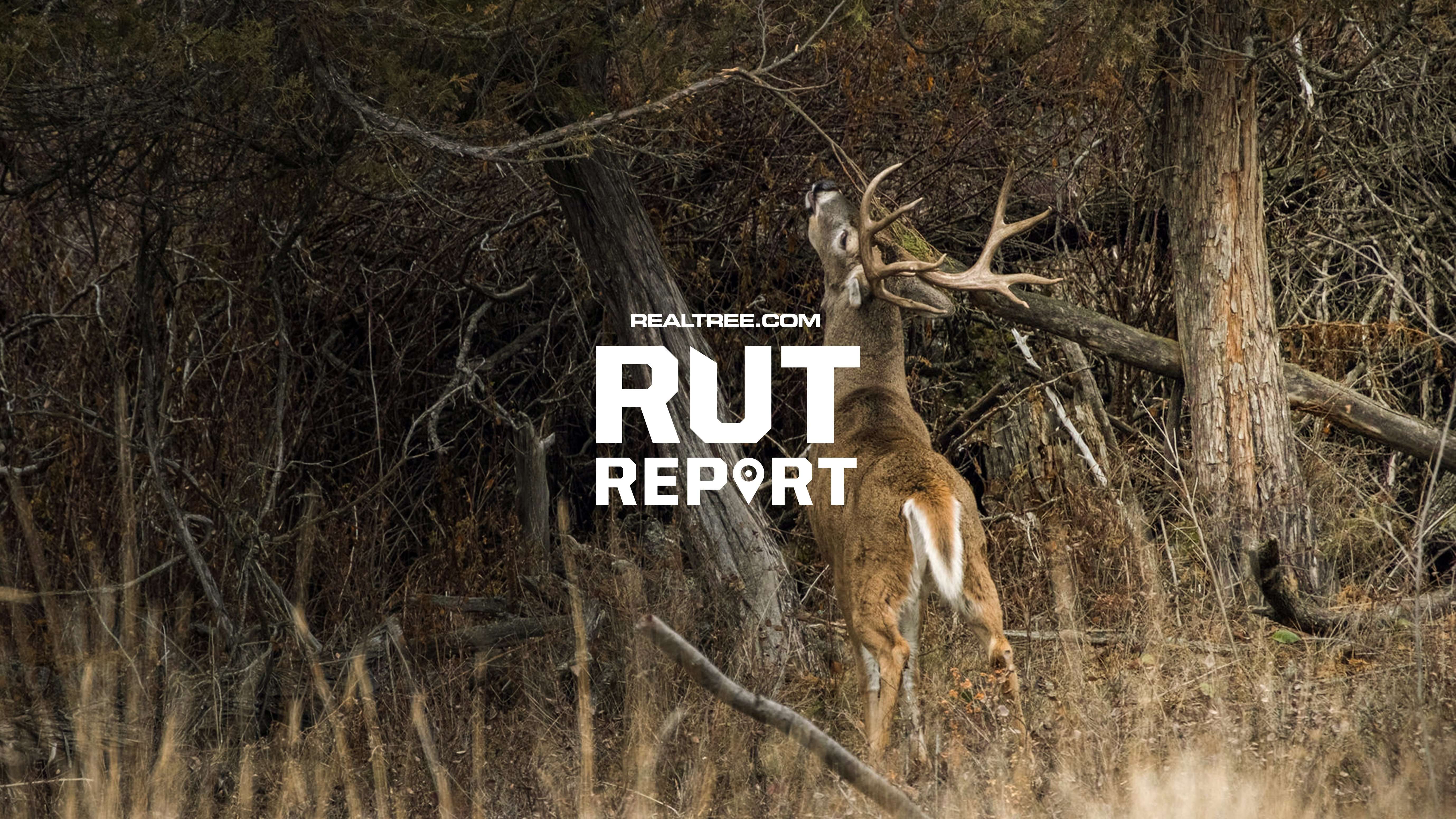
EHD isn’t new to Ohio, but the number of cases coming in is beyond alarming. Image by The Hunting Report.
White-tailed deer are dying by the thousands in southeastern Ohio. The killer? Epizootic hemorrhagic disease. Athens, Meigs and Washington counties are at the epicenter of the outbreak. Morgan, Monroe and Noble counties have seen a substantial impact, too. At least 22 Buckeye State counties have reported EHD cases this year. Even a domestic cow was found dead from the disease in Meigs County.
This isn’t the first time Ohio deer have been stricken by EHD. They were hit significantly in 2022, almost negligibly in 2023, and significantly again in 2024, when 2,093 dead deer were reported to the Ohio DNR. Although the 2024 mortality was substantial, it pales compared to the record-setting 7,486 cases reported as of Sept. 15 this year. And that number is expected to continue multiplying for the foreseeable future. The only thing that can halt the disease is frost, and the region’s 10-day forecast calls for temperatures in the 80s and 70s.
DON’T MISS: Wild Hog Breaks into Florida Home, Attacks Dog
Most deer hunters are familiar with EHD, which is a viral disease that affects cattle, deer and sheep, per the University of Tennessee. The Southeast Cooperative Wildlife Disease Study said it also affects elk, bighorn sheep and pronghorns. It has been detected in more than 40 states and Canada.
Unlike chronic wasting disease, EHD isn’t contagious from animal to animal. Afflicted deer contract the disease through biting midges (small flies). The Cornell Wildlife Health Lab said, “Transmission occurs when a female Culicoides midge picks up the virus from the blood of an infected host and then transmits it by biting another host.” Again, until frost kills the biting midges, the disease will continue to affect deer.
DON’T MISS: 5 Things to Consider When Shopping for New Whitetail Binos
A special emergency meeting to discuss the outbreak and potential response plans was held at the Ohio DNR Division of Wildlife’s District 4 office on Sept. 17. A proposal was made to reduce the deer bag limit from three to two in Athens, Meigs and Washington counties. If passed, the new regulation would become effective Dec. 1. A District 4 office employee declined to provide any highlights from the meeting, but confirmed the proposal was made and that a subsequent meeting will be held for voting. To review the proposal or submit a public comment, click here.
To stay current on Ohio’s EHD happenings, visit the DNR’s Interactive EHD Map. It details counties affected, the severity of the outbreak in each county, and the statewide reported mortality, which is updated every few days.
Check Out Our Latest Camo Pattern: Realtree APX
Meanwhile, hunters continue to pray for freezing temperatures, as that’s the only way to shut down this devastating disease.
?fmt=auto&qlt=default&fmt.webp.qlt=65&fmt.png.qlt=73&fmt.jp2.qlt=35&fmt.jpeg.qlt=60)