10 Great Little Spots to Arrow Giant Bucks
Posted 2026-09-29 by
These quick-strike setups aren’t always obvious, but recognizing them can pay dividends for getting bucks into bow range
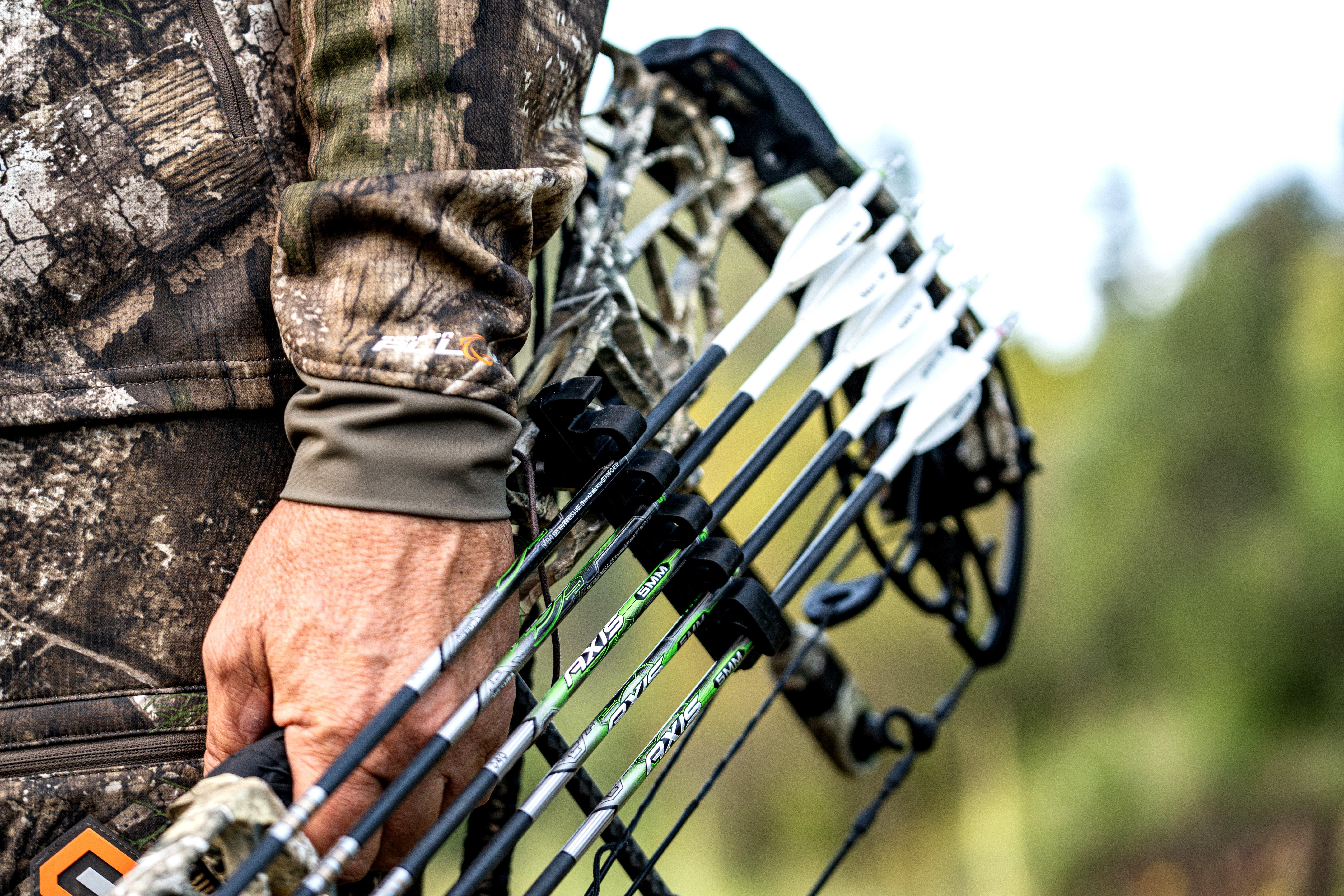
Sometimes tagging a good buck requires adjusting your setup to an unexpected spot. (Image by Realtree)
One October afternoon I scouted and glassed 50 acres of cut alfalfa that bordered the Milk River in northeastern Montana. I located four whitetail bucks, two of which would push 140 inches, about as good as the racks get out there. I hunted hard for a week from four lock-on stands we’d scattered in timber pockets and points along the serpentine river. I saw a lot of deer, but none of the shooter bucks. It was time to change it up.
On the eighth morning the wind shifted and blew out of the northwest. I snuck into the south end of a timber patch and set up 20 yards from a deep, dry irrigation ditch that coursed through the brush and down to the river. I didn’t hang a tree stand, or bother with the time and noise it would take to build a brush blind. I stood behind a big cottonwood tree, hung my bow on a branch and waited.
An hour after the sunup I caught a glint of antler north of the ditch. Two bucks were coming, neither of which I had seen before. The 10-point in the back was a stud, but the 8 leading the way was no slouch, Pope and Young for sure. Both deer stepped into the deep ditch and disappeared. I grabbed my bow, inched a step to left to clear the tree and drew. The 8-point stepped up and out of the ditch and went broadside. My arrow hit with a resounding “thwack,” and he ran 60 yards and crashed.
Why didn’t I wait for the 10-point? I figured a P&Y in hand was better than a bigger buck that might get away in the bush, especially since I was hunting on the ground and eye level with the deer. You’ve got to use your gut instincts, man.
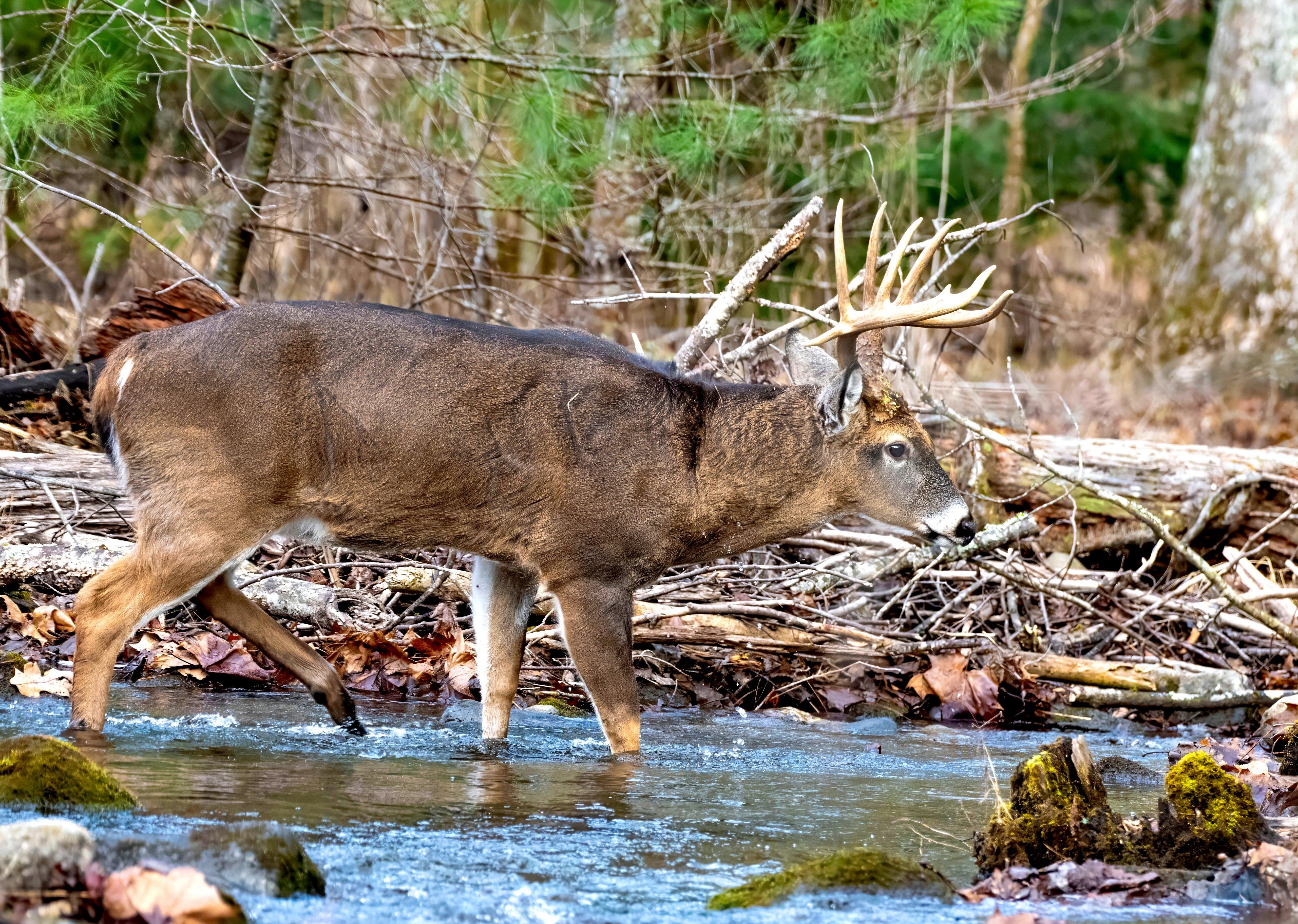
Look for easy water crossings with a lot of deer sign, and set up a stand or ground blind near that shallow water. (Image by Christopher J. Barger)
The more I hunt for mature whitetails across the country, the more I realize how important it is to gain the element of surprise when you can. Sometimes your best tree stands go cold. Sometimes bucks get used to them and skirt setups by 50 to 100 yards. When that happens it’s time to move and surprise big deer in little spots where they don’t expect you to be. The ditch set I just told you about is one of my favorite ambush spots. Here are 9 others.
Don’t Miss: Should You Ditch the Peep Sight on Your Bow?
WATER CROSSING
If your hunting area is conducive to it, pack a climbing stand on your back and hike a mile or so along a creek or river in search of a shallow, narrow, gently sloping crossing pocked with a mother lode of tracks and at least one set of huge buck prints. Non-pressured deer on natural movement will neither jump into deep water and swim, nor will they leap from one high bank to the other. Like you, the animals stroll the banks of a waterway until they find a nice, easy spot to walk across.
Check maps and scout for feeding and bedding sites near such a water crossing. A river or creek ford 100 to 200 yards from crops or a bedding swamp is a hot spot. Set up a stand or ground blind near the shallow water where the predominant wind is right, and watch for a buck walking the bank and then turning and wading the water.
RIVER SQUEEZE
One day a few years ago, I hung a tree stand hard on a river, so close to the bank that when I climbed 17 feet up and looked down and back, all I could see was water. The wind was just right that afternoon, blowing my scent over the river where no deer would approach.
Don’t Miss: Is EHD Killing Deer Where You Hunt?
About 50 yards out front of the stand was long briar patch that paralleled the river. An hour before dark, I looked up and saw a buck coming. He strolled through the sliver of flat, open woods between the river and the thicket like he was walking down Fifth and Main. He was 18 steps off the river and 14 yards from my stand when I smoked him.
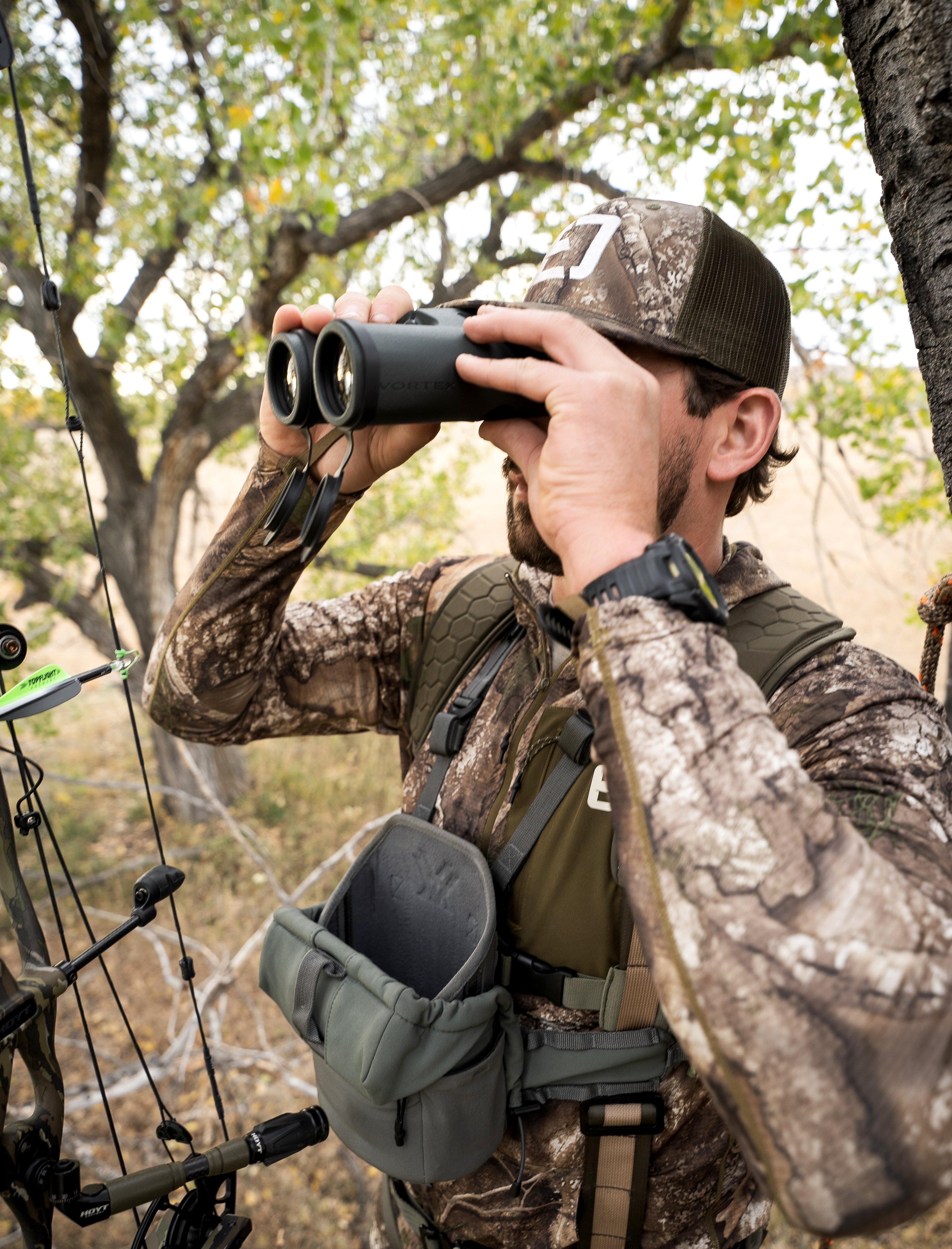
Hang stands near small satellite cover areas where bucks routinely stop to stage and browse in the late afternoon. (Image by Realtree)
It was one of those great squeezes to look for: a flat, narrow sliver of ground between two terrains or covers that will funnel a buck close to your post. Whenever you can, hang your stand hard on a river or stream, and let your scent drift harmlessly out over the water. The gentle sounds of an eddying river will also cover any little noise you might make on the way in.
FENCE DROP
A light bulb ought to pop on in your brain if you find an old, rusty wire fence that runs 50 yards or so back in the woods along a crop field. Walk the fence until you find a spot where the wires and/or a couple of rotten posts have fallen to the ground. An opening of 20 to 30 yards wide is best. It’s narrow enough to funnel deer, but wide enough so that a buck doesn’t feel too confined. He should take his time walking through rather than skittering by too fast.
Scout around, and you might see a deer trail paralleling the fence for some distance, and then crossing it at a low point. Hang a stand in a tree on either side of the walk-through where the wind and visibility are best. If cover allows it, you might also build a small brush blind nearby.
FENCE CORNER
The corner of a fence near an ag field is good, too. The perfect scenario is for a fence to run with the area’s predominant wind, say west to east, like the wind blows in many parts of America during hunting season. Some bucks will walk the “open side” of the fence into the feed with their noses in the wind; they won’t walk on the fence’s “closed side” because the corner would block them. Tuck a stand into the open corner where the fence turns either north or south. Your scent should blow harmlessly away from where the deer walk, so you won’t get busted.
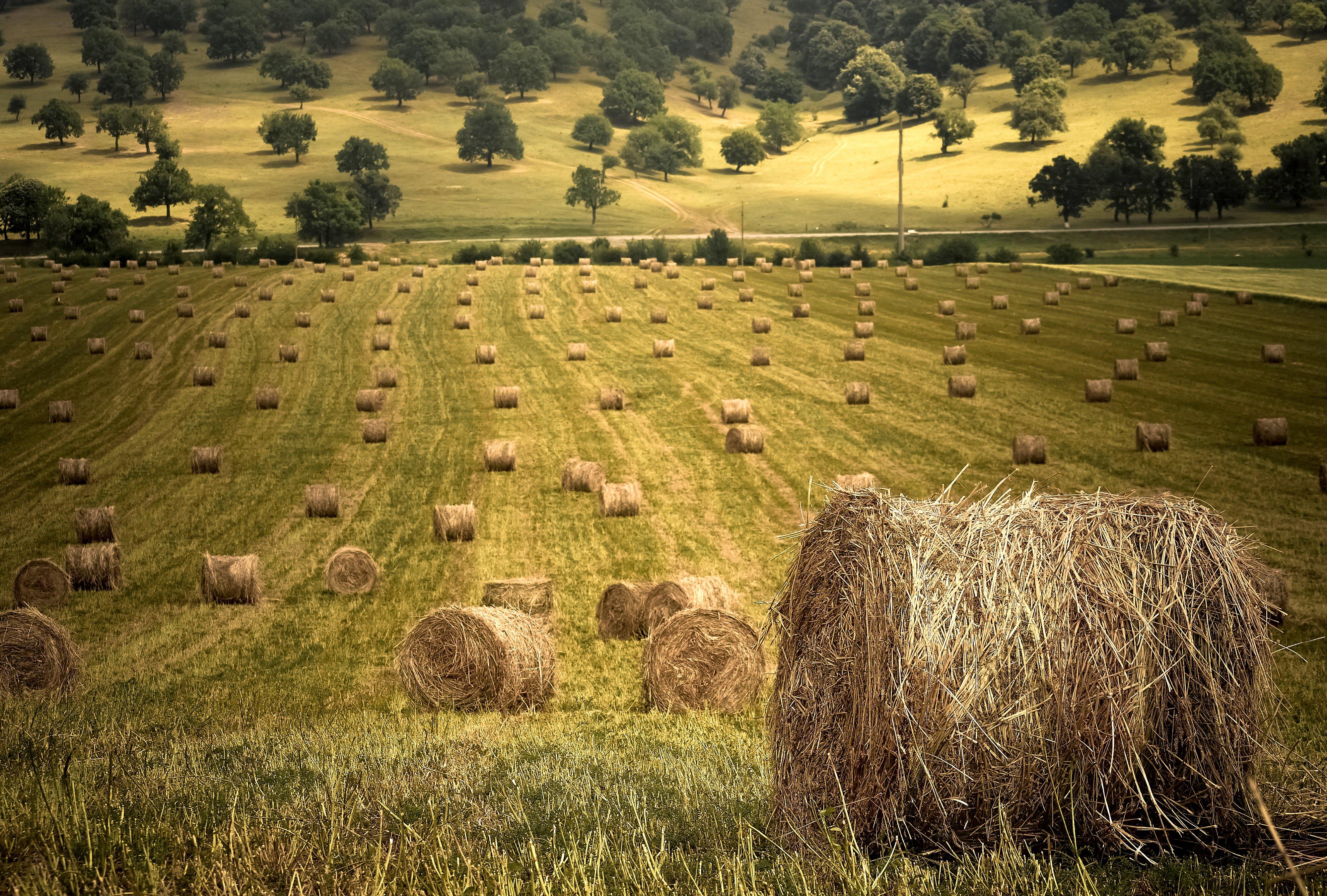
A bale row can provide a great place to hide when sneaking to a stand positioned at one end of the field. (Image by Burcea Marius)
HAY BALE TURN
One afternoon I sat on a bluff and glassed a field of alfalfa below. Along one edge of the timber a rancher had stacked big, round bales from an earlier summer cutting. The row of bales was at least 75 yards long. At dusk deer started pouring into the field. Does and bucks moved out of the woods, funneled around either end of the bales and started munching greenery.
The next day I sneaked to the field, tested the wind, and hung a stand just off the eastern edge of the bales. The trail that cut through there looked like a cow path. That evening the eighth deer to come out of the woods to the north and bend around the bales in front of me was a 140-incher, and I whacked him. A great thing about a bale row is that you can hide behind it on the field side when sneaking to a stand you position on one end. Depending on where a line of bales is situated in a field, it might offer a good ground hunting opportunity.
TIMBER BREAK
Here’s a universal set you’ll find in almost any woods in the country. Look for a natural edge where pines meet oaks, where mature hardwoods bump up against thinned trees, where windrows of cedars meet hickories and beech woods … you get the picture. Bucks love to prowl such a “break line,” where they lay down many rubs and scrapes. Find a spot where the buck sign is heavy and fresh, and where the wind is right; hang a tree stand or build a small brush blind there.
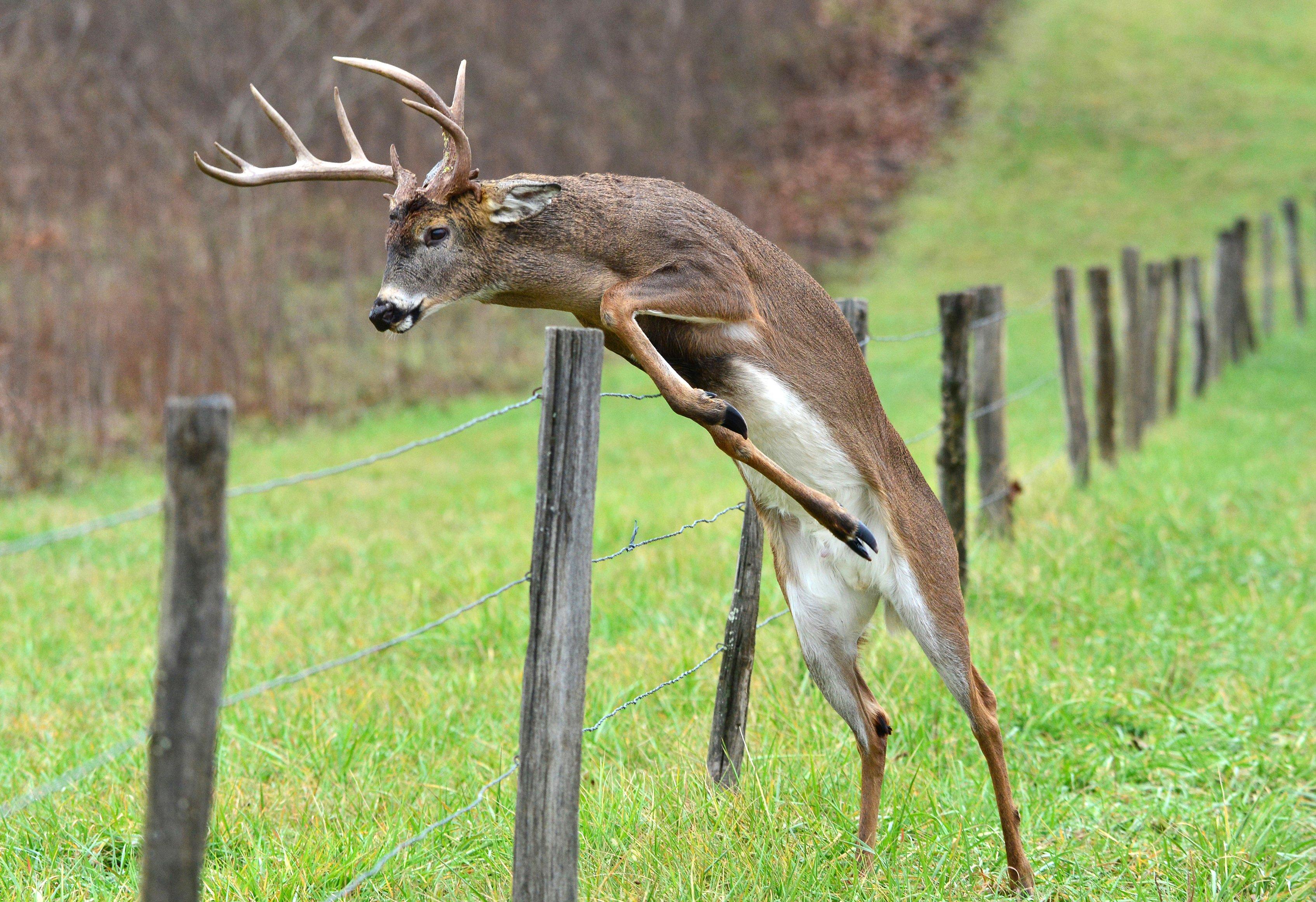
Scout fence lines for an area that deer might cross and hang a stand on either side where the wind and visibility are the best. (Image by Paul Winterman)
FIRST POINT OF COVER
Here’s one of my favorite afternoon sets. Scout in a long, linear perimeter pattern 50 to 125 yards back in the woods that rim a crop field or green plot. Find two or three of what I call “first points of cover” (2- to 3-acre tangles of honeysuckle, briars, or other thick brush) off the feed field, and hang tree stands near them. These small covers generally are not major bedding areas, though you might well catch a few deer loafing there. Rather, they are satellite covers where bucks routinely stop to stage and browse in late afternoon before heading out into a field to eat or hassle does at dusk. If you locate and hang stands in two or three points of cover around a field, you should have at least one set you can hunt most days regardless of wind direction.
FIRST CLEARING
Similarly, here’s a great morning strategy, especially for the rut. While you’re scouting for the first points of cover as described above, look for the first small, grassy openings in the border timber too. These might be strips of abandoned logging roads or lanes, grassy log landings, old home sites, etc. I’ve found that during the rut especially, bucks move off fields at first light, gather in these little timber openings and push and hassle does like mad till midmorning. They’re great spots for a stand or two.
Don’t Miss: It’s Opening Week and Your Buck Has Vanished: What’s Next?
One November I hunted such a stand on the edge of a weedy log road 80 yards off a bean field. At sunrise I glassed toward the field and saw 10 deer coming my way. Five bucks got to me 10 minutes later, and started to spar and chase does round and round my stand for 20 minutes, grunting like market hogs. Finally, I was able to draw my bow and smoke one of the 10-points.
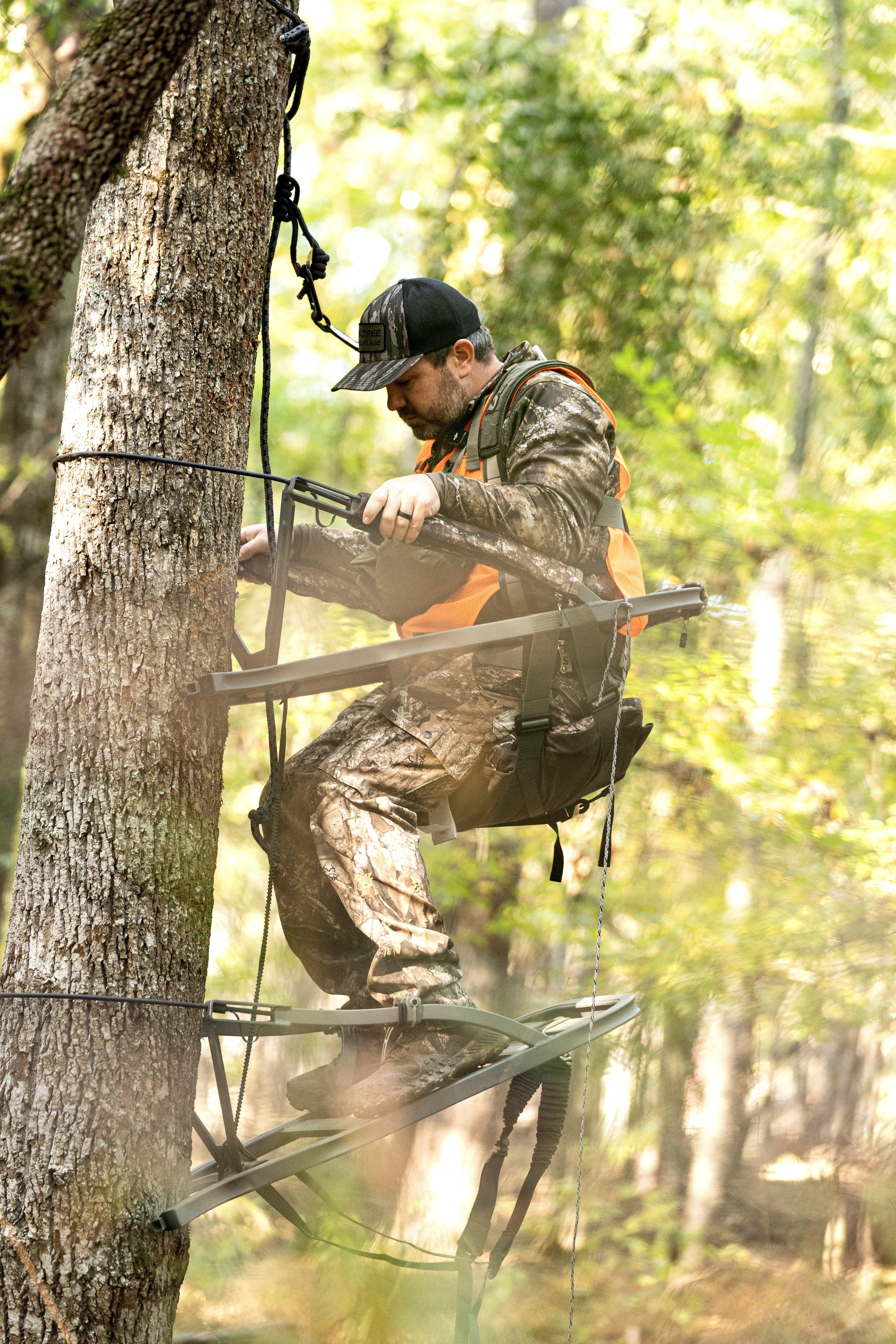
Set up your stand 120 yards downwind of a “hub” near thick cover where you can see well in all directions, paying close attention to spots where ridges and bottoms converge. (Image by Realtree)
THE BUCK HUB
Anytime you can plan a quick ambush where two or three finger ridges converge and peter out into a creek bottom or swamp, do it. If corn or beans and bedding cover are anywhere close, that spot will be a dumping ground that whitetails use all season. Since deer are apt to come from three or four different directions in this type environment, walking trails on the ridges and in the bottom, it’s tough to predict the best winds and trees for stands. Here’s what I do. When bow season opens, I set and hunt a perch 120 yards or so downwind of a “hub.” I post where I can see well in all directions. If a fat 8-point saunters by one afternoon, I thank the deer gods and shoot him. But the goal is to observe the ridges and bottoms, and especially spots where those terrains converge.
Once you watch for a few days and get an idea of how, when and where the most deer travel through the area and merge at the hub, you move in tighter with a stand or saddle for an ambush. Remember to set up near thick cover whenever you can because that is where a big deer is most apt to walk.