2026 Southeast Deer Season Forecast
Posted 2026-08-12 by
The South has lots of public land, plenty of deer, and reasonable tag prices. Here’s a look at what to expect this season
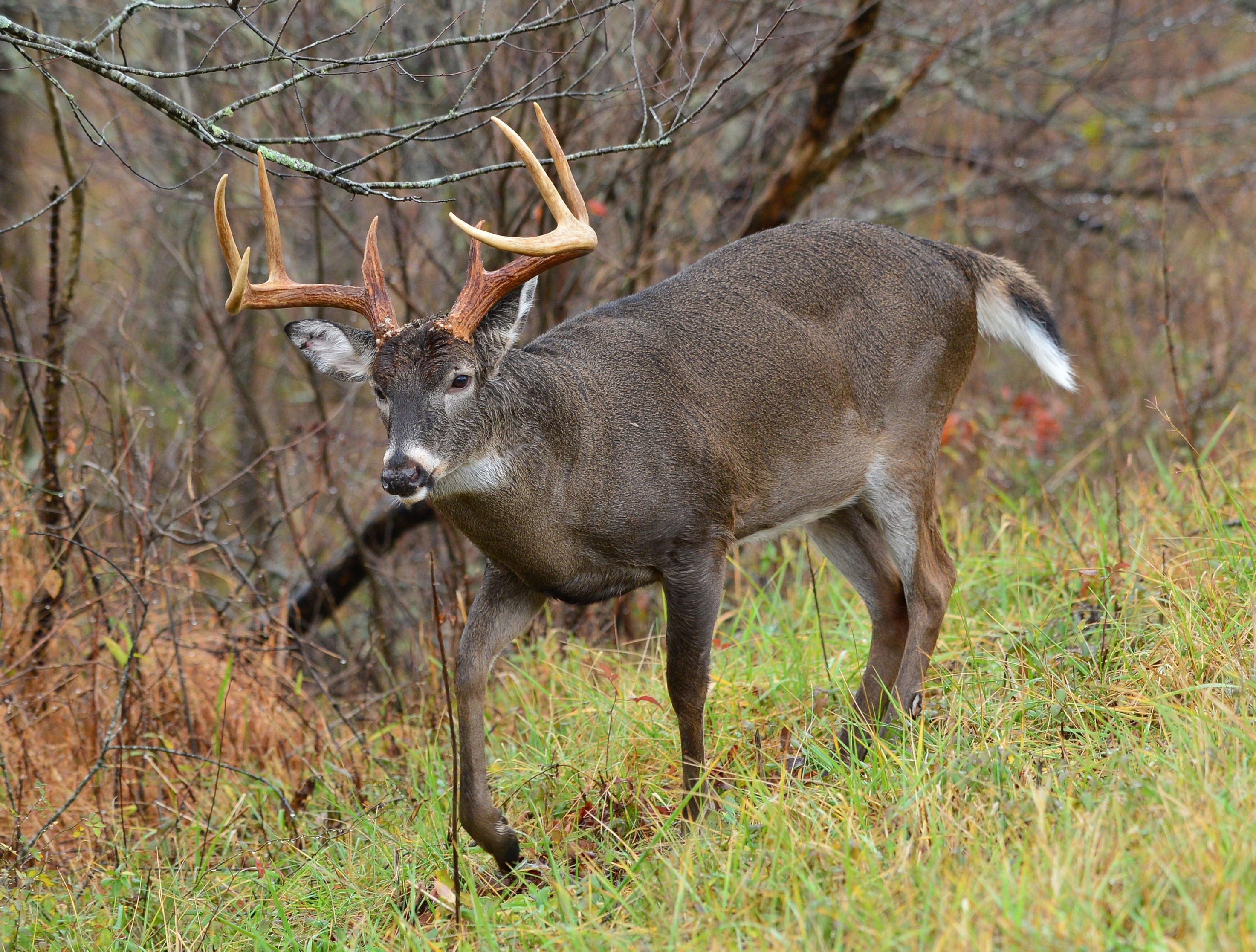
Some southern states lead the nation in mature-buck harvest. Image by Paul Winterman
Our nation is filled with outstanding deer hunting, but some of the more unique opportunities occur in the Southeast. Some areas have landscapes that mirror the Midwest and produce bucks of the caliber you’d expect to see in Ohio or Wisconsin. In other areas, you might encounter everything from mountainsides to coastline, all within a few hours’ drive. Southern hunters take their whitetails seriously. Several states consistently boast the oldest age-class bucks in the nation in their annual harvest.
Mild weather largely safeguards southeastern deer against winter stress and mortality. There can be EHD bouts, and many southern states are now CWD-positive, but the word on the street is that the South is in its heyday for both opportunity and trophy potential, thanks to sound management practices throughout the region. Before you embark on a southern deer hunt this fall, check out the latest breakdown of each Southeastern state in Antler Nation.
Don’t Miss: Is the South the Country’s New Big-Buck Belt?
Alabama
Bucks 3 1/2 years old or older consistently represent roughly 60 percent of Alabama's annual buck harvest. Speaking of bucks, Alabama has different rut dates based on its different regions, some beginning in mid-November and some stretching out as far as early February. If more than three months of rut action isn’t music to your ears, maybe the 775,000 acres in the WMA system are. Yes, Alabama provides ample opportunities for DIYers. The renowned Black Belt region produces trophy bucks year after year, but its notoriety also attracts plenty of hunters, so don’t be afraid to try elsewhere.
Arkansas
Think you have to hunt Iowa, Illinois, Ohio, or Kentucky to have a chance at a Booner? Think again. William L. Loyd got his in Arkansas in 2018, a 202 3/8-inch typical (net), which is 11th in the all-time typical whitetail category. This wasn’t a one-off; Arkansas has numerous bucks in the Boone and Crockett book. Careful management, including antler restrictions, is likely why more than 60 percent of Arkansas bucks harvested by hunters are 3 1/2 years old or older. Ralph Meeker, the Arkansas deer program coordinator, said that hunters can find just about anything they’re looking for on the 6.5 million acres of public access within the Natural State, from mature bucks and attractive buck-to-doe ratios to maximum harvest opportunity.
Florida
If you’re looking for a buck over 170 inches, this is the worst state to attempt it. Sunshine State bucks rarely reach record status, and the Boone and Crockett book proves it, with only two historic entries and no new ones since 1959. But there are plenty of deer, and 3 1/2-year-old-and-older bucks account for approximately 40 percent of the annual buck harvest. This means that there is decent potential to break the 125-inch Pope and Young threshold, although many mature bucks struggle to meet that mark based on the genetics. The best way to sum up Florida’s deer hunting is that it is an opportunity state with 750,000 whitetails, millions of public-land acres, and rut dates that vary from July to February. Yep, you read that correctly.
Don’t Miss: The Best Days to Deer Hunt in 2026
Georgia
More than 1 million deer roam the Peach State. And unlike neighboring Florida, Georgia has a significant number of Boone and Crockett book entries. DIY hunters are likely to find a suitable mix of positive deer numbers and solid buck potential on WMAs in the Piedmont region. Southwest Georgia and the Flint River Basin are other worthwhile regions to consider if a trophy buck is what you’re after. A long season, liberal bag limits and affordable tags are attractive points.
Kentucky
The Bluegrass State is a massive contributor to Realtree’s Rack Report. While there isn’t a 170-incher behind every tree, nobody is surprised when any Kentucky county produces a mega-buck. Bowhunters typically have a chance of encountering velvet bucks on opening day, but heat and bugs can make the hunting tough at times. Depending on where you hunt, you’ll face anything from flat ground to rolling hills to mountains. Riparian and agricultural areas are hunter favorites, but sprawling forests in the eastern mountains provide room to roam. The Ohio River and Green River areas regularly produce top-shelf bucks. Some EHD mortality impacted Kentucky’s whitetails in 2025, but there should still be plenty of deer in most of the state this fall.
Louisiana
Besides a healthy deer herd and outstanding trophy potential, Louisiana’s late rut dates in some regions make it an attractive destination for traveling deer hunters who don't want to miss their November ruts at home. Check out this rut map for detailed Louisiana rut dates by region. Louisiana is in the top three for states with the highest percentage of mature bucks in the harvest, proving that hunters tend to be selective, improving the age structure. Realtree’s Tyler Jordan has plucked 190 4/8- and 203-inch bucks from the Bayou State in 2020 and 2024, respectively. Concordia, Avoyelles, and West Feliciana parishes are the top trophy producers, per the Boone and Crockett records.
Mississippi
While herd numbers have declined in some states across the whitetail’s range, that isn’t the case at all in the Magnolia State. William McKinley, Mississippi’s deer program coordinator, recently said that the deer population is “at or near an all-time high.” Like other adjacent states, the rut is later than in the Midwest, beginning in early December in some regions and trickling down as late as early February in others. And get this: Approximately 80 percent of Mississippi’s annual bucks harvested are 3 1/2 years old or older, meaning the age structure is among the best in the nation. About 2 million acres are open to public hunting, with approximately 700,000 of those being in the WMA system.
North Carolina
The Tar Heel State isn’t the Southeast’s most consistent Boone and Crockett producer, with just 45 entries in the book. Still, bowhunters seeking a 125-inch-or-better buck stand a solid chance. The northern portion of the Piedmont area tends to produce big bucks with the most consistency. The state is estimated to have well over 1 million whitetails, meaning there are plenty of opportunities to fill your freezer as well. From the coast to urban settings to the mountains, and with open game lands scattered across the state, North Carolina hunters can find a hunt that suits their flavor.
South Carolina
Adjacent South Carolina is one of the few places in the country where you can hunt velvet bucks with a rifle. A small number of monster bucks are annually taken from the Palmetto State, but the occasional stud like Madison Shealy’s 2025 buck isn’t out of the ordinary. The state has only 14 bucks in the Boone and Crockett book, but it’s reasonable to think that things can improve to some extent. Historically, most of South Carolina had very liberal limits on antlered deer, but that’s become more restrictive in recent years. Still, about 140 days of firearms hunting in certain regions of the state make it tough for bucks to grow old, which is a leading reason why South Carolina remains at a grade C in 2026.
Tennessee
Bucks as large as 315 1/8 inches have been taken in the Volunteer State, but it has only 87 total entries in the Boone and Crockett book, compared to neighboring Kentucky’s 1,200-plus entries. Still, like South Carolina, Tennessee hunters traditionally had multiple buck tags to fill each season (as high as 11 per year at one time). It’s been under a two-buck limit for years now, which still limits age structure to a degree, especially when paired with long firearms seasons. But the habitat is quite similar to Kentucky, and Tennessee hunters have been quietly killing bigger deer for several years now. Nonresident tags are priced right, and there are a lot of deer to hunt. A special early season (August 28-30 this year) gives hunters a great chance at a velvet buck, too.
Virginia
There aren't many sleeper states anymore, but the Old Dominion likely is. Success rates are generally around 60 percent. Big bucks come from all corners of the state, but Bedford County leads the pack in Boone and Crockett entries. Some urban bowhunting opportunities are available, which can increase the odds of encountering a slammer buck, though gaining access can be challenging. From the Coastal Plains to the Blue Ridge Mountains, Virginia hunters enjoy diverse landscapes and approximately 2 million acres of huntable public access. Excellent deer numbers and reasonably priced tags are pluses for nonresidents heading to Virginia this fall.
Don’t Miss: The 2026 Midwest Deer Season Forecast