Sneaking Around | Advanced Still-Hunting Tactics for Whitetails
Posted 2026-07-21 by
Staying in your stand is usually the best play, but under certain conditions, nothing compares to deer hunting from the ground
One time, I killed a buck during a hurricane with my bow.
The actual circumstances weren’t quite as dramatic as they sound, but I make a living telling hunting stories, and that story is true. Technically. Hurricane Ike had made landfall in early September 2008, and the winds were still gusting to 50-plus mph by the time the storm reached western Kentucky, where I’m from, a few days later.
Normally, I’d skip hunting on a day like that, but I was living out of state at the time and had limited vacation days to travel home and hunt. Skipping an evening didn’t seem like an option. The wind was raging but it was consistent, and so rather than risk climbing into a tree, I decided to still-hunt my way through a 20-acre woodlot that was surrounded by a massive recently cut cornfield. The woodlot was pancake flat and full of mature hickories and oaks, so you could just about see from one end of it to the other, save for a few little river cane thickets that grew along a winding ditch. Deer bedded in the woodlot all of the time, but it was a tough spot to hunt without being busted.
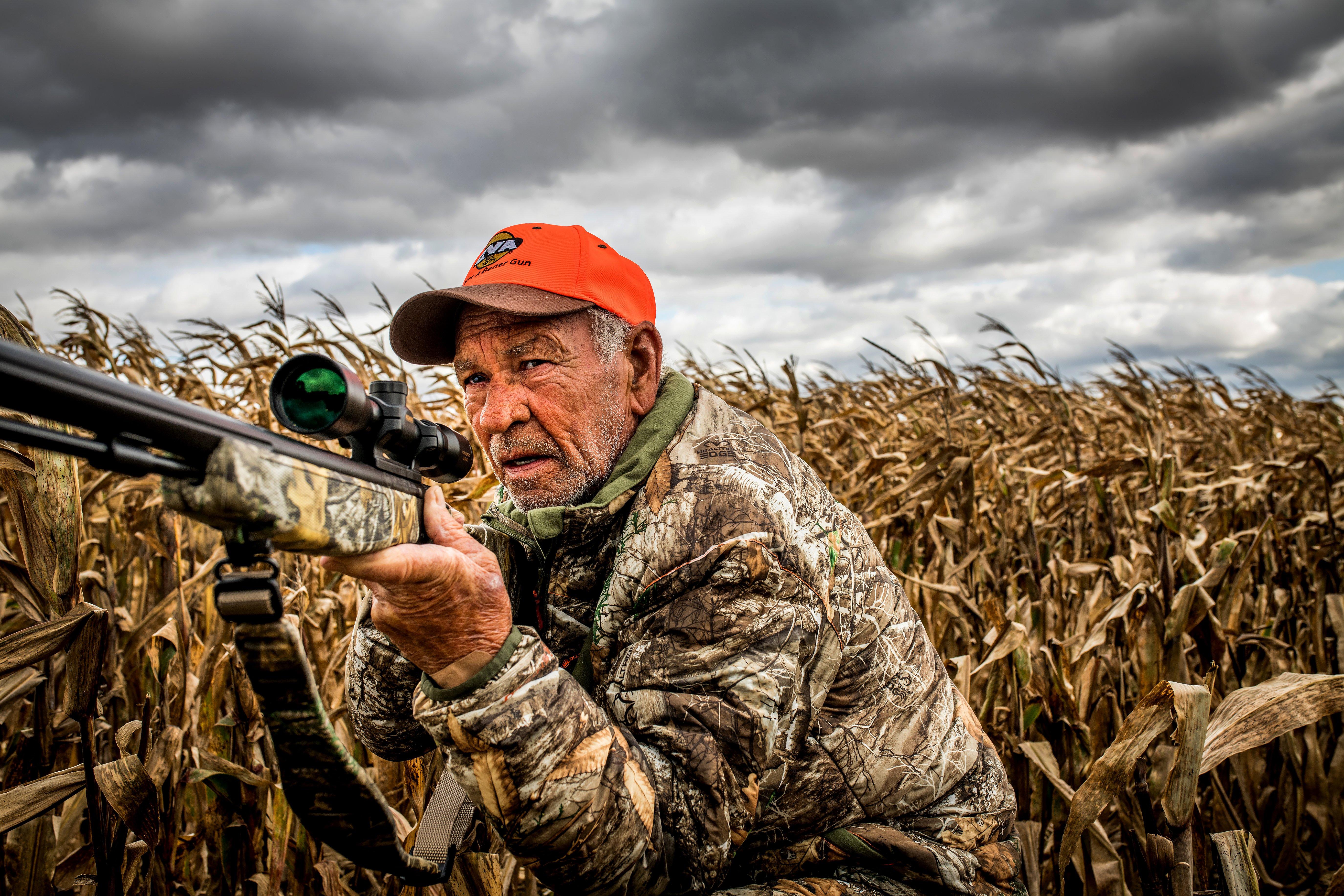
An incoming cold front often creates rainy, breezy weather with a steady wind direction. It’s an ideal time to deer hunt from the ground. Image by Bill Konway.
But that evening, I stepped into the trees with the gale-force winds in my face, and I didn’t sneak more than 10 steps before seeing the first deer, maybe 60 yards ahead. I didn’t own decent binoculars in those days — couldn’t afford them — but I had good eyesight, and could tell I was looking at a respectable buck. The wind continued howling, bending trees and limbs, and drowning out every other sound in the woods.
Don’t Miss: 9 Essential Tools for Bowhunters
The buck browsed a bit but mostly just stood and watched, as if trying to figure out how to react to an approaching tropical storm hundreds of miles inland. He began walking ahead, toward a thicket of river cane, and I began forming a plan. The other side of the cane thicket was wide open, with just hickory and oak trunks, and I knew the buck couldn’t see me as long as he was behind that cane. I also knew he couldn’t hear me in that wind. He walked ahead and disappeared from sight, and I went for broke, hustling through the leaves as quickly and quietly as I could, and then dropping to my knees next to the cane thicket, catching my breath as I nocked an arrow.
At first, there was nothing but wind. I waited and watched, and I thought maybe the buck had turned a different direction. But then he rounded the cane thicket, just 30 yards away and in full view — and absolutely oblivious to me. I waited until he looked away, and then I easily drew my bow, took careful aim, and hit him through the heart with a three-blade Muzzy. He scrambled a few steps, stopped and fell over dead. I’ve killed some much bigger bucks since that one, but none that were any more fun to hunt.
I still believe that hunting whitetails from a stationary stand of some sort — treestand, box blind, ground blind — is usually the best way to fill your tags. But not always. These conditions certainly help stack the odds in the still-hunter’s favor.
INCLEMENT WEATHER
You don’t have to have a hurricane to slip into bow range of a buck, but foul weather seems to help. My favorite time to still-hunt, especially with a gun in hand, is on a rainy, breezy evening as a major cold front is moving in. It seems like those conditions occur most often in late October and early November, just as the pre-rut is getting good. Deer often move well during a slow, cold drizzle, and they frequently gravitate to open areas, where it’s easy to see them. Meanwhile, it becomes easier to slip through the woods on a damp understory, and the rain and wind help mask your movements. Brisk cold-front winds tend to be steady, too, and that’s a virtual requirement for deer hunting from the ground. I like to slip through creek drainages and along field edges in the rain, just inside the timberline, spending far more time standing and watching than walking.
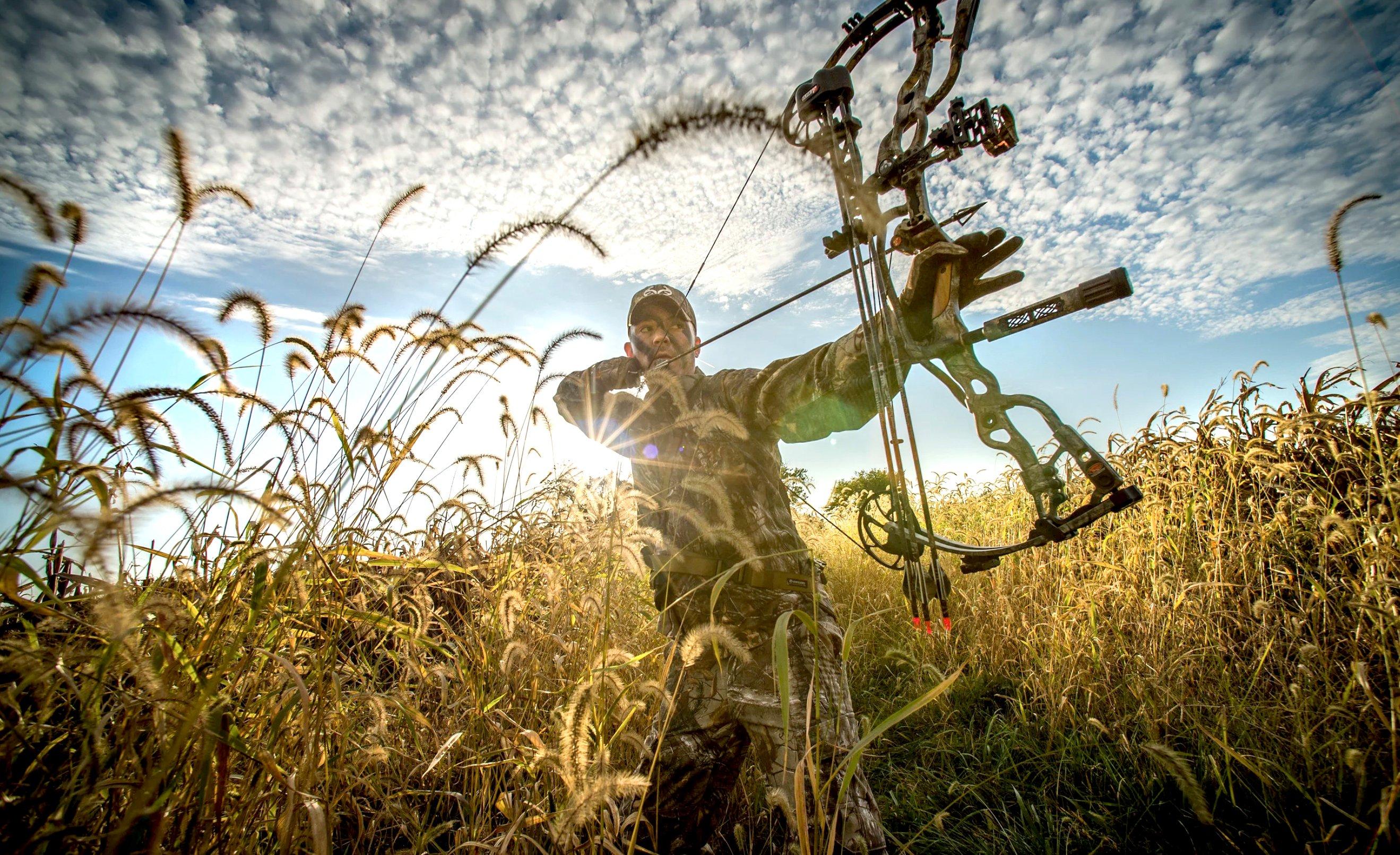
Under the right circumstances, spot-and-stalk tactics can work as well for whitetails as they do for mule deer and antelope. Image by Bill Konway.
OPEN COUNTRY
Some of the country’s best whitetail hunting can be found in places with very few trees. In the Great Plains and throughout pockets of the West, whitetail hunters can be plenty successful by combining glassing and spot-and-stalk tactics with quick ambushes from the ground. Sometimes kneeling behind a grown-up fencerow and waiting for a buck to walk past is the fastest, least-obtrusive way to get within bow range, but it’ll never work if you don’t have the confidence to try it. If you’re hunting with a rifle, staying on the move with good optics allows you to cover more ground and see more country. It’s the go-to tactic for hunting mule deer and antelope, and in certain places, it’s just as effective for whitetails.
Don’t Miss: 20 Random Thoughts from 50 Years of Deer Hunting
LOCKDOWN
A mature buck is never more distracted than during the 36 hours when he’s locked down and breeding with a receptive doe. Meanwhile, hunting from a stand can be notoriously tough during the lockdown phase of the rut because breeding deer don’t move very far or very often. But I’ve killed a couple of my best bucks right around Thanksgiving by staying on the move and catching them bedded with does in isolated pockets of cover.
Although there’s a good bit of luck involved with that strategy, learning to identify the type of cover where bucks generally lock down with does is helpful. It’s been my experience that breeding pairs will use these same covers year after year. Often, the little love nests are hiding in plain sight: think dozer piles in fields, grown up fencerows, abandoned homesteads, and tiny woodlots. There is a cedar thicket that’s maybe 2 acres sitting in the wide-open prairie grass on a property I often hunt in Texas. We see bucks holed up with does there almost every season, and I managed to shoot a pretty nice 9-pointer there, locked down tight with a doe at 11 a.m., a couple of years ago.
GROUND-HUNTING TIPS
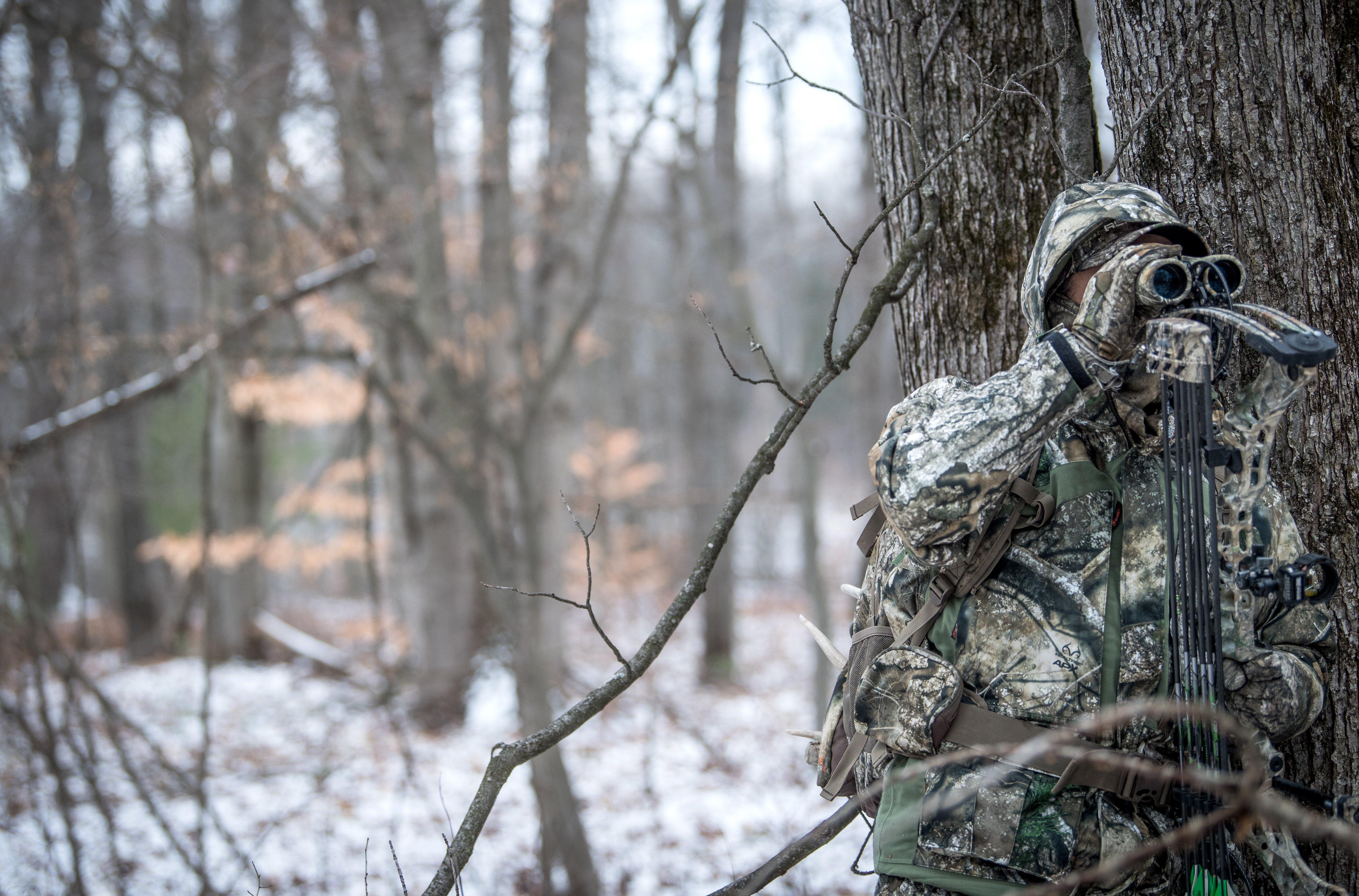
Snowy weather during the lock-down phase of the rut creates a prime opportunity for leaving your stand and doing some sneaking around. Image by Bill Konway.
Seize Upon the Best Conditions: Inclement weather can make it easier to sneak up on whitetails. Inclement weather when bucks are locked down with does is even better — and if you can get those conditions in open country, you’ve scored the stalker’s trifecta (just don’t call it that in front of mixed company). But walking around with the wind at your back does far more harm than good. Recognize that there are some days when still-hunting works exceptionally well, but during most, it’s still best to stay in your stand.
Know When to Wait: Virtually every big buck encounter I’ve had while still-hunting began with a run-of-the-mill doe sighting. I’ll see a doe, stop and wait, and then bingo, Big Chungus steps out of the timber. As you slip along, watching and glassing for deer, have the good sense to stop and wait when you do actually see one. Don’t get in a hurry or write it off as “just a doe.” Instead, ease into a good shooting position and give things time to unfold.
Don’t Miss: Why You Should Sight in Your Deer Rifle This Summer
Know When to Move: Sometimes when a buck does step out, a quick, aggressive movement is the only way to get your shot (moving on that buck in the story above, when he stepped behind the cane thicket, is a good example). If the deer you’re after isn’t moving closer, but you have a good wind and concealing cover, have the confidence to make the move, and then do it decisively.
Get Low to Shoot: Almost every deer I’ve arrowed from the ground without a blind has been from my knees. It creates a solid shooting stance while also lowering your profile. Rifle shots, too, are usually taken from a low position. Shooting while sitting, off your knee, works for a gun rest, but being on your knees and then resting your gun against a tree or across shooting sticks is better.
Bring the Calls: I love to rattle and grunt during the rut, and I enjoy it even more when hunting from the ground. Deer calling works, and there’s really no better time to try it than when every new sequence falls on a potentially new set of ears.
Don’t Miss: How Much Do You Know About Whitetail Fawns?