20 Random Thoughts From 50 Years of Deer Hunting
Posted 2026-07-10 by
Reflections on the best weather for deer movement, managing buck fever, and why the .30-06 still rules
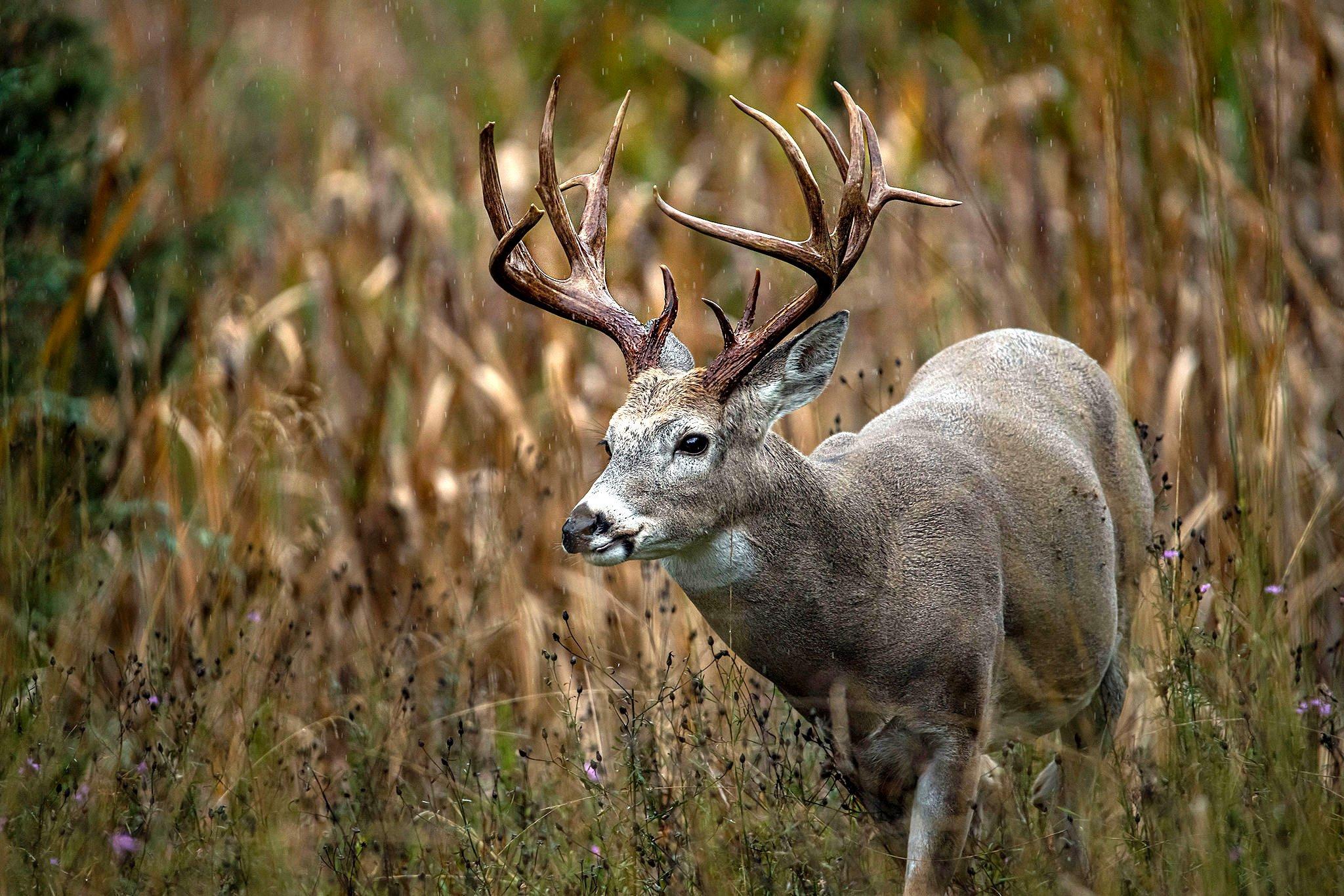
Some mature bucks dramatically shift their core range in the early fall, while others stick close to their summer areas. (Photo by John Hafner)
I raised the .243 and pinned it against the hickory tree, hands trembling and heart thumping. I peered through the old scope and watched the glass dance all over the deer. When the crosshair floated somewhere on front half of the animal, I closed my eyes and pulled the trigger.
My dad heard the shot and came, and together we walked up to the spike. It lay on its right side, still and lifeless, beautiful in a strange way to a young boy. I knelt and ran my hands over its still-warm coat. I proudly grabbed the little antlers. Dad pulled out his knife and gave me a few rudimentary directions, and I went to work, cutting on the deer and opening it up the best I could, shocked at the pungent smell, the hotness of the blood.
I killed my first buck on that cool November morning 50 years ago, and I remember it like it was yesterday. Little did I know it would spawn a long career in the outdoor industry. During college in the 1970s, I started writing articles for hunting magazines. Then came the internet and blogging, and I did all of that. For the past 20 years I’ve hosted and produced more than 200 episodes for several deer-hunting TV series. It’s been one heck of a ride, a ride that taken me to three countries and across 38 states to chase whitetails. Every buck I’ve killed along the way feels connected to that spike that began it all five decades ago.
I don’t claim to know it all, but I have seen and experienced a lot in the whitetail woods over all the years. So much so that I could write an encyclopedia on mature bucks and deer hunting in general, and I might do that soon. For now, here, I give you 20 random thoughts.
Don’t Miss: Don’t Kid Yourself: Weather and Moon Matter for Deer Hunting
1. You get pictures of a whopper 10-pointer in late July. Will he still be in your area come bow season in October, or will he go AWOL? Studies show that some 50 percent of mature bucks may spend the spring/summer months at one end of their home range, and then shift to a different core area sometime in early September. These seasonal ranges may have little or no overlap, so the fall ranges might be off your property. Biologists say that while half the mature bucks, including that big 10 you’ve been monitoring, might leave your land in September, others that summered a few miles away might move onto your property and stay there for the hunting season. The science shows that most properties see a zero net loss of total bucks from summer to fall, but the identity of the bucks you see can change dramatically.
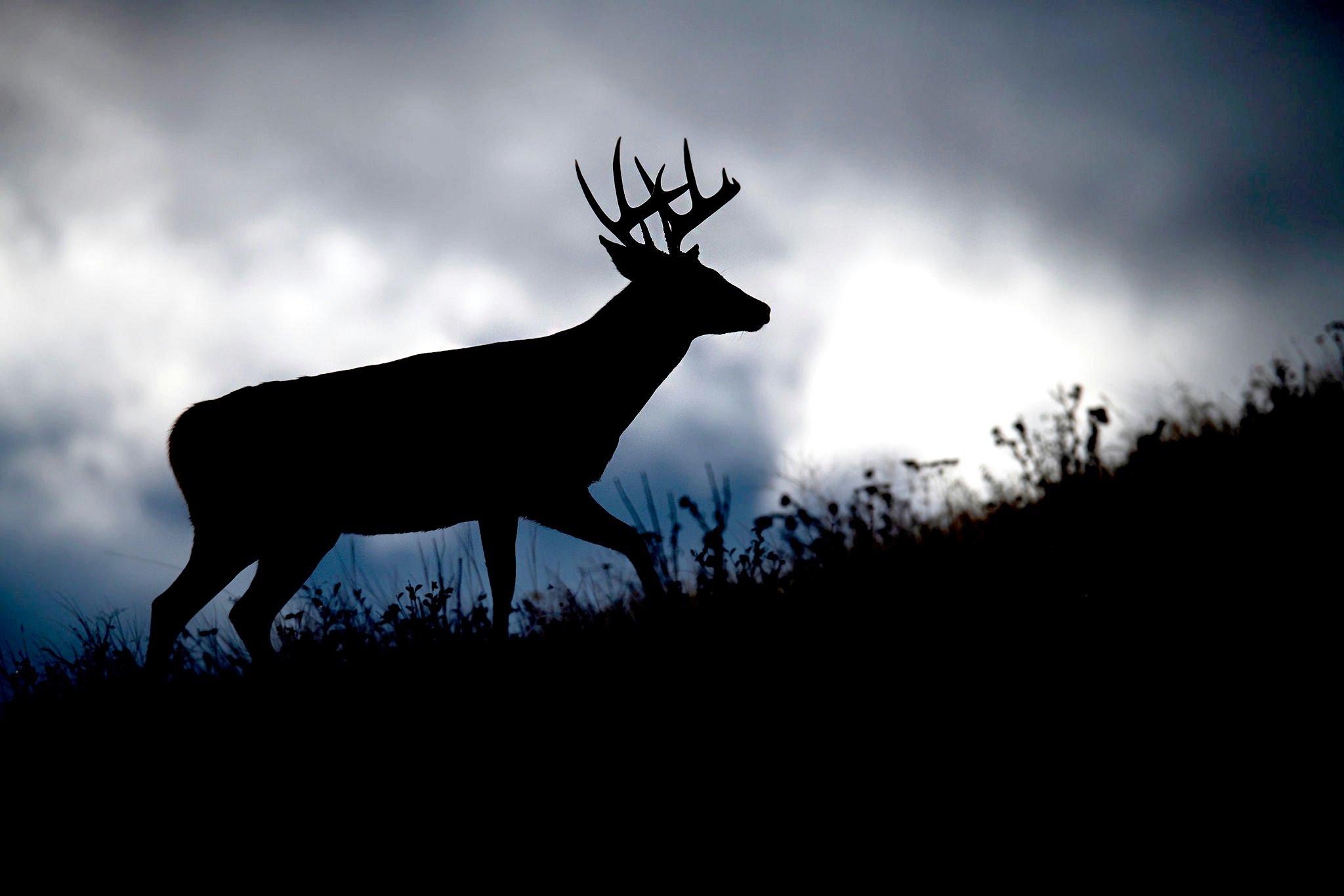
The perfect rut morning is still and frosty, with high pressure and temps in the 20s. Sit all day if you can hack it. (Photo by John Hafner)
2. I have shot close to 100 deer, and some bears and elk, smack through the shoulders with bullets. That’s one of the best shots for rifle hunters. When a deer is broadside, aim on the point of the shoulder. When your bullet is on target, you not only take out both shoulders but also clip the front of the lungs, and shock the heart. Use a good 140- to 180-grain premium bullet (Nosler Partition, Core-Lokt, SST) with controlled expansion that crushes shoulder bone, drives deep and drops deer hard on the spot.
3. The first big rubs you find in September are almost always blazed by a dominant buck marking his fall core area, so factor those into your archery plan. Scout out 100 to 300 yards from “signpost rubs” and hang a treestand or two on trails, edges, or funnels that link feeding and bedding areas. You might get lucky and tag out early.
4. A few years ago I met a hunter named Kyle Simmons, who shot a 264-inch monster that ranks as one of the top non-typical archery bucks in the Iowa Trophy Records. Kyle told me that his epic kill has impacted his scouting strategy before each season. “I set out some trail cameras on the farm we hunt, but I don’t depend solely on the cameras by any means,” he said. “A lot of people I know are so caught up with their cameras that if they don’t get any pictures of a big buck in a spot, they won’t hunt that spot. But I know from experience that just because you don’t get pictures of a buck, that doesn’t mean a big one is not around. I didn’t get one picture of that 264-inch buck, I just hunted hard and he showed up.” Lesson: If you find hot sign in an area, or just have a gut feeling that a good buck is active there, move in, hang a stand and hunt. You might end up shooting a giant on a hunch, the old-school way, and that’s cool.
Don’t Miss: 4-Step Deer Butchering, the Path to Amazing Venison
5. Perfect rut morning: Still and frosty, high-pressure, with temps in the 20s or 30s. Hang tough on stand, a buck might wander by until 11:00 a.m. Sit all day if you can hack it.
6. I enjoy a cold beer after a long day of hunting as much as anyone, but I have a problem with guys who drink long and hard into the night in deer camp. I know you’re on your fall vacation and doing some bonding and all that, but be cool about it. One time in a western camp I watched a soused little guy cold cock a drunk 230-pound muscle man who had moved in on a spot where the skinny fellow was trying to kill a big buck. It was not a pretty sight, and it ruined a good time for all of us for the rest of the week. You can’t hunt well or safely if you’re hung over, and you sure shouldn’t be climbing a tree after a night of partying.
Don’t Miss: 5 Treestand Safety Tips for Deer Hunters
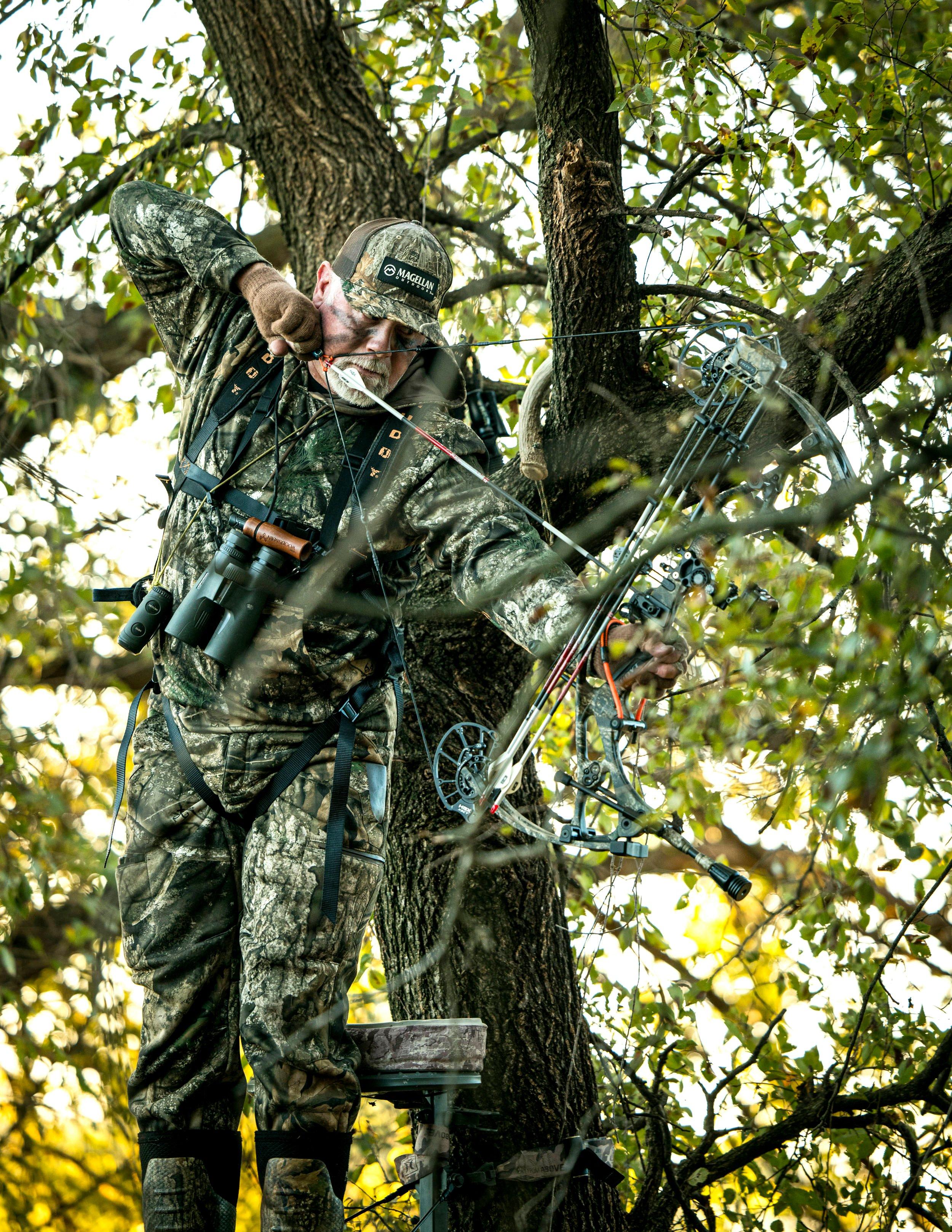
If a deer busts you, he will adjust his travel pattern, so you need to adjust your stands and strategies accordingly. (Photo by Realtree)
7. One day in Wyoming, I shot a foot over a 10-pointer at a tad under 200 yards. The buck bolted and ran straight toward me. I bolted another 130-grainer, fired, missed again. The buck kept churning closer, and I finally dropped him at 60 yards. As I sat muttering and wondering what had gone wrong, I looked down at the barrel tip of my .270. It was split an inch! I figure that as I belly-crawled commando-style on a buck I had passed up the previous afternoon, I dug the barrel into the sand and dirt and plugged the muzzle. When I shot at the 10-point, the first bullet cracked the muzzle tip, and who knows where the bullets flew after that. It was a miracle I got the buck and didn’t get hurt. Lesson learned: I always tape the muzzle of my rifle when hunting in the snow, but now I’m going to cover it every day anytime I’m stalking and crawling on a hunt.
8. The Urban Dictionary defines ground shrinkage as: “when you see a big buck through your gun scope (and shoot), but when you walk up to it on the ground, its antlers have magically shrunk.” Spot on. But it happens to us all, so deal with it. Once you decide to shoot the life out of a buck, you have two obligations: 1) to make a quick, clean kill; and 2) to show the utmost respect to the animal and your privilege to hunt him. That goes for a deer with a rack that you thought scores 140 or 150 before you pulled the trigger, but that shrinks to 120 or 130 on the ground. Be happy, you’ve got a great animal, not to mention some great meat.
9. I asked Dr. Grant Woods, one of the top deer biologists in the world, what is the biggest mistake that bowhunters make. He said: “Whitetails react incredibly quickly to either a positive or a negative stimulus. Most hunters fail to realize that. For example, if a buck sees, hears or smells you in a tree stand near a food plot, he will learn to avoid that spot very fast. He might still go to the plot, but he will alter his travels to avoid your stand. If you know you’ve been busted, take into consideration how fast that deer reacts to your intrusion. He will adjust his travel pattern, and you need to adjust your stands and strategies accordingly.”
10. I still get excited when I shoot a deer, but I’ve always been able to manage buck fever in the field. When a deer you plan to shoot is approaching, start taking deep, calming breaths, and whisper to yourself, "Stay calm.” If it's a good buck, do not look at the rack anymore; the more you gawk, the more you shake! Pick a small patch of hair on the deer's side behind the shoulder and focus on that and only that as you draw your bow, release, and put your arrow right where it needs to be.
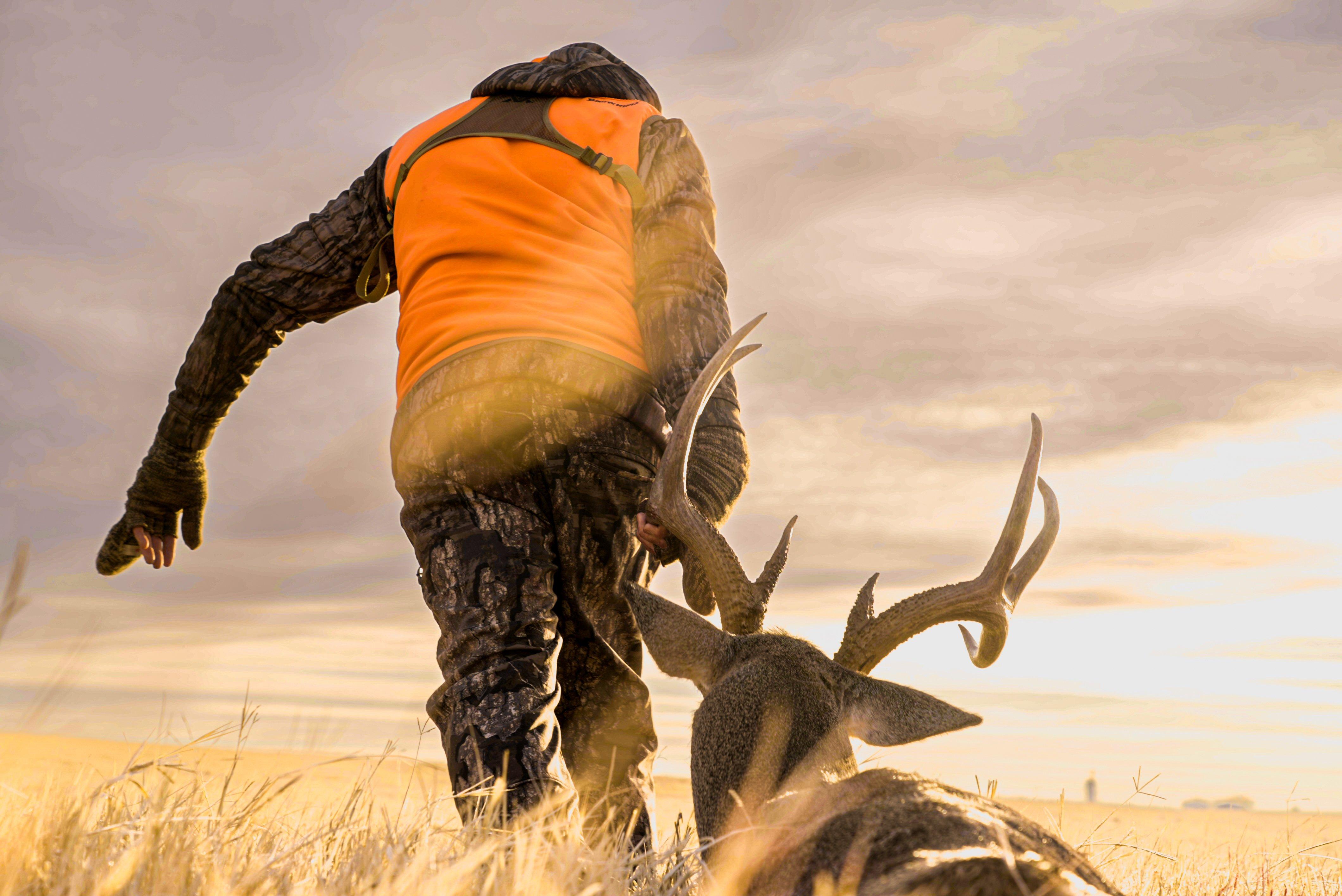
To manage buck fever when a big buck walks into range, stop looking at its rack and instead focus on aiming at a small patch of hair behind the deer’s shoulder. (Photo by Realtree)
11. Hollering, strutting, and fist-pumping over a dead deer, like you just scored a TD in the Super Bowl, is not good look for any hunter. When you shoot and kill a buck, you are excited and happy, and you should be. But there’s no need for a party. After your kill this fall, walk up to your buck, 6-pointer or big 10 it doesn’t matter, and look him over. Magnificent! Kneel and smooth his still-warm hide. Wrap your hands around those wonderful antlers. Smile. If you feel a touch of sadness, that is all right. That is how hunting and killing an animal is supposed to feel.
12. Researchers at Mississippi State University tracked GPS-collared bucks and found that the animals visit and revisit distinct “focal areas” within a property each day. Biologists speculate that the animals were likely bedding and resting in one spot before getting up and moving to the next focal area. Nearly all adult bucks in the study showed these repetitive movements, shifting security spots frequently, and 74 percent of the bucks changed spots every six to 10 hours. Takeaway: Expect the big buck you’re after to use multiple resting/bedding sites each day rather than a single sanctuary. Since the focal areas are scattered across a property, you can take advantage by setting stands to overlook funnels and travel corridors like creek bottoms, brushy draws, timber strips and hogback ridges.
13. While cool, clear, low-wind days are best, mature bucks are wildly unpredictable, and so there are exceptions. I’ve sat from dawn to dusk for 10 cold days straight in the big-buck timber of Saskatchewan and never seen a shooter. Two seasons ago in southern Kansas, on one of the worse weather afternoons of the season (68 degrees and humid with howling 30 mph south winds) I shot a 160-inch 12-pointer at dusk. The lesson is to hunt when you can!
14. Over the years I’ve shot 10 bucks scoring more than 160 inches between noon and 2:30 pm during a “rutting” full moon. For the last 25 years I have not missed a day where I didn’t hunt long and hard around and during that moon, which occurs in early or mid-November. Beneath this bright orb I have experienced flurries of increased buck movement, both on trail cameras at night and from stands during midday hours. I love hunting not only during the full moon phase, but also the 3 to 5 days that precede and follow it. On the waxing gibbous days that build up to the big moon, I focus on afternoon hunts around fields and plots. As the moon fades to the waning gibbous, the best deer activity generally switches over to mornings, so head to stands back in the timber near travel corridors and bedding areas.
Don’t Miss: 9 Essential Tools for Bowhunters
15. During backyard practice sessions this summer, shoot dozens of arrows each day to tone your muscles, perfect your form and technique and tweak your equipment. But once deer season opens, try this. Shoot one arrow tipped with a broadhead each day. You’re lucky to get one shot at a buck this fall. The physical and especially the mental benefits of your everyday one-shot practice will help you make that one shot count when a buck shows up.
16. Hang a treestand on a flat, narrow bench on the side of a ridge. Rather than walking the top of the hill, many bucks will drop down and travel along the bench. Acorns might fall on or near the bench in early fall, doubling your odds of success. A good buck might use the bench as a bedding area, so you might get a crack at him from the same stand one morning.
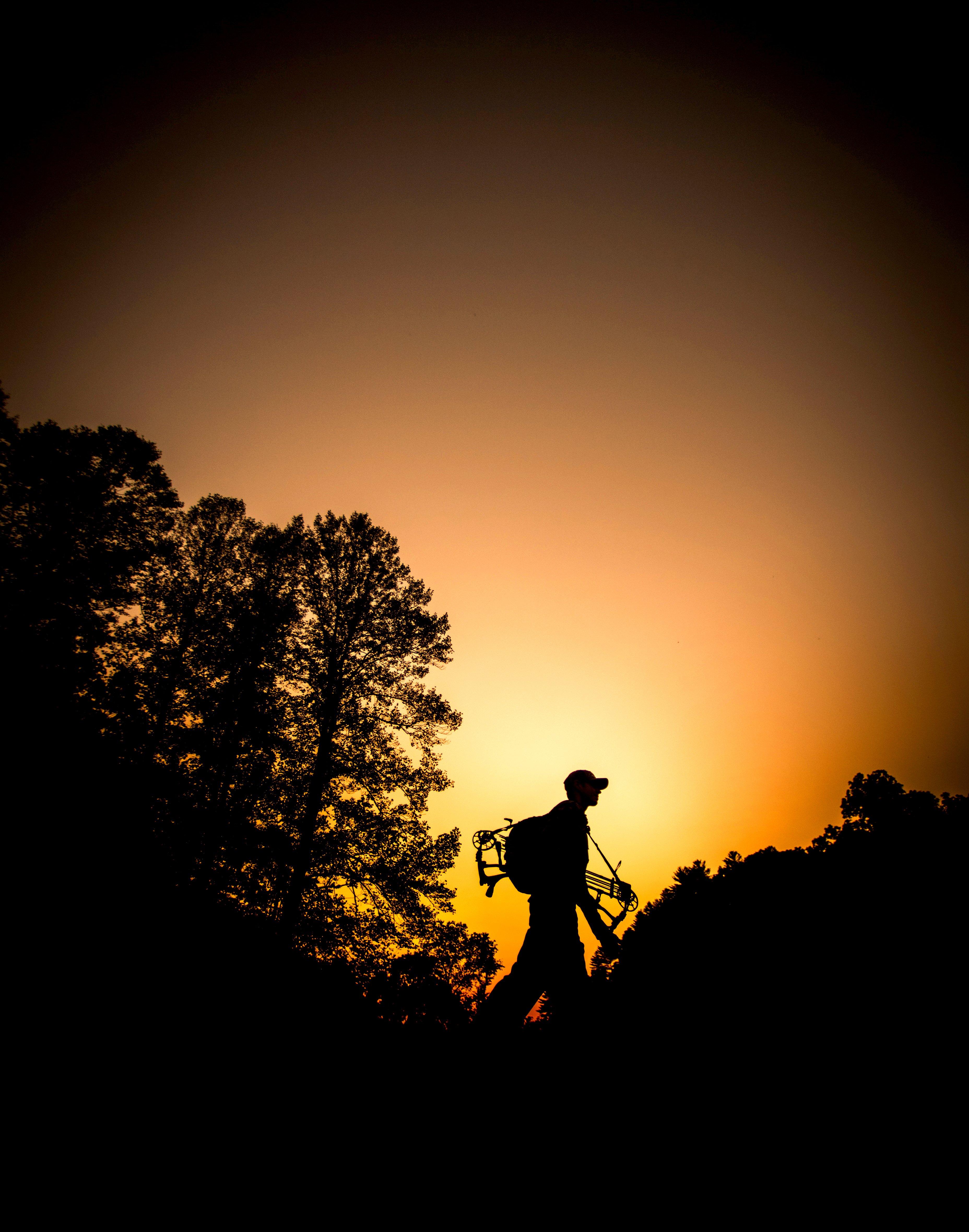
Every day in the woods is a good one, so keep a positive attitude and enjoy your time outdoors. (Photo by Bill Konway)
17. If I had to choose only one cartridge for big whitetails it would be the iconic .30-06. I have shot dozens of bucks, including 10 giants that scored over 160, with a variety of .30-06 rifles and premium 150-grain bullets. Top your ‘06 with a quality 3X-9X scope that costs as much or more than the rifle. For an all-around deer rig you cannot do better.
18. October 21 is the unofficial first day of the “hard” pre-rut. After weeks of clover-munching, acorn-gobbling, and bedded-for-hours downtime, bucks’ necks blow up with testosterone. They begin to move more, and they crank up their rubbing and scraping. In the northern two-thirds of the country, 5 to 7 percent of a herd’s does come into estrus and are bred around October 21. Good things can happen when: 1) mature bucks start to prowl hard in daylight; 2) they chase the first few receptive does; and 3) there’s still little pressure in the woods as compared to the November rut and gun chaos to come.
19. Here’s an important thing to remember when hunting small properties. Deer learn to tolerate people on the fringes of their habitat, but too much human intrusion inside a buck’s core area will cause him to become nocturnal or, worse, skulk over to another property across the fence. You’ll always do best by hunting your small parcel from the outside in. Walk and set stands on the perimeters, and let deer do their thing undisturbed inside the woods. Sit your perimeter stands long enough, and one day an unsuspecting buck on his way in or out of the property will slip up, come close, and give you a shot.
20. Nobody enjoys pessimistic hunting buddies. “It’s too hot, it’s raining, the deer aren’t moving, we only have little bucks on camera.” We only have so much time to hunt, and the older you get, the more you realize those days are numbered. I only hunt with people I like and respect, and who bring a good attitude to the table. You should do the same, because it makes a day in the woods so much better.
Don’t Miss: The Best Shot Placement on Deer