5 Fascinating Facts About Buck Antlers
Posted 2025-10-02 by
Does with antlers? Whacky racks because of injuries? How much do you really know about antlers?
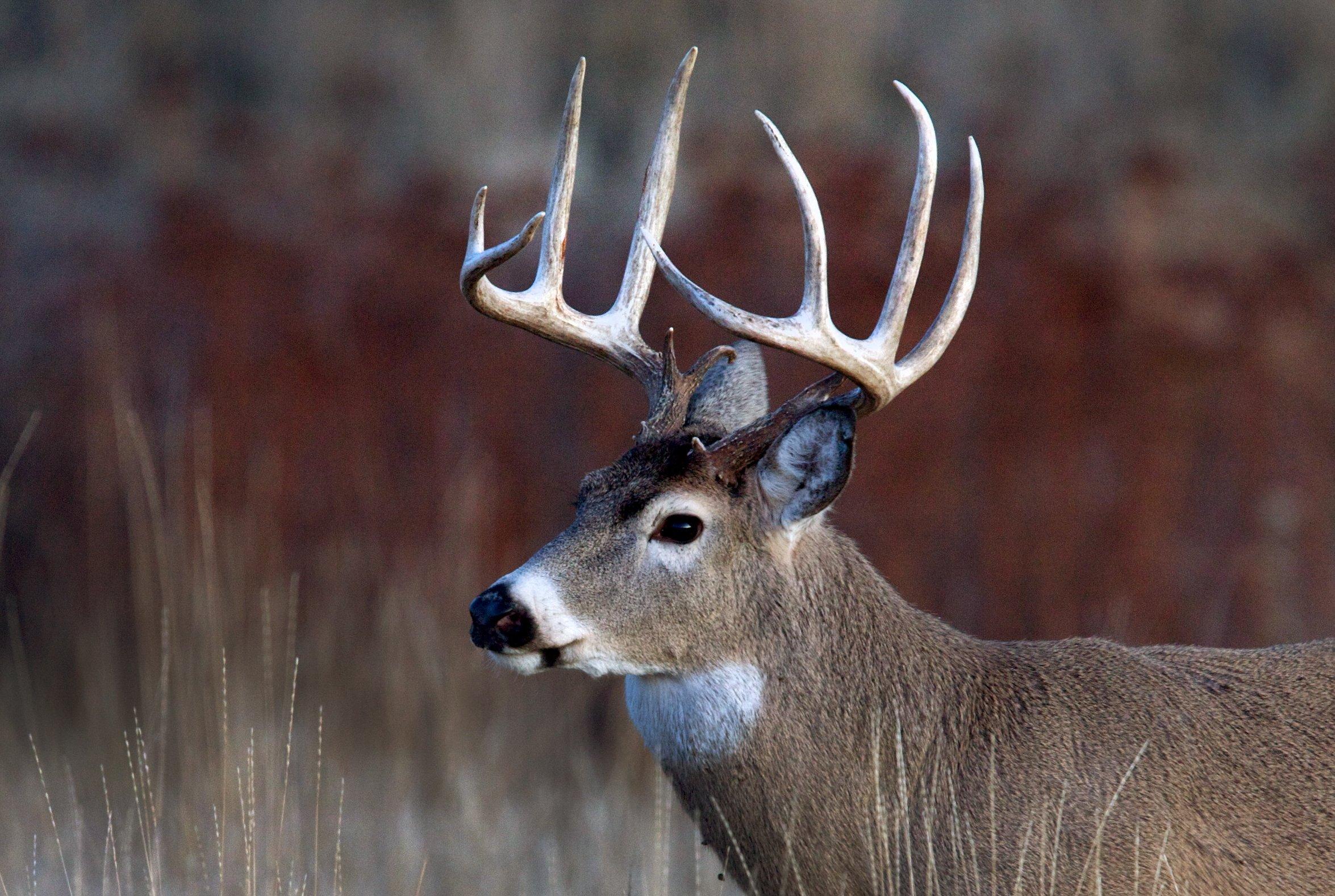
A whitetail buck begins growing antlers in spring. Soon after the rack is fully developed, the deer rubs off his velvet. By early to mid-winter, the antlers fall off, and the growing process begins again. Image by Tom Reichner.
Whether you’re a trophy hunter, meat hunter, or somewhere in between, you’re probably amused or even obsessed with deer antlers. Terms such as antler scores, number of tines, spreads, kickers, and more are tossed around in about every deer hunting conversation. Even non-hunters who have gotten into shed hunting are fascinated by antlers and their characteristics.
Why do so many hunters focus on antlers? I’ll answer that question with a question: What would deer hunting be without them? Also, no two antlers are the same. Are there similarities between specific ones? Sure, but no two are identical.
DON’T MISS: 5 Tips for Post-Rut Elk Hunting
Whether you hunt or not, antlers are pretty cool. Here are five facts about them.
THEY’RE ANTLERS, NOT HORNS
“Look at the horns on that one,” you’ll often hear in hunting camps or at check stations. Innocent as it sounds, deer don’t have horns. They have antlers. So do elk, moose, caribou, black-tailed deer and mule deer.
So, what’s the difference between horns and antlers? Horns are made of a keratin base and remain a permanent fixture of the animal, except that some animals cast the outer sheath. Sheep, goats, pronghorns, and bison are examples of animals with horns.
Antlers are bones made up of minerals and nutrients, and they grow from spring through late summer. They’re protected by velvet until fully developed, when the animal rubs off the velvet. In winter and spring — depending on the species and climate — the antlers are shed. Then, the growing process starts again, and the older the animal, the larger and more massive the antlers tend to be, save for injured animals or those that are beyond their prime and regressing.
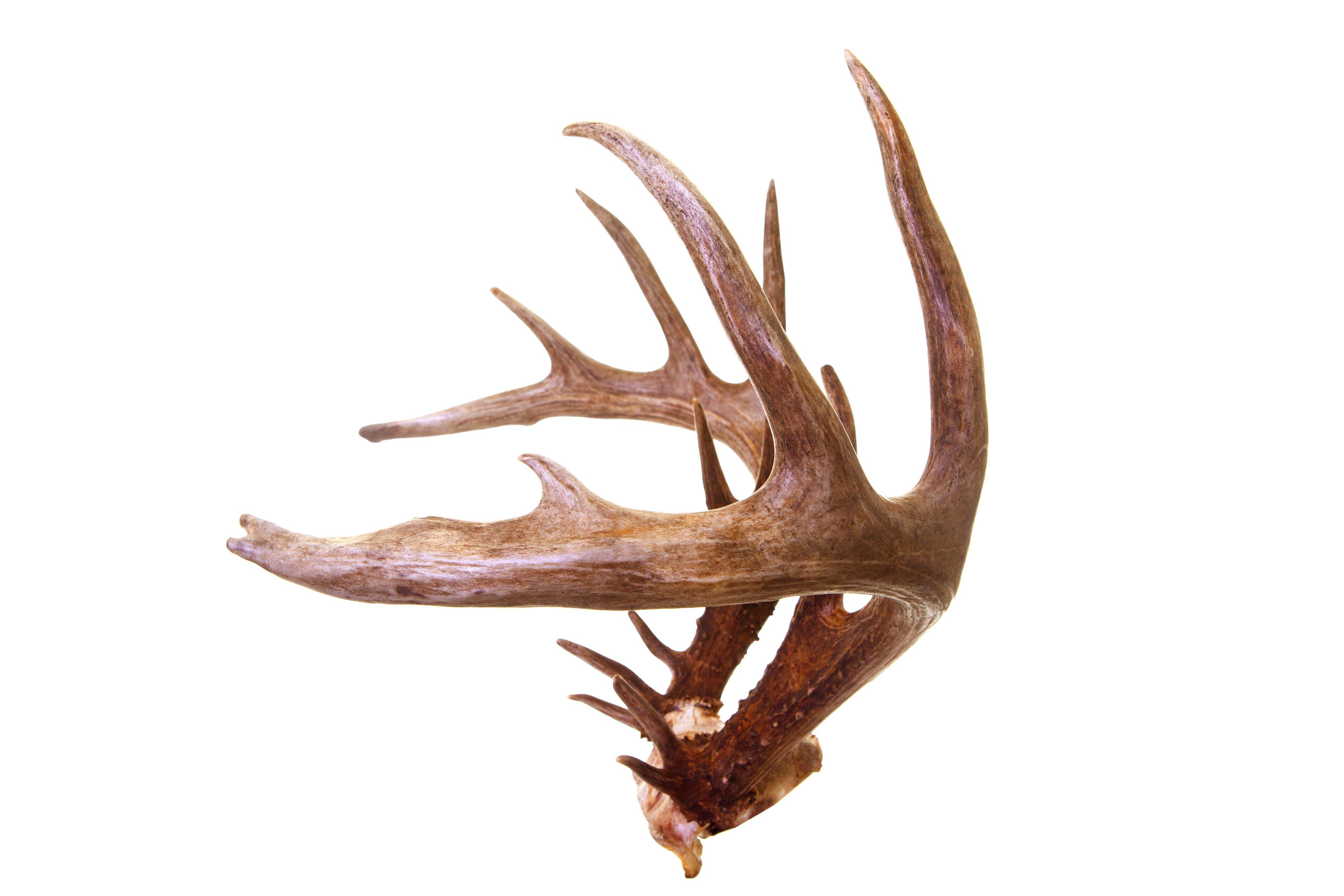
One of the coolest things about deer antlers is that no two antlers are identical. Image by Keith Publicover.
INJURIES AFFECT GROWTH
Have you encountered or harvested a buck with one clean typical antler and one whacky antler? That’s likely the result of an injury. An article by the Mississippi State University Deer Ecology and Management Lab said, “Damage to the antler pedicle or the skull’s frontal bone is the most common cause of antler malformation. The rarest damage-related injury is when a buck suffers a crippling injury to his hind leg and his opposite side antler grows abnormally. The specific cause has not been confirmed, but alterations to the buck’s walk, or gait, due to the crippled leg may alter blood flow or nerve stimulation, resulting in the altered growth of the opposite antler.”
DON’T MISS: No End In Sight for Deadly EHD Outbreaks
The article also said, “Deer can also develop abnormalities due to problems stemming from internal or systemic problems, as well as problems stemming from genetic abnormalities. When a deer’s antlers fail to transition out of the velvet stage, the cause is often a lack of testosterone. Antlers may remain in velvet permanently if testosterone production is insufficient to promote hardening and velvet shedding.”
DOES CAN GROW THEM, TOO
Most antlered deer are bucks, but not all of them. According to the Georgia DNR website, about one in 10,000 female deer grows antlers. The article said, “Some does have increased testosterone levels, allowing antlers to grow. Most of the time, these antlers will be spongy, but on rare occasions, they can harden the same as male antlers. Most ‘does’ with hardened antlers are actually hermaphroditic deer, meaning they have both male and female reproductive parts.”
TINES OR POINTS LESS THAN 1 INCH DON’T COUNT
A buck can have lots of antler points, but those measuring less than 1 inch only count when you tell your buddies how many points your buck has. The Pope and Young and Boone and Crockett scoring systems do not count them for gross or net scores.
RODENTS, COYOTES AND DOGS LOVE ’EM
Have you ever found a shed antler that was chewed up? Mice, squirrels, and porcupines chew antlers. So do domestic dogs and wild canine species such as coyotes. An article by Karli Gill on the National Deer Association’s website said, “Antlers consist of 11 different mineral elements. When hardened, they contain roughly equal parts protein and minerals, with the majority of these minerals consisting of calcium (19%) and phosphorus (10%).
Check Out Our Latest Camo Pattern: Realtree APX
“A University of Georgia study tells us that the other minerals include magnesium, sodium, potassium, barium, iron, aluminum, zinc, strontium, and manganese. It is suspected that the need for these additional minerals in their diet is what drives squirrels to chew on cast antlers and other bones.”