3 Changes in September Buck Behavior
Posted 2026-09-08 by
These shifts greatly affect deer movement and location. Anticipate them to intercept a shooter
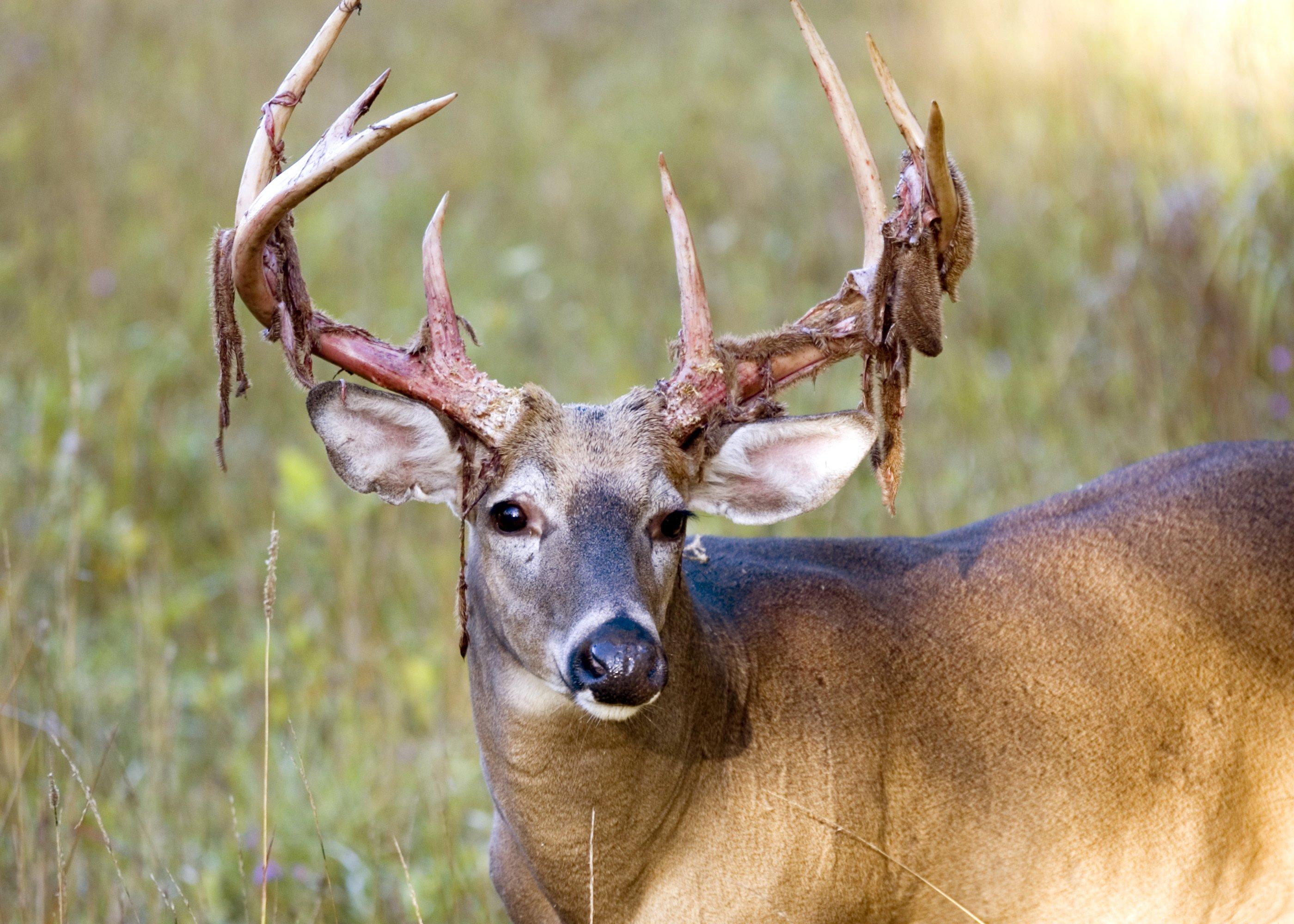
After shedding their velvet, mature bucks fan out to preferred corners of their autumn home range. Photo by Bruce MacQueen.
September is a month of change — big change — for white-tailed deer. Bucks shed antler velvet and begin to rub trees. Big-racked homies that hung out together all summer get ornery and testy with each other. As food sources change, so do the diet and movements of deer. The better you understand how these physiological and environmental shifts affect the behavior and patterns of bucks, the better you will scout and hunt.
Don’t Miss: The Best Days to Deer Hunt in 2026
VELVET STRIP AND BUCK SHIFT
As the days shorten in September, testosterone levels rise in bucks, triggering the hardening of antlers and the velvet strip. Mature bucks within a bachelor’s club get more aggressive and intolerant of each other, eventually causing the groups to break up. Mature bucks fan out and move to preferred corners of their fall home range.
Research shows that during this shift period, which occurs from Sept. 5 through 20, depending on region, 50% of the mature bucks in an area might spend summer at one end of their home range and then move to a separate core area for fall and winter. These seasonal ranges might have little or no overlap. How far will bucks go? Missouri’s Grant Woods, one of the top deer scientists in the world, said it could be 200 yards, 2 miles, or anywhere in between.
“Many of the bucks that shift will probably still live in your hunt area,” he said. “You just need to scout more after Sept. 20 to pin them down again.”
Keep glassing fields and openings, and keep cameras running. If you spot a target buck you’ve been watching for the past month, great, he’s a homeboy. Or you might get pictures of a new buck with an even bigger rack — one of those vagabonds that has moved in from a property a mile away. Either way, you’re in good shape. Start mapping out your hunt plan.
Don’t Miss: He Sees You: Understanding Whitetail Vision
FIRST RUBS
As their velvet peels, many bucks thrash bushes and saplings with their racks, but that is insignificant.
“Very few rubs are made by deer removing velvet,” Michigan biologist John Ozoga wrote in his great book Whitetail Country.
Ozoga pointed out that the first “mark rubs” (on trees 2 to 4 inches in diameter) you find in September are usually made by mature bucks (3-½ years and older) “to proclaim their control over a given area.” Although whitetail bucks are not territorial per se, they readily mark their fall core areas with rubs. Other bucks and does see the shiny white blazes, and if they come close enough, get a whiff of the maker’s forehead and salivary scent. They know who’s the boss there.
I believe that scouting and finding clusters of the first rubs is a big key to your strategy for the entire season. From Oct. 1 through December, some of the bucks that blazed those rubs will spend 90% of their time on or near the same ridges and bottoms where you find the sign.
Don’t Miss: How to Get To (and From) a Treestand Without Spooking Deer
CHANGING FOOD SOURCES
Throughout September, deer transition from summer to fall food sources, and to that end, here are two major events to consider. First, if you hunt in or near farmland, realize that the mechanics of harvesting corn, soybeans or alfalfa creates a sudden and chaotic habitat disruption. As the combines roll through, deer that staged and perhaps bedded in the tall crops move quickly into nearby timber and thickets. Although a cut field no longer offers daytime security, it instantly becomes a premier food source, with waste grain left on the ground. Again, continue glassing and keep cams active to relocate the displaced bucks.
One day soon, you might notice another major and sudden shift in deer movement. If one evening a field or plot where you have routinely spotted 15 or more does and a couple of shooter bucks is empty, you can bet acorns have started to fall in nearby woods. Bucks will walk right through the prettiest plot of clover or beans to gobble acorns (their No. 1 food choice when available) and pack on more fat reserves for the rut and winter.
Now is a good time to plan ahead for this potential change in deer patterns by conducting a rudimentary acorn survey. Hike ridges and creek bottoms in your hunt area, and scout for fresh mast on the ground. Point a binocular into the tops of large oak trees. If you spot a mess of green acorns near the ends of limbs (15 or more nuts per branch for a white oak), it will be a good mast year, so plan on deer feeding heavily back in the woods into October and even the rut. Zero in on the most productive oaks on ridges and flats, and in brushy funnels. Hang a couple of tree stands nearby for super bowhunting in a few weeks.


?fmt=auto&qlt=default&fmt.webp.qlt=65&fmt.png.qlt=73&fmt.jp2.qlt=35&fmt.jpeg.qlt=60)