Ladies First: How Does Rule the Rut
Posted 2025-10-27 by
Hunters obsess over antlers. But the real power players of the rut aren’t wearing headgear at all
It’s an all-too-familiar scene for anyone who’s spent time in a November treestand. A group of does drifts out of the timber like clockwork, just as golden hour light starts fading to gray. The first one is thick-bodied, a little gray in the face. She looks like she’s had plenty of experience dodging bad decisions, and maybe a few bullets in her day. She pauses at the edge of the cut beans, head high, nose twitching as she reads the wind.
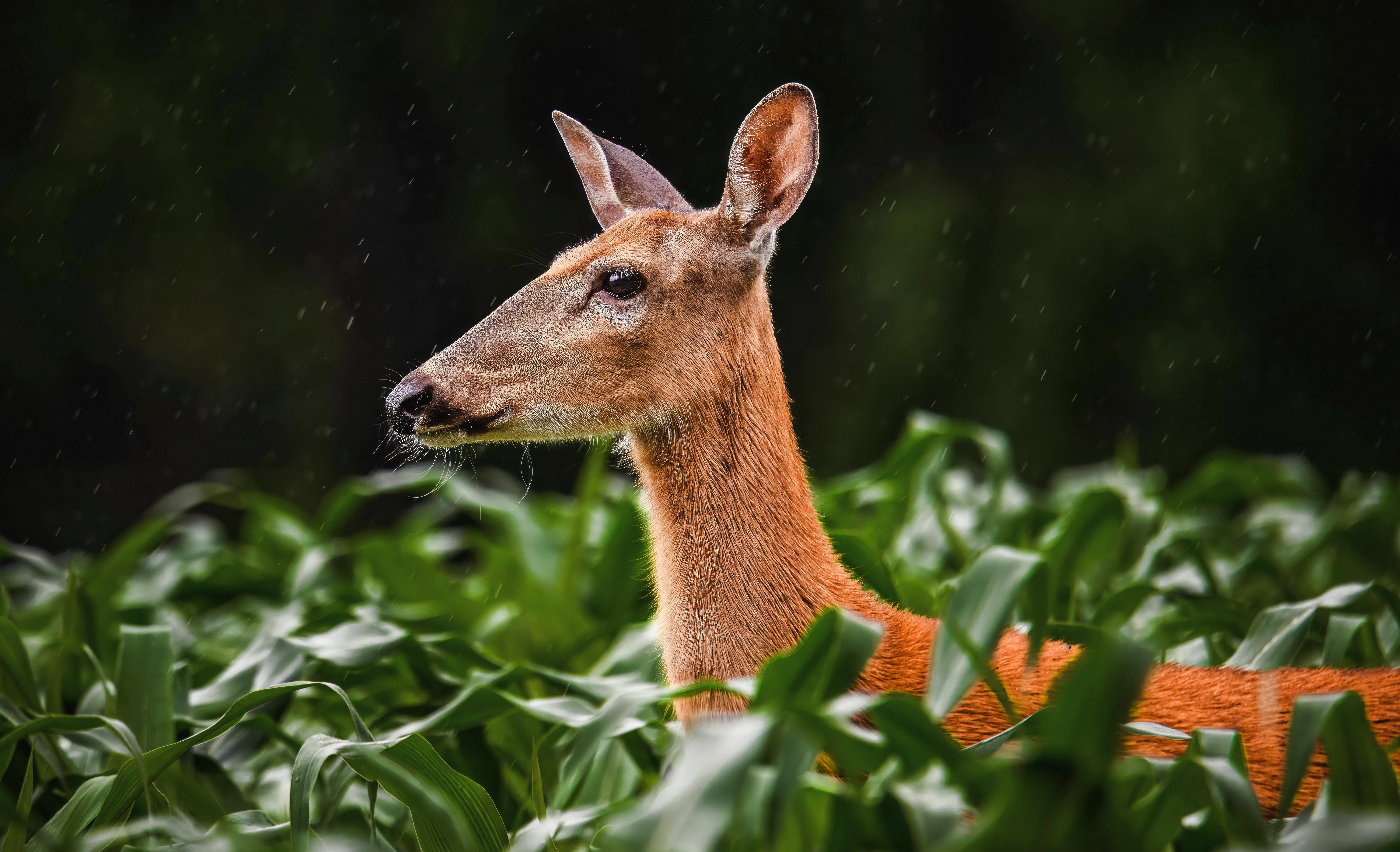
When it comes to the rut, does are the key to figuring out where bucks will be. Image by RJP2 Images
Two younger does follow after she takes those first cautious steps into the field. They feed behind her, tails flicking, acting like it’s just another quiet evening at the buffet line.
If your trigger finger doesn’t twitch at the sight of fresh doe backstraps, give it 10 minutes. A buck will ghost out of the timber with that wild-eyed, lovesick look, nose stretched toward the girls, lip curled, grunting like he’s trying to work up a good pickup line.
Hunters like to think this is his time of year, that he’s the one running the show. He may look big and bad, but that buck is only following orders. It’s those ladies gleaning the beans who are calling all the shots.
QUEENS OF THE RUT
Hunters cling to their old wives' tales about what kicks off the rut. The full moon, barometric pressure, that first cold snap — pick your theory. But according to biologists, none of those things mean much.
“It isn’t moon phase that drives the rut,” says Kip Adams, chief conservation officer with the National Deer Association. “It’s 100 percent the number of daylight hours.”
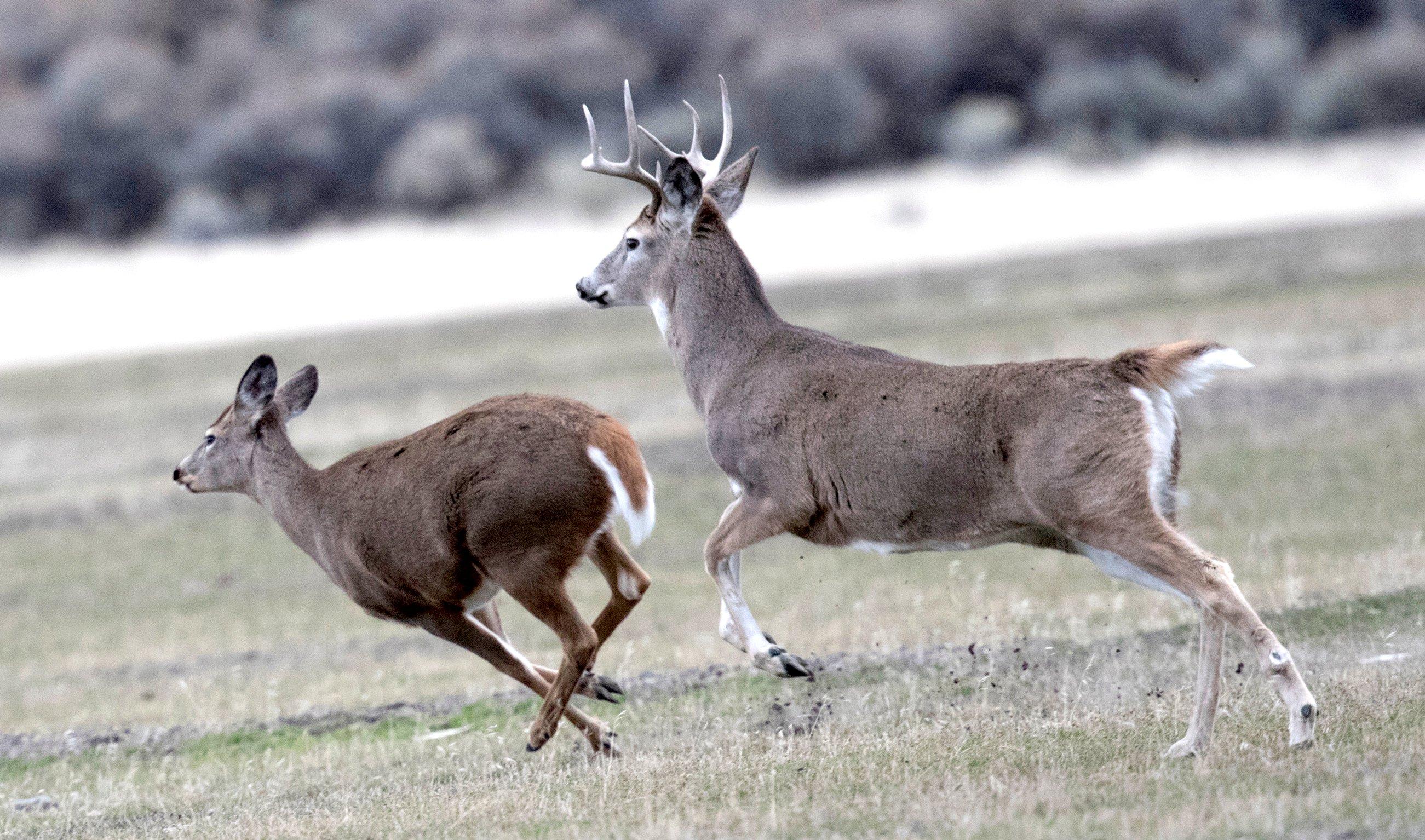
As days shorten, the bodies of both male and female deer respond with increased hormones, kicking off the rut. Image by Dana Cama
The start of the rut isn’t witchcraft. It’s photoperiod — how many hours of daylight hit a deer’s eyeballs — that sets the calendar for breeding season. A doe’s body starts pumping hormones as the days shorten. Bucks respond to the same biological clock, which is why the rut happens at pretty much the same time every year.
But what hunters think of when we hear the word “rut” — the cruising, the chasing, the chaos in the woods — isn’t dictated by the moon or a sudden drop in mercury. It’s the does.
When deer herds are balanced, meaning hunters are taking enough does, the breeding season is tight and intense. Fewer does mean bucks have to work harder to find them. That’s when hunters see the kind of daylight movement everyone dreams about. The kind where the big boys are running themselves ragged looking for love.
“When hunters protect all the does, thinking they’ll make rut activity better, it backfires,” Adams says. “If you’re overwhelmed with does, bucks don’t have to search very hard, and hunters actually see less rutting behavior.”
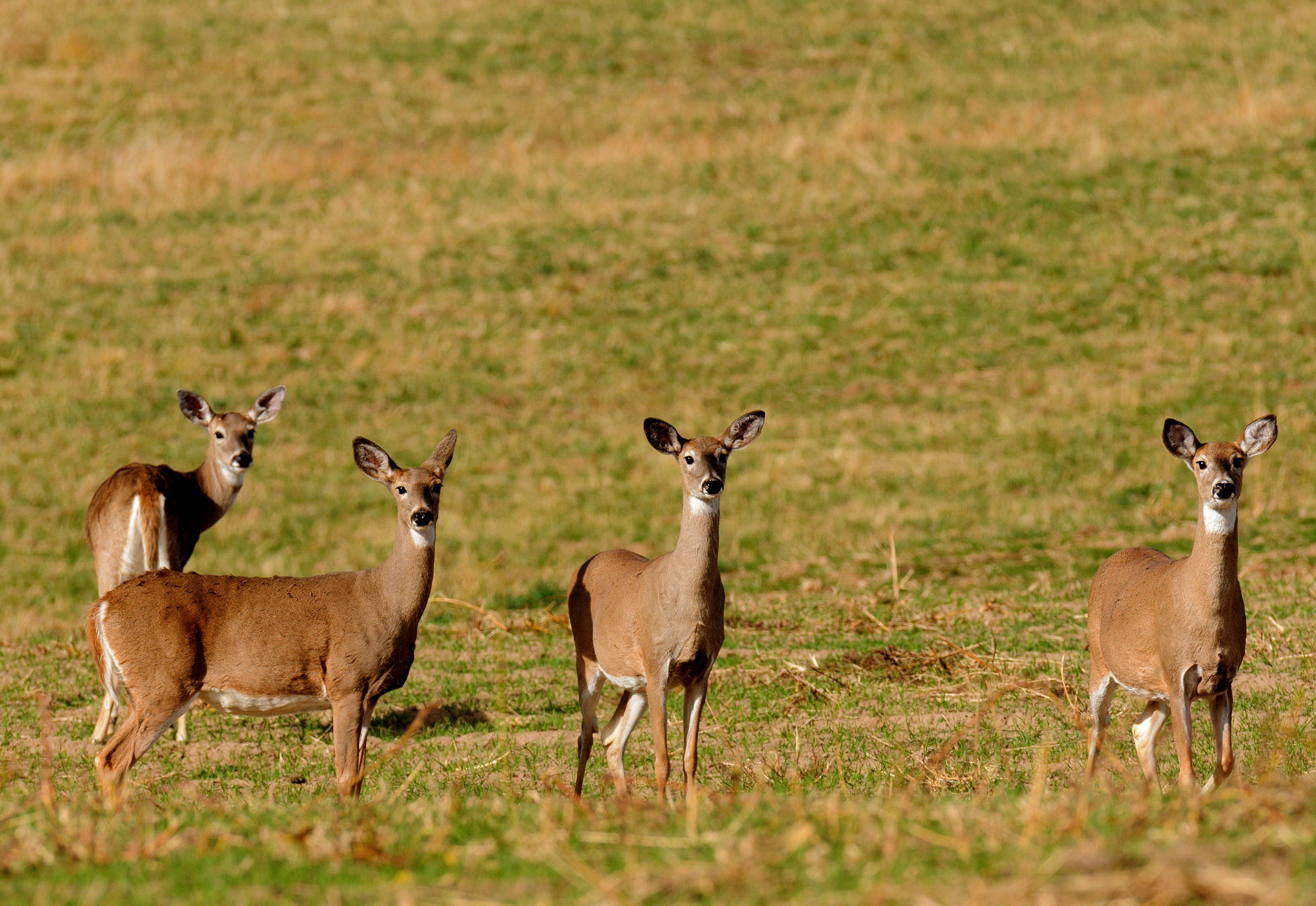
A balanced herd means a more concise, intense rut, while an overpopulation of does can result in hunters seeing less rut activity. Image by Judith Lee
In other words, if your trail cameras are full of does and your bucks only show up at midnight, it’s not the moon’s fault. It’s simple math. Too many ladies, not enough competition.
If you want to see a visible, longer-lasting rut, you don’t need to wait for the perfect moon phase or start doing cold-front dances in the backyard. You just need to harvest some does. Balance the herd, and the bucks will take care of the rest.
Don’t Miss: GIANT BUCKS ON TINY PROPERTIES
DOE HIERARCHY
Bucks may be the headline act of deer season, but the does are really the ones in charge. Every woodlot, food plot, and bottomland thicket has a social structure that’s far more organized than the local hunt club.
“Even more so than bucks, does have very well-defined pecking orders,” says Adams. “The dominant doe gets the best fawning area. And she’ll drive everyone else away.”
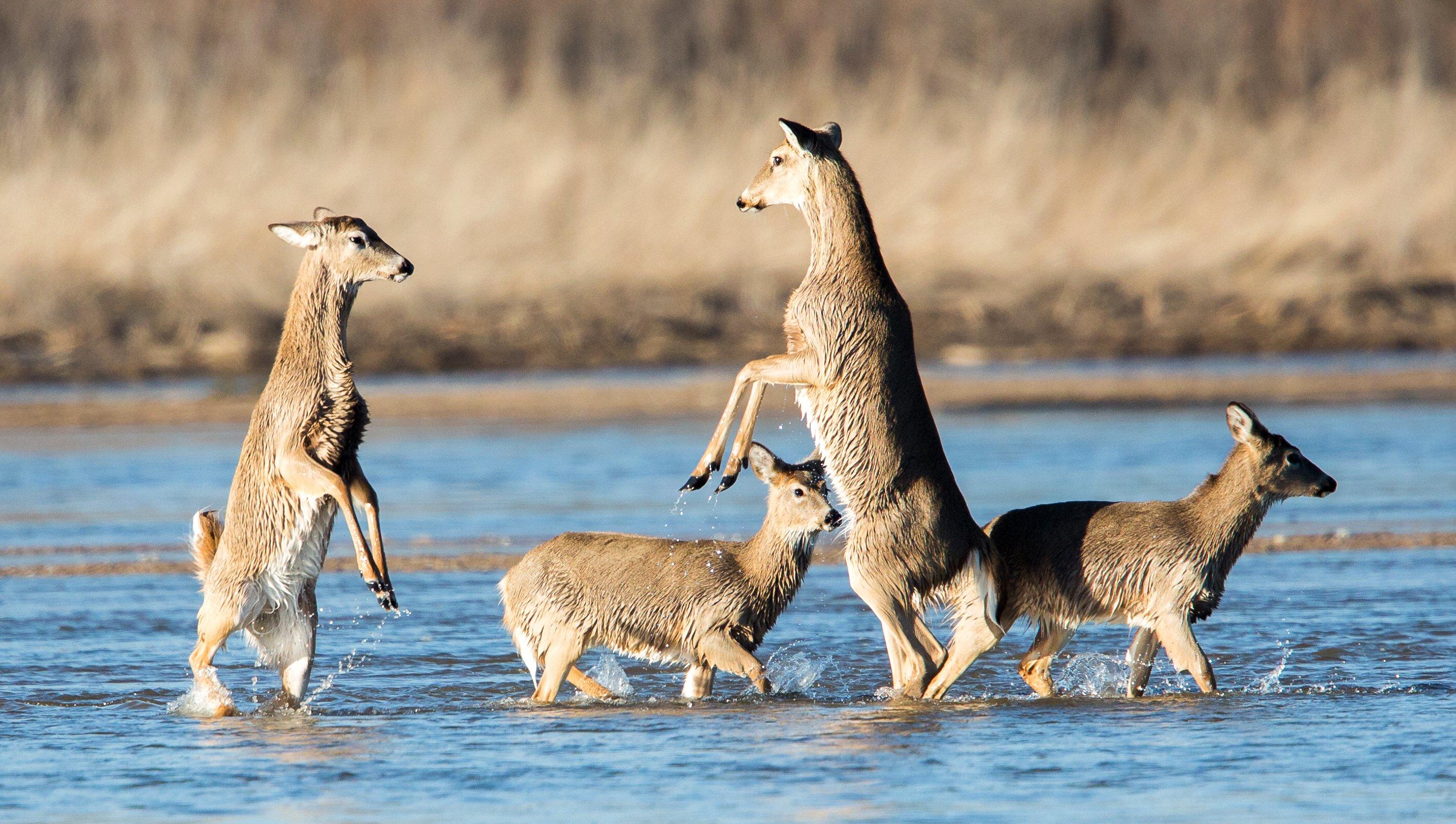
Does have a well-defined pecking order with the dominant does getting the best fawning areas. Image by William T. Smith
A typical doe group is basically a big family comprised of great-grandmothers, grandmothers, mothers, daughters, nieces, and aunts. It’s typically the oldest doe in the group who sets the daily routine. She decides when to bed, when to feed, and which trail everyone takes to get there. The younger ones fall in behind her like kids trailing Mom through the grocery store.
She’s not at all shy about enforcing the rules, either. That big doe on your trail cameras that’s stomping, blowing, and running off younger deer from the feeder? She’s not just being dramatic. She’s running the neighborhood. If she even suspects something’s off, she’ll snort loud enough to warn every deer in the county.
For hunters, that’s equal parts headache and opportunity. She’s the sharpest set of eyes in the woods and the first one to bust you if your wind’s wrong. But if you figure out where she beds and how she travels, you can pattern the whole herd — including the bucks that start nosing around once November hits.
If you keep seeing that same big doe step out first every evening, don’t cuss her. Study her.
THE RIPPLE EFFECT
Dominant does and tight family groups aren’t just choosing the best bedding areas and feeding spots. They’re also setting the schedule for pretty much everyone else in the woods. Bucks respond to that schedule, moving more or less depending on how the ladies arrange their day.
In herds with a good buck/doe balance (about one to one and a half does for every buck), bucks have to look harder and cover more ground to find does ready to breed. And that means there are more opportunities for those bucks to make mistakes.
“When you have a balanced herd, those bucks are on their feet more. They’re searching harder, which means hunters have a better chance of seeing them,” Adams says.
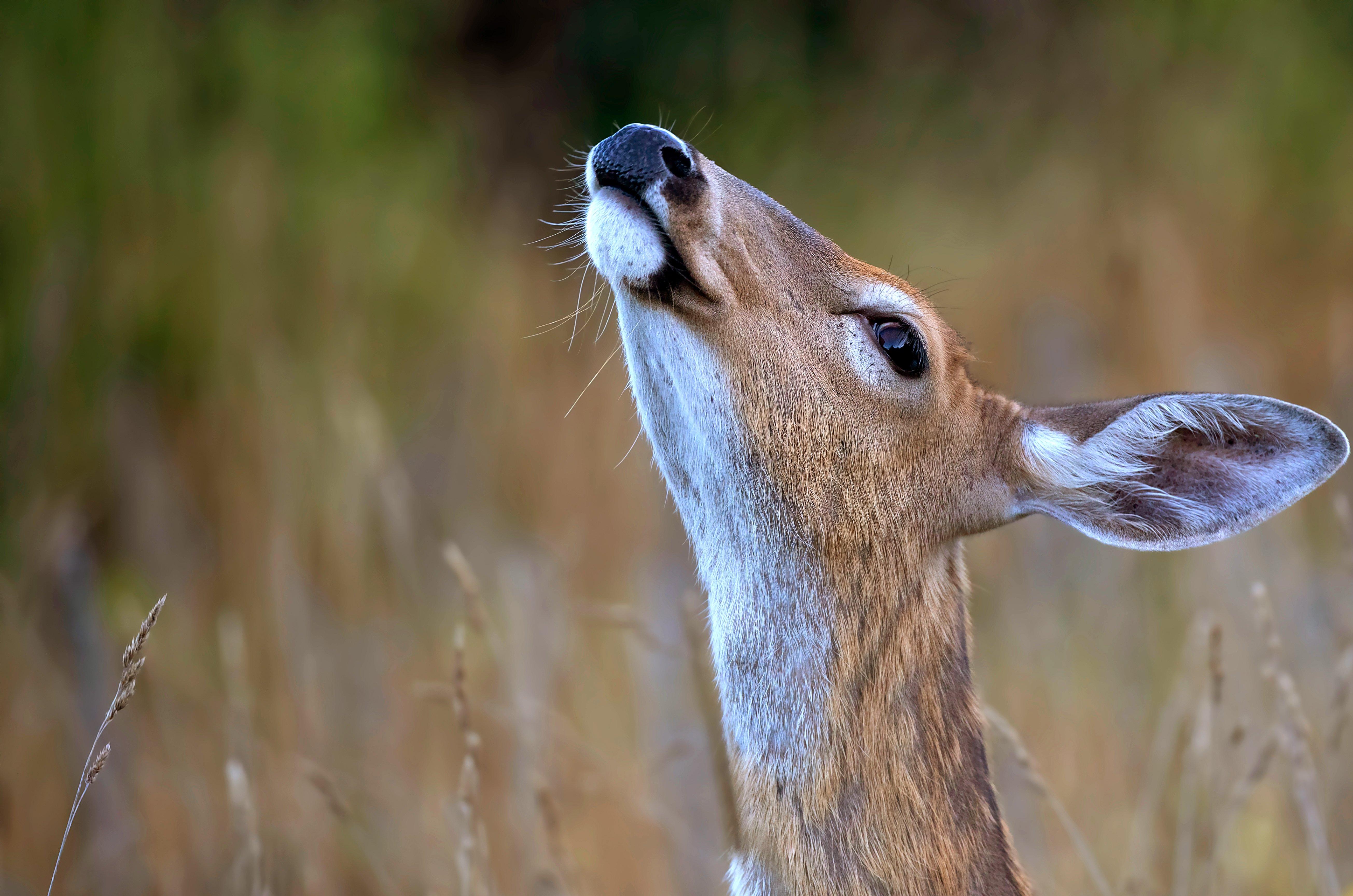
A balanced doe/buck ratio means bucks will travel farther to find receptive does, offering increased possibilities of being seen by a hunter.
That’s why a late-afternoon stroll to the food plot can turn into a full-on performance. Bucks move from bedding to feeding areas, checking scent, inspecting scrapes, sometimes even tripping over each other in their excitement. Young, desperate bucks will chase every doe in sight, ruthless and annoying. Adams calls it their “bird-dogging stage.” Older bucks hang back, calculating, waiting for the real heat to hit.
But flip the balance, and the scene changes fast. Too many does, all in heat at once, and bucks don’t have to work nearly as hard. They pair off quickly, stay locked down, and suddenly the woods feel like it’s taken a coffee break. You can watch scrapes, trail cams, or even open fields for hours and see nothing but squirrels.
But even in doe-heavy areas, careful observation can pay big dividends. Track the does. Watch their bedding areas, feeding routes, and travel times. Where they go, the bucks will follow. If you can find the pattern, you can be in position for the full show.
Don’t Miss: WHY POACHING IS MORE SINISTER THAN YOU THINK
THE SECOND ACT
November isn’t the only time hunters can take advantage of rutting buck behavior. Maybe you’ve heard rumors about late-season bucks chasing does like it’s November all over again. Those aren’t tall tales. It’s the second rut.
“The mythical second rut is real,” Adams says, “but it’s not what it used to be. Today it’s mostly fawns coming into heat for the first time.”
A few decades ago, the second rut happened because hunters were harvesting too many mature bucks, leaving an off-balance buck-to-doe ratio. That meant there were fewer bucks to go around during the rut, and some does weren’t getting bred during the first cycle. Twenty-eight days later, they came back into heat, sending bucks into a second wave of amped up rut activity.
Adams says that better herd management means nearly every adult doe is bred on the first cycle these days. That leaves the second rut as a much smaller affair that is driven mainly by doe fawns reaching sexual maturity in December or January. Not every doe fawn will reach sexual maturity in that first year. But in well-fed, healthy herds, a few will, and that can send bucks into a frenzy, producing some of the most dramatic daylight action of the season.
So don’t throw in the towel when November ends. Keep your treestands hot through December, because the second rut is like a surprise after-party. Fewer does in estrus can mean more chaos, more chasing, and some of the best daylight action you’ll see all season.
MEET THE BOSS
Next time you see three does slip out into a cut bean field, don’t think of them as background noise. Those ladies out there waltzing around are the real power players of deer season. While the bucks grab all the headlines, the does are the ones quietly keeping the whole show on track. Understanding their routines, moods, and family politics will improve your chances of being in the right tree at the right time.
Because he’ll come running when she’s ready. When she’s not, he’s just out there embarrassing himself.
The secret to hunting the rut isn’t thinking like a buck. It’s paying attention to his boss.
Don’t Miss: 5 GIANT FULL-RUT BUCKS FROM LAST FALL