Ways to Win During the October Lull
Posted 2025-10-16 by
Maybe the lull is a myth or maybe it isn’t, but many hunters struggle regardless in mid-October. Here’s how to punch tags instead
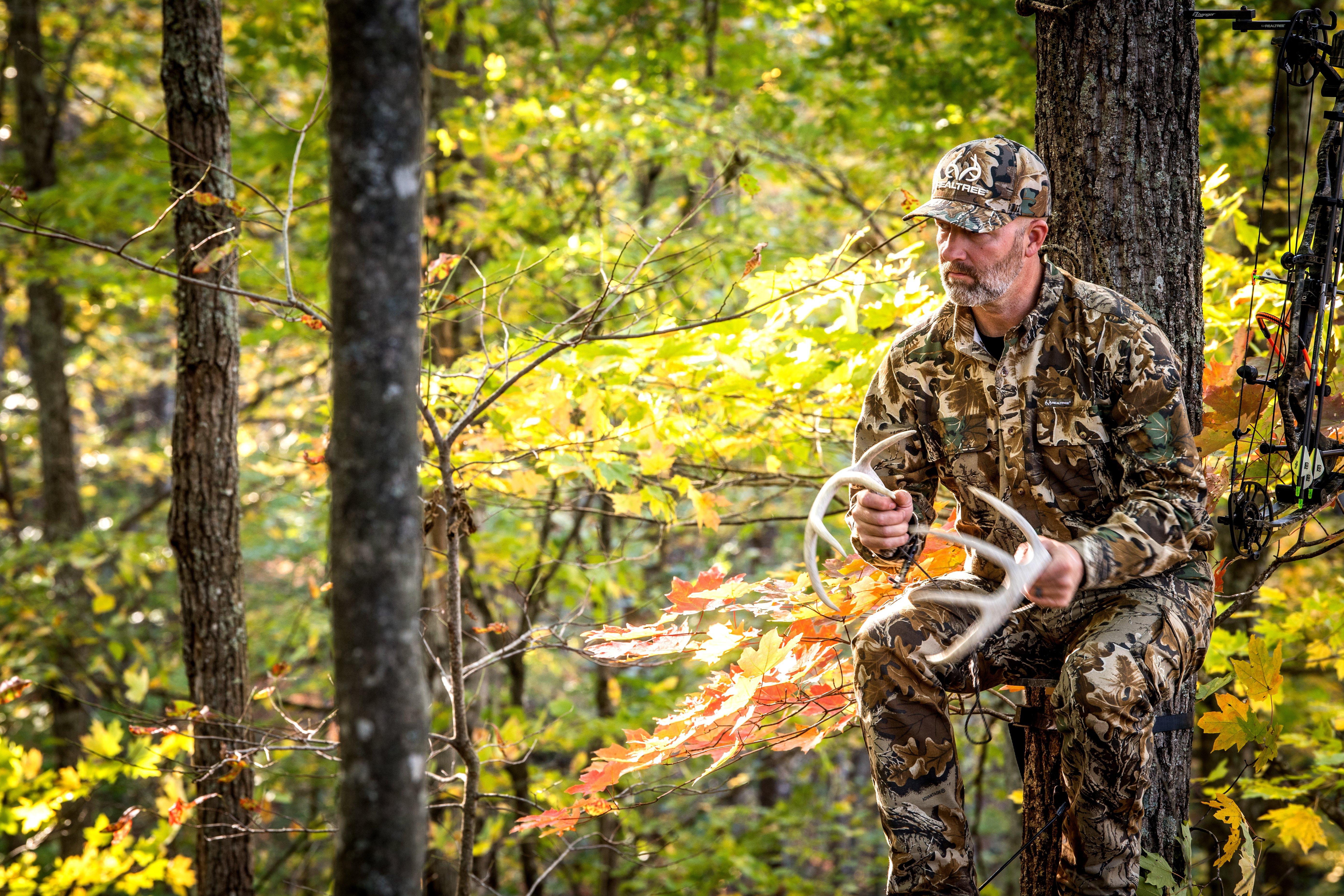
During the October Lull, deer movement does not decrease, but it does change. To experience success, hunters must adjust their tactics. (Photo by Bill Konway)
It happens every year. My summer trail cameras blow smoke from the volume of bucks staging for candid photos. September euphoria fills my soul with eagerness because “I KNOW where these trophy bucks are going.” The anticipation is higher than a boy before his wedding day (sorry, Baby). But then something happens. The weather starts to change, the band blasts Rocky Top every Saturday afternoon, and the monsters that were so eager for a photo-op are nowhere to be found. This, my friends, is the October Lull.
GPS Studies have concluded that the October Lull is actually a myth. Deer movement does not decrease, but it does change. Understanding and adjusting when the leaves first start changing is critical for success during the time of year when many hunters avoid the woods altogether. This is how to hunt the October Lull.
Deer Don’t Disappear – They Shift
In October, several shifts alter deer patterns. Joel Burham is the founder of Whitetail Fit and a Realtree Ambassador. He says it comes down to food sources and cover. “When bucks start to shed their velvet in September, they’re moving their home ranges,” he says. “Agriculture is changing from green to brown, and those food sources are less attractive. Corn is also being harvested and that significantly reduces available cover. This is when deer start moving into the timber.”
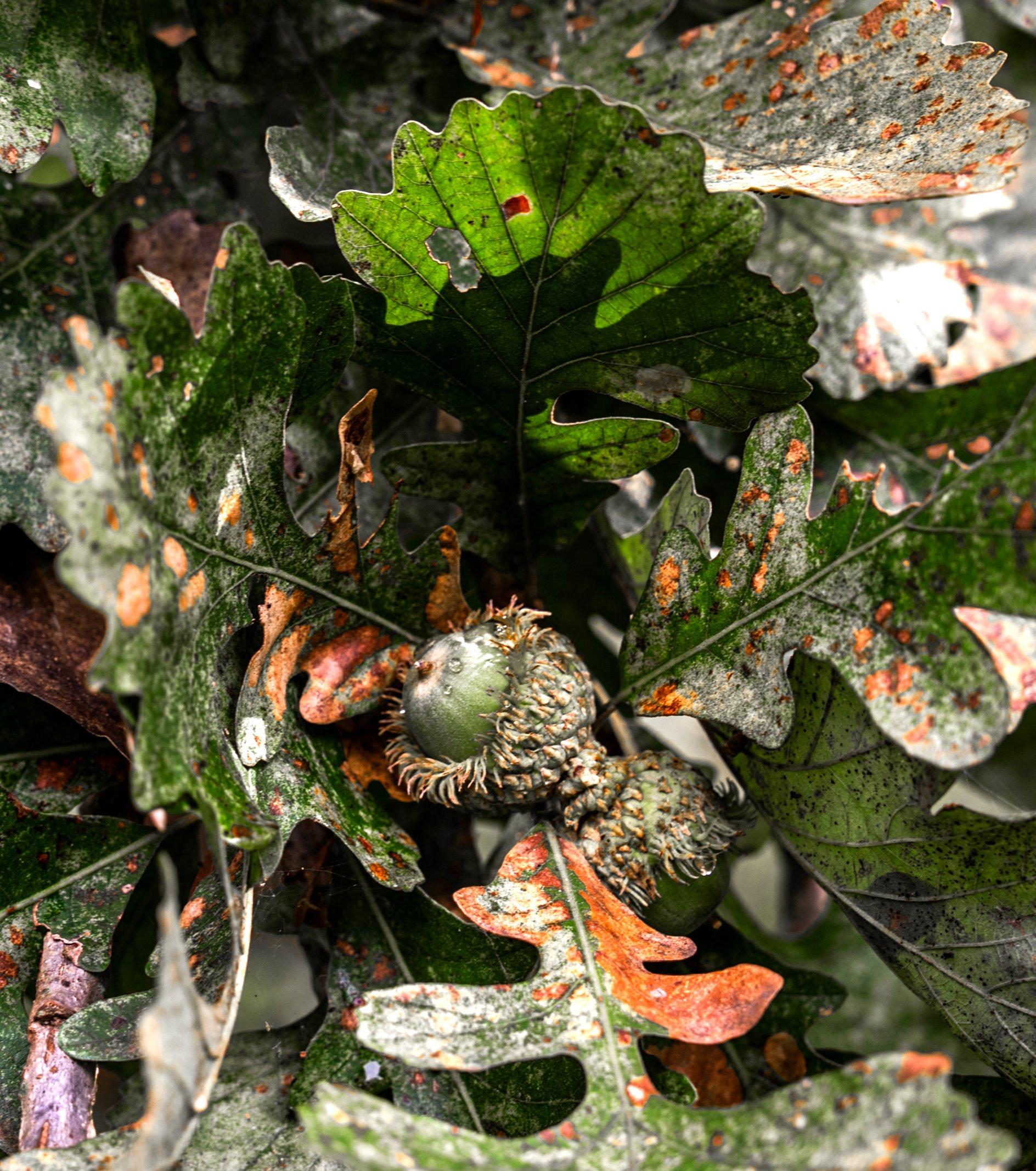
Locate the productive oaks and then scout for bedding and travel routes to and from those trees. (Photo by Realtree)
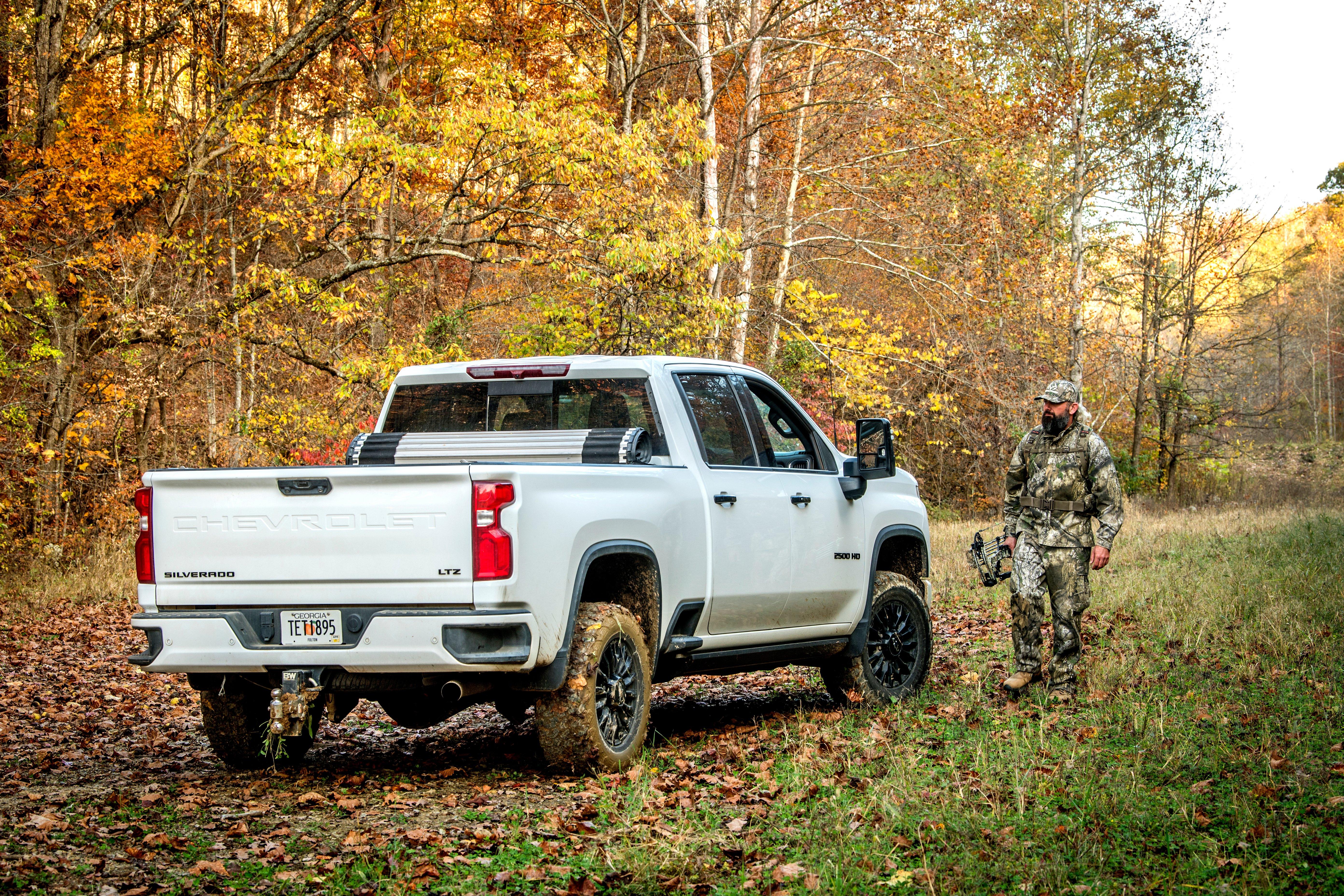
Most archery seasons open by the first part of October. Eager hunters flood the woods with foreign scent and noise, and deer respond accordingly. Squirrel and bird hunting seasons also increase human activity. This change in food sources, bedding areas, and travel corridors can lead many to believe that their trophy buck has moved on, but in sometimes, those bucks haven’t gone far at all.
Don’t Miss: 3 Killer Ways to Get More Bucks on Your Trail Cameras
Find New Food Sources
This section can be summarized in one word: acorns. High in fat, easily digestible, and found in all 48 contiguous states, oaks reign as king in October. Most oaks will start dropping in mid to late September and will carry into November.
Burham says that finding the right tree is crucial. “I don’t know what it is about some trees, whether some acorns are sweeter or contain more moisture, but deer definitely prefer some trees over others. I find those preferred trees and then scout for sign leading up to those trees.
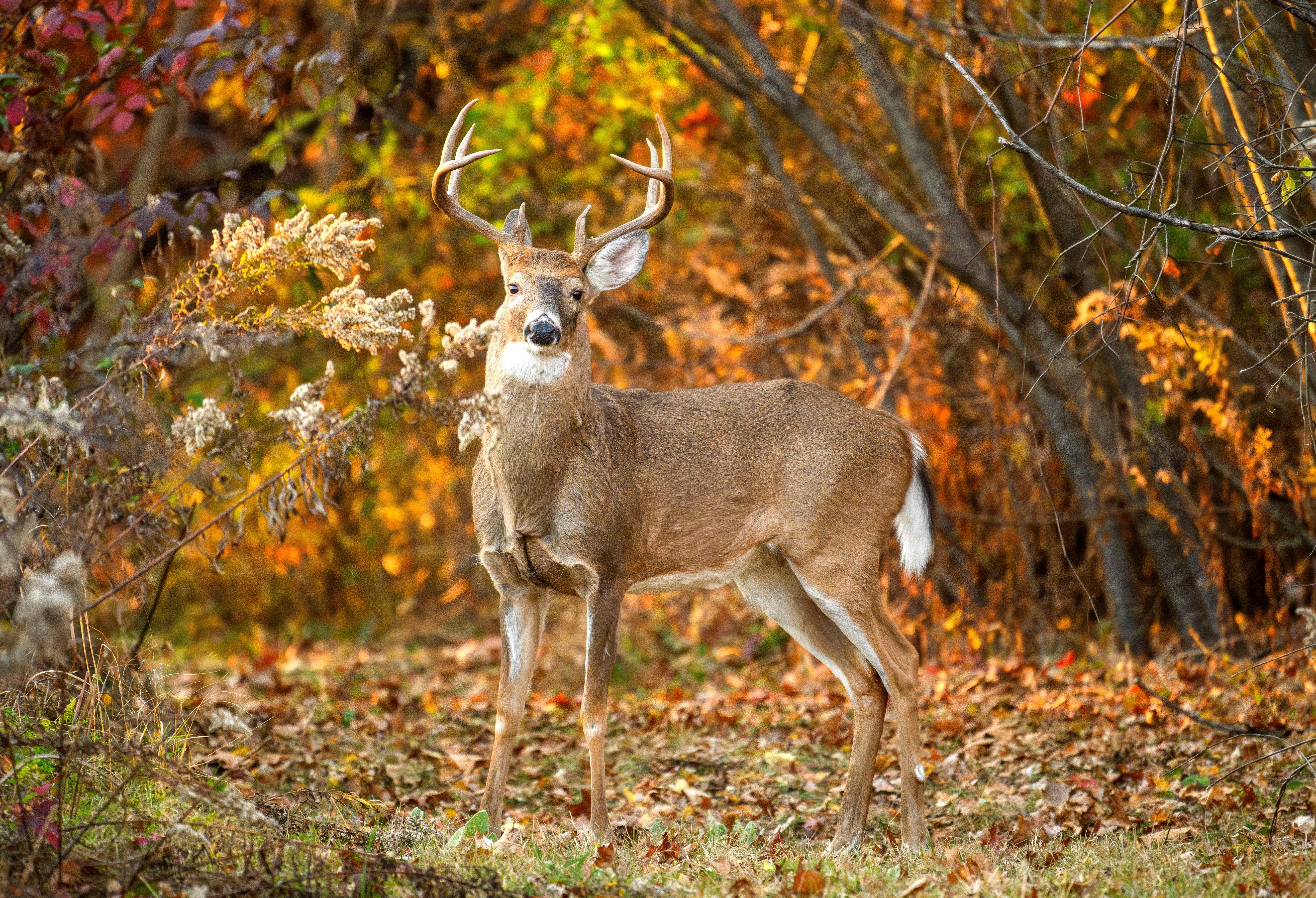
In October, deer movement is more erratic than in the late summer, which makes it more difficult to pinpoint their travel routes. (Photo by Karen Grigoryan)
“Acorns can be good or bad. If your hunting area has a pinch point with a loaded oak tree, that’s an easy place to put a stand or a camera. If there are lot of oak trees, like on a lot of WMAs, it can be hard to pinpoint which trees deer are using.”
He says to be very deliberate when figuring out their preferred routes. “I scout during the season. I want to find all of the main trees that are dropping but then also look for bedding and travel routes to and from those areas. I’m mainly looking for rubs and scrape lines on heavy trails between bedding and active oaks and putting up trail cameras over scrapes to see what age class is using those travel routes. I might hunt the travel route or the actual feed tree once I find a target buck on camera. If does are feeding on a certain tree, bucks eventually will too.”
Be Ruthless with Wind Discipline
During the rut, a buck’s desire to breed may override his caution. But in October, scent care is very important. While the bed-to-oak pattern is still semi-predictable, deer movements are more erratic than they are in the late summer and that makes it harder to know their travel routes.
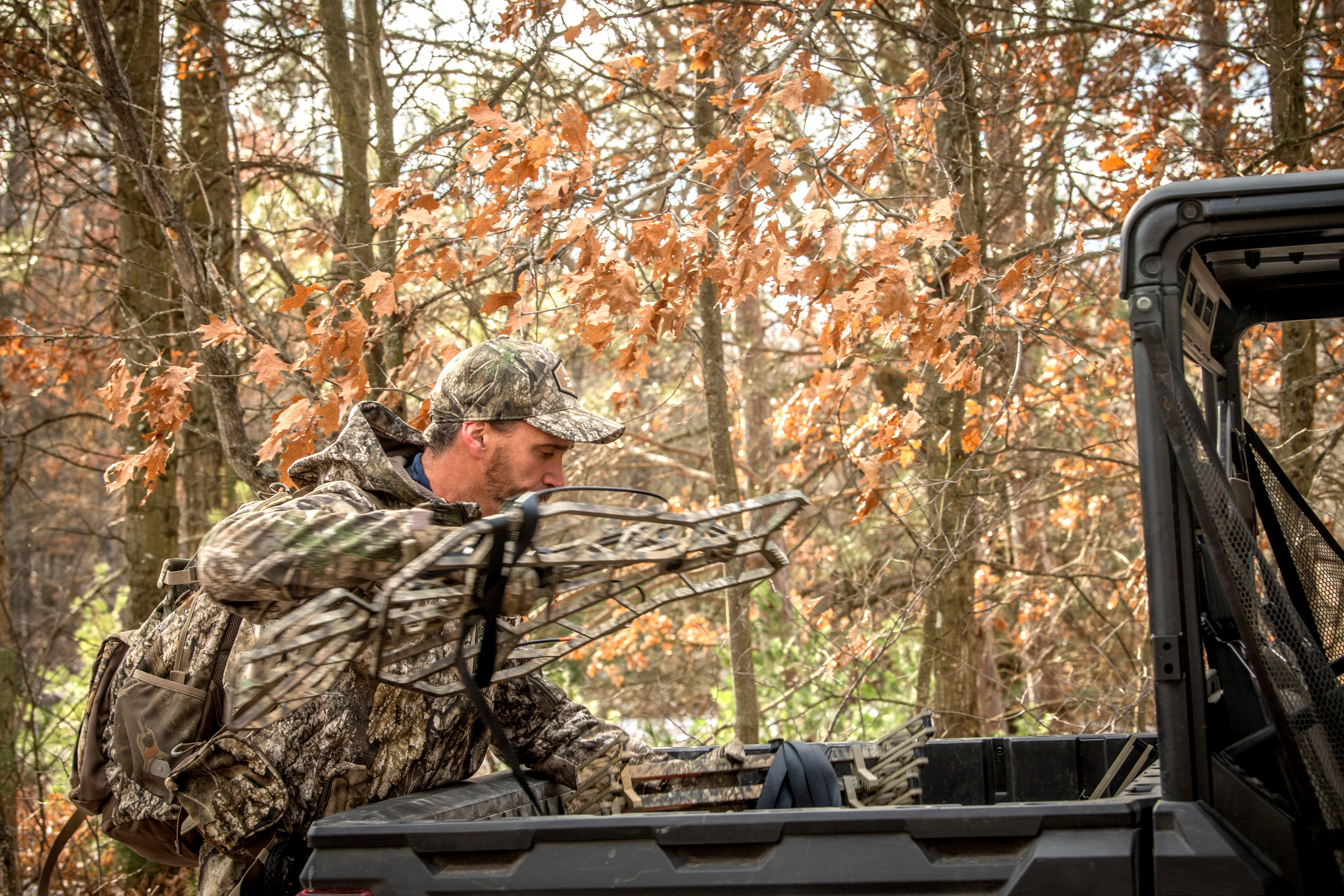
Deer often change their behavior when hunters flood the woods in October, but chances are, they haven’t gone far. (Photo by Bill Konway)
Burham waits for the right day to scout travel routes and he’s careful about accessing feeding areas. “I wait for windy or rainy days to scout for oak trees and travel corridors. You don’t think about those days as good hunting days, but they are great scouting days to find out which areas deer are using and to put up a camera over a scrape.
“I’m also very careful about hunting over a feed tree,” he says. “Sometimes you have to be in the stand earlier than you want and stay later than you want to let deer feed out or move out of an unfavorable wind. There have even been times when I have thrown a stick to spook a deer or made a coyote sound to move them out if I had to get down. That’s obviously not ideal, but I think both are better than a human spooking them.”
In addition, set up multiple stand locations for each honey hole, and never hunt a marginal wind. Avoid areas where winds can swirl, like draws, creek bottoms, or narrow valleys. Instead, try to find stand locations on ridges or open field edges. Big timber flats with consistent winds also produce reliable breezes. If you hunt in hill country, learn how the thermals change throughout the day, and always take them into consideration. A shifting thermal is a tried-and-true way of getting busted. If you do get blown out, avoid that location for a week or two before going back.
Deer start moving into the timber as crops change from green to brown, and those food sources are less attractive. (Photo by Bill Konway)
Don’t Miss: Giant Bucks on Tiny Properties
Focus on Scrapes
“I love hunting on scrapes and rubs,” Burham says with some zeal. “You can kill a giant over a scrape in the October Lull, mainly because they’re such a great place for hanging a camera and monitoring the inventory in an area and knowing if that area is one you want to hunt.
“I make a lot of mock scrapes, and there are a couple of things I look for. One, you want to find natural sign. I’m not going to put a mock scrape in a random place without much deer activity. I want them in a spot where I can set up a shot or put up a camera.
“I also prefer locations in the shade because that soil will retain moisture and hold scent much longer throughout the day. It will see more activity as a result. After I remove all of the vegetation, I use the back of my climbing sticks to fluff the dirt and hang a green maple or oak branch over it if there isn’t already a licking branch. Lastly, I pee in in all of my mock scrapes. After about 20 minutes, the human scent is gone, but the ammonia stays, but a mock scrape isn’t truly activated though until deer start using it.”
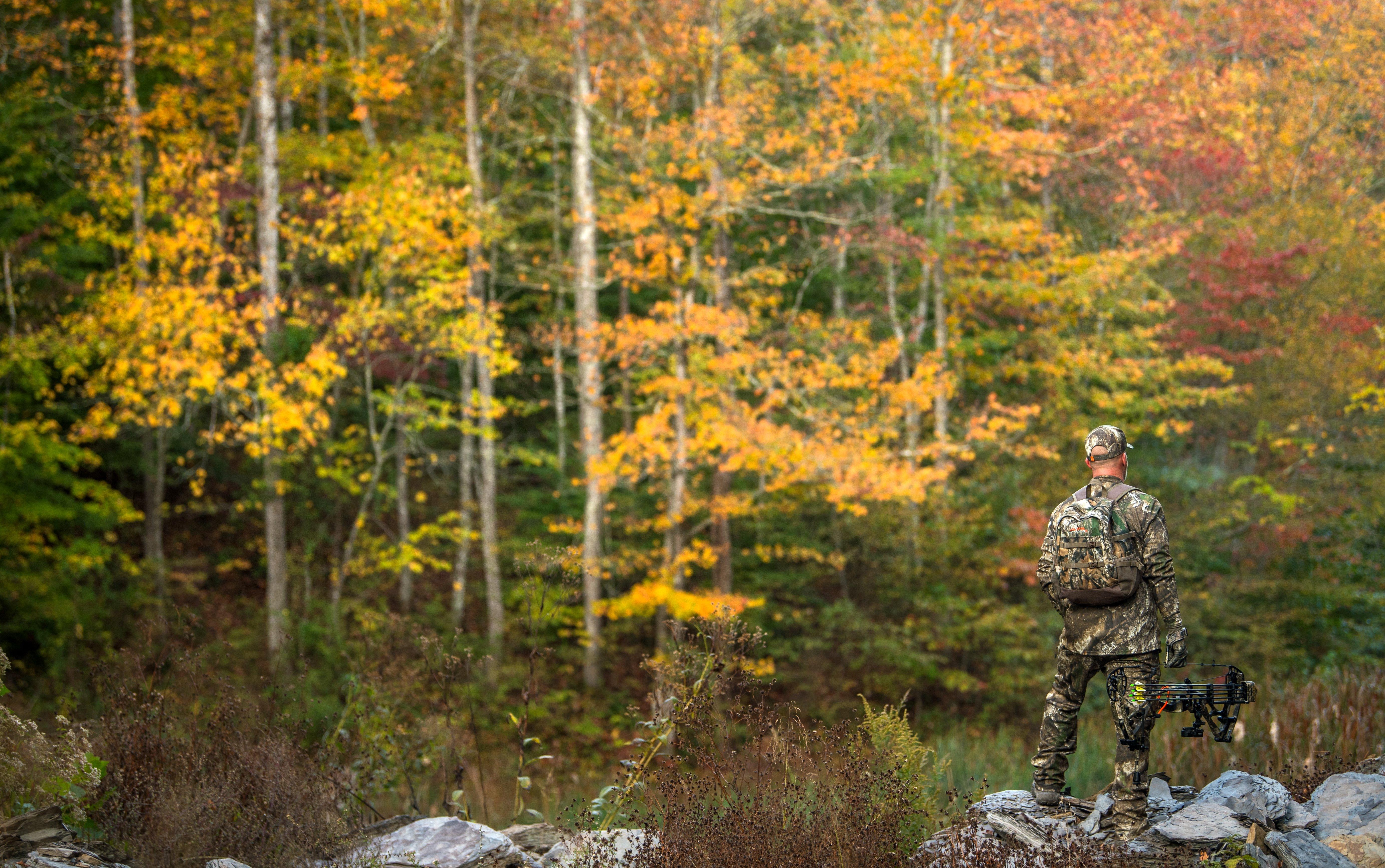
Don’t hunt in areas where winds can swirl, like draws, creek bottoms, or narrow valleys. Instead, look for stand locations on ridges or open field edges. (Photo by Bill Konway)
Hunt the Front
To summarize Burham’s October tactics, he wants to set the trap earlier in the season through scouting and trigger it the day the mercury drops. “October cold fronts are deadly,” he says. “When the temperature drops 10 or 20 degrees overnight, all of my cameras start showing increased daylight activity, especially 3 ½ to 5 ½ year old bucks. It just activates them. They won’t be moving midday like during the rut, but they will stay out longer in the mornings and come out earlier in the evenings, and they move more. Ideally, I’ve already found feed trees, travel routes, and bedding and then wait for a big front for the deer to get the deer moving. In my opinion, this is the best time of year to kill a mature buck.”
As October transitions into November, all bets are off. The rut throws caution to the wind and can lead to some unexpected deer activity. That’s why it’s so fun. But don’t sleep on October. While pinning down a bruiser can be challenging, using the right tactics makes this time of year as viable as any other. If the weather drops overnight with a northwest wind, you better be hunting regardless.