6 Essential Skills for Duck Hunters
Posted 2026-10-16 by
How do you rate as a waterfowler? Much of that depends on how well you master these abilities
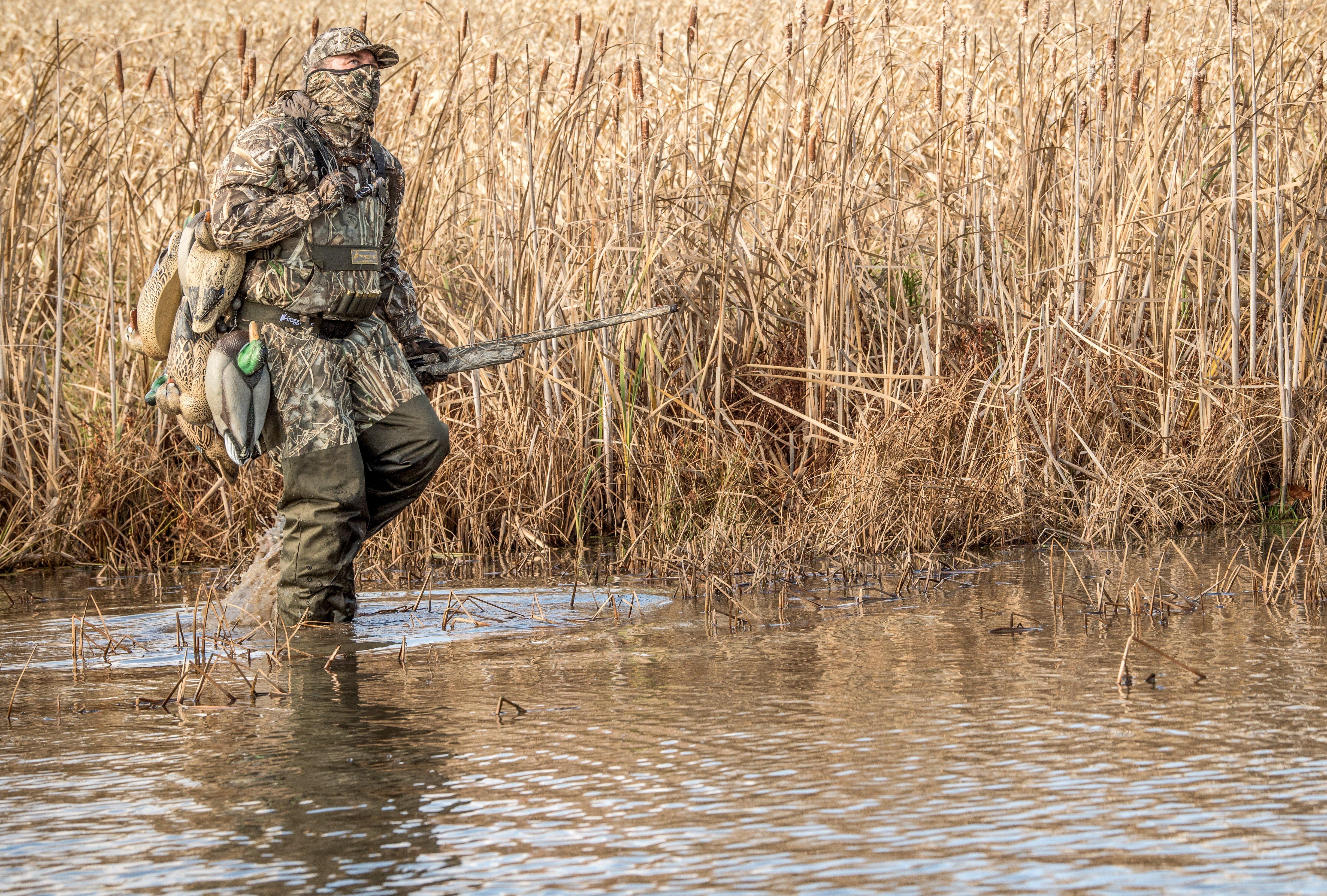
A well-rounded duck hunter can often assess a situation and set up a solid strategy. Photo by Bill Konway.
You’ve probably met a duck hunter who amazes yet annoys you. You know, a guy who seems to consistently scratch out limits no matter the conditions or scenario.
It’s not that you’re a bad duck hunter. That guy just seems to be a bit better. And it’s likely because he’s mastered several critical duck hunting skills — abilities that make a big difference when the hunting gets tough and full straps are scarce.
Some of those skills are difficult to quantify. Others must be honed through constant learning and repetition. But they all matter, and mastering them will make you a better duck hunter.
Knowing what you’re shooting at before you pull the trigger is extremely important. Photo by Arcaion.
DUCK IDENTIFICATION
Some folks might question why ID skills are important. After all, most hunters can look at a drake mallard on a sunny day and know that it’s not a pintail, gadwall or wigeon. However, accurately identifying ducks during various conditions can dictate how you set up, and when — and when not — to shoot.
When we talk ID, it means identifying flying ducks. Practically anyone can shoot a random bird and determine its species and sex after it’s in hand. Good hunters pick out flight, plumage and body features on ducks before they’re in range. Doing so helps them avoid accidentally overbagging on lower-limit species such as bluebills and black ducks. Likewise, it eliminates confusion as to whether they can shoot without risking an infraction.
Don’t Miss: Double Your Duck Stamps for Conservation
How to improve: No secrets here. Good waterfowl identification guides, such as Waterfowl Identification: The LeMaster Method, by Richard LeMaster, provide excellent tips on duck identification and flight characteristics. After that, though, you must go afield and observe ducks in their natural environment. Ideally, choose a spot and situation that lets you view several species of ducks, such as a refuge during the spring or fall migration. Note how puddlers look different than divers on the water, and how their wingbeats differ in flight. Try to identify ducks as they swim, and then study them as they take wing. Challenge yourself to make tricky ID calls, such as differentiating a hen ringneck from a hen redhead. After a few sessions, you’ll be much better at making identification calls at a distance.
Oh, one more note: If you’re unsure about the identity of an incoming duck, hold fire.
After several seasons of scouting certain types of areas, you get a feel for spots that often hold ducks. Photo by The Fowl Life.
SCOUTING
You can’t shoot ducks if you can’t find them. Sometimes, that’s easy, like when you drive by a large lake and notice fresh divers rafting in open water. Many days, it requires far more effort, such as glassing or personally scouting multiple locales to find a roost or hot feed.
Scouting nowadays is easier than ever, thanks to online mapping apps. Years ago, you had to scour paper maps or get an inside tip to find good spots. Now, you can identify many potential areas long before the season and create a checklist of areas to visit before opening day. Consistent follow-ups then let you eliminate unproductive spots and note good possibilities.
How to improve: Don’t spare effort, whether that involves driving around a large lake and glassing at multiple spots or hiking into remote potholes or backwaters to see if they hold ducks. That work and the experience it creates will separate you from folks who simply hit a random wildlife management area Saturday morning.
When scouting dry fields, first locate water roosts, such as large lakes, rivers or refuges. Then, observe birds as they fly out to feed, and try to follow them. On large waters, check leeward bays and points, or watch for birds during early mornings or late evenings. For small waters, get off the road, and glass or walk into the spot to note activity. After a few seasons of working the same area or similar country, you’ll start to get an instinctive feel for spots that might attract birds and those that don’t.
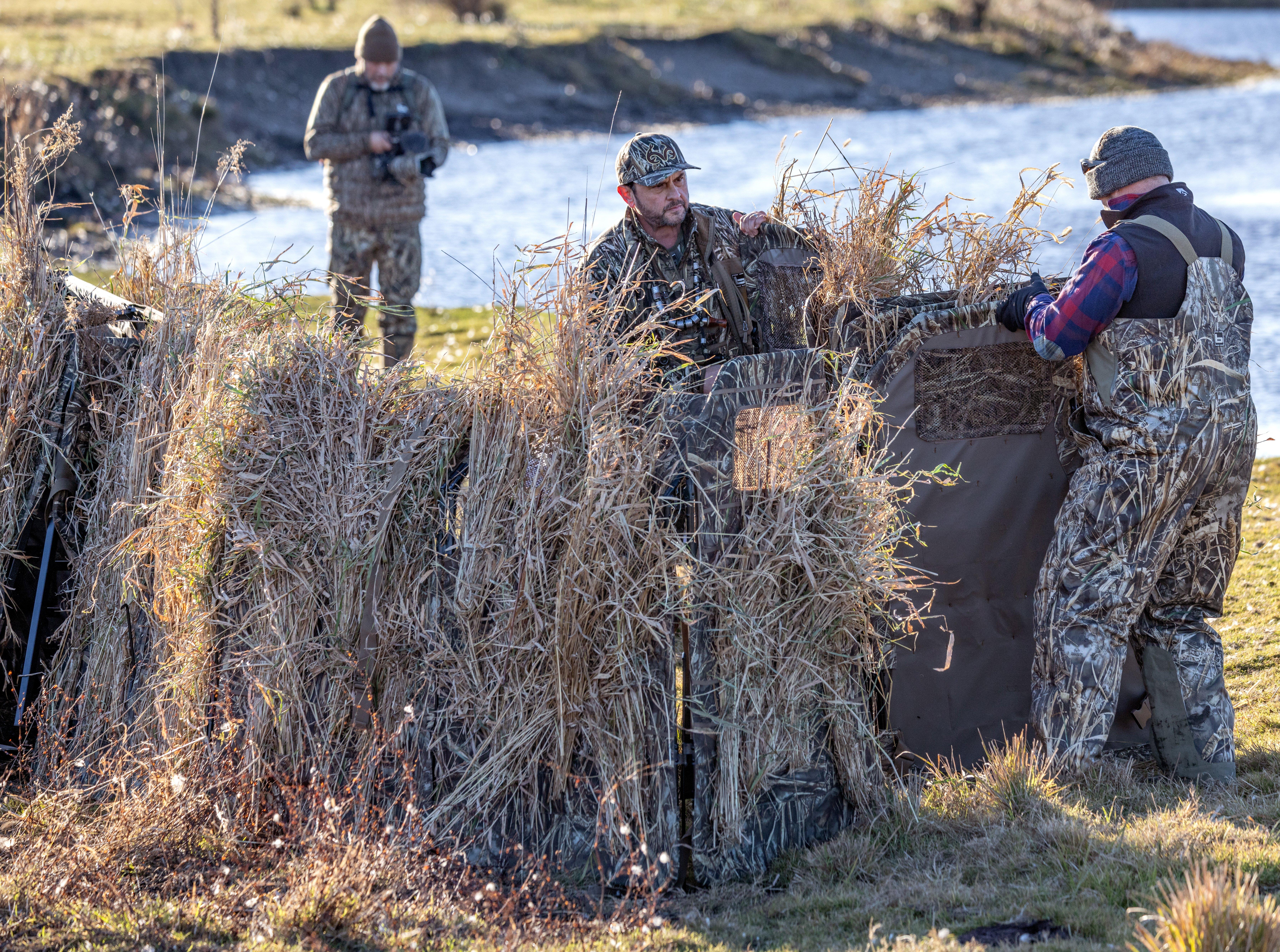
Ducks simply won’t commit to your setup if you’re not hidden. Photo by Bill Konway.
CONCEALMENT
If you ain’t hidden, you ain’t shooting. Ducks and geese simply won’t commit to an area unless the situation looks natural and they don’t sense danger.
Some days, hiding from ducks is as simple as hunkering down in some cattails and not looking up when birds fly overhead. During other hunts, you’ll have to work hard to construct an elaborate ruse. Master the basics: Hide your movement and shiny face from ducks, and don’t hide in such a manner that birds can stare at you and pick you out.
Don’t Miss: Answered: 6 Questions About Wood Ducks
How to improve: First, keep it simple. When possible, keep the sun at your back, and use any natural cover available, whether that’s a lakeside rock pile, a brushy fence line or a bulrush-choked point. Make sure your outline is concealed. Moreover, use cover to eliminate the “black hole” — that empty space ducks see when they pass over your blind or boat. Consider setting up with a crosswind across your decoys so approaching birds are looking at water instead of your boat or blind.
Go overboard on cover and concealment, whether that means taking hours to brush in a shoreline blind or using a gas-powered weed whacker to cut ditch grass to pile atop layout blinds. Before shooting hours, step outside of your hide and critique it. Does anything look out of place or unnatural? Fix it. Take five more minutes to cover any bare spots. And remember, when you think your cover might be sufficient, you’re usually only about 50% there.
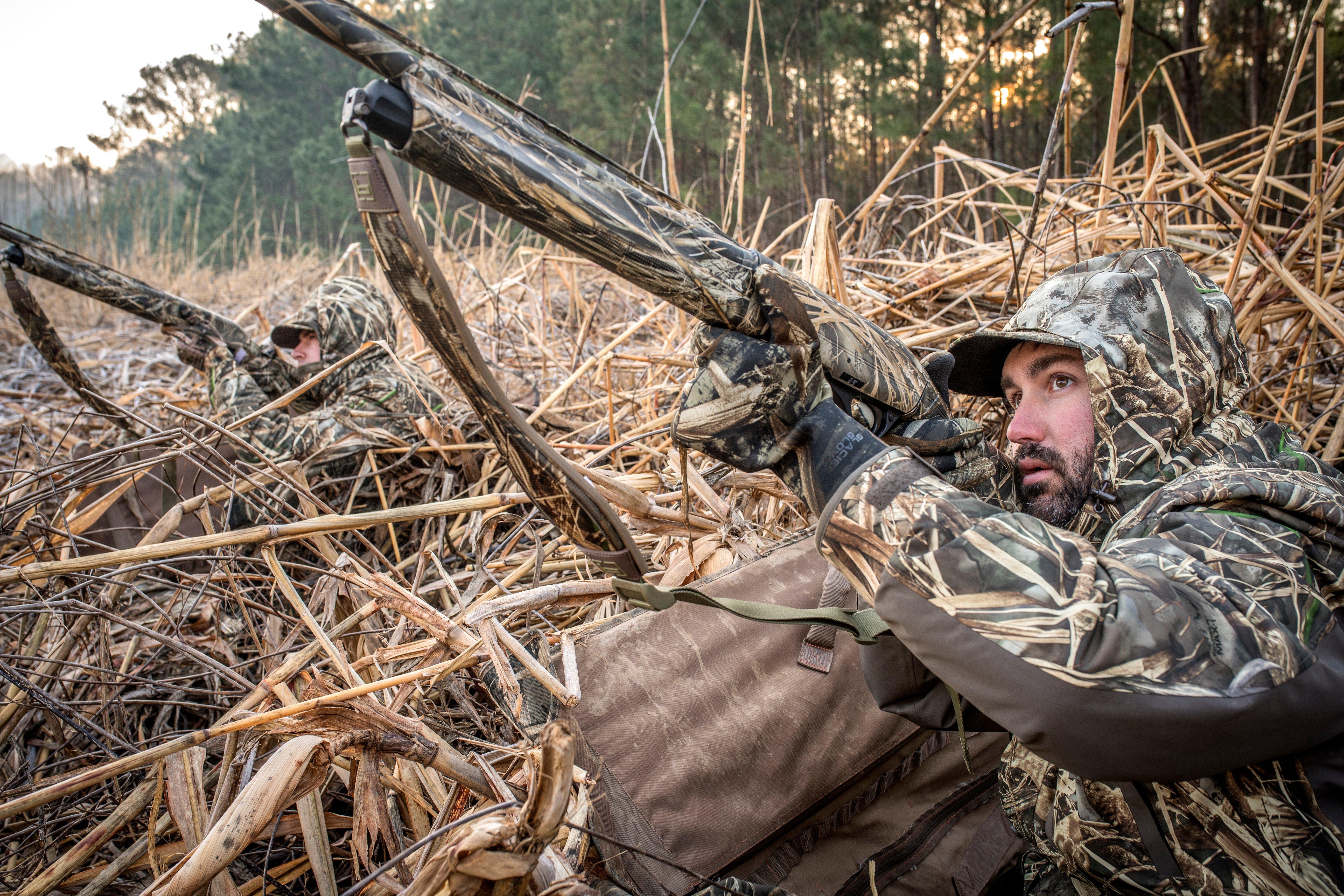
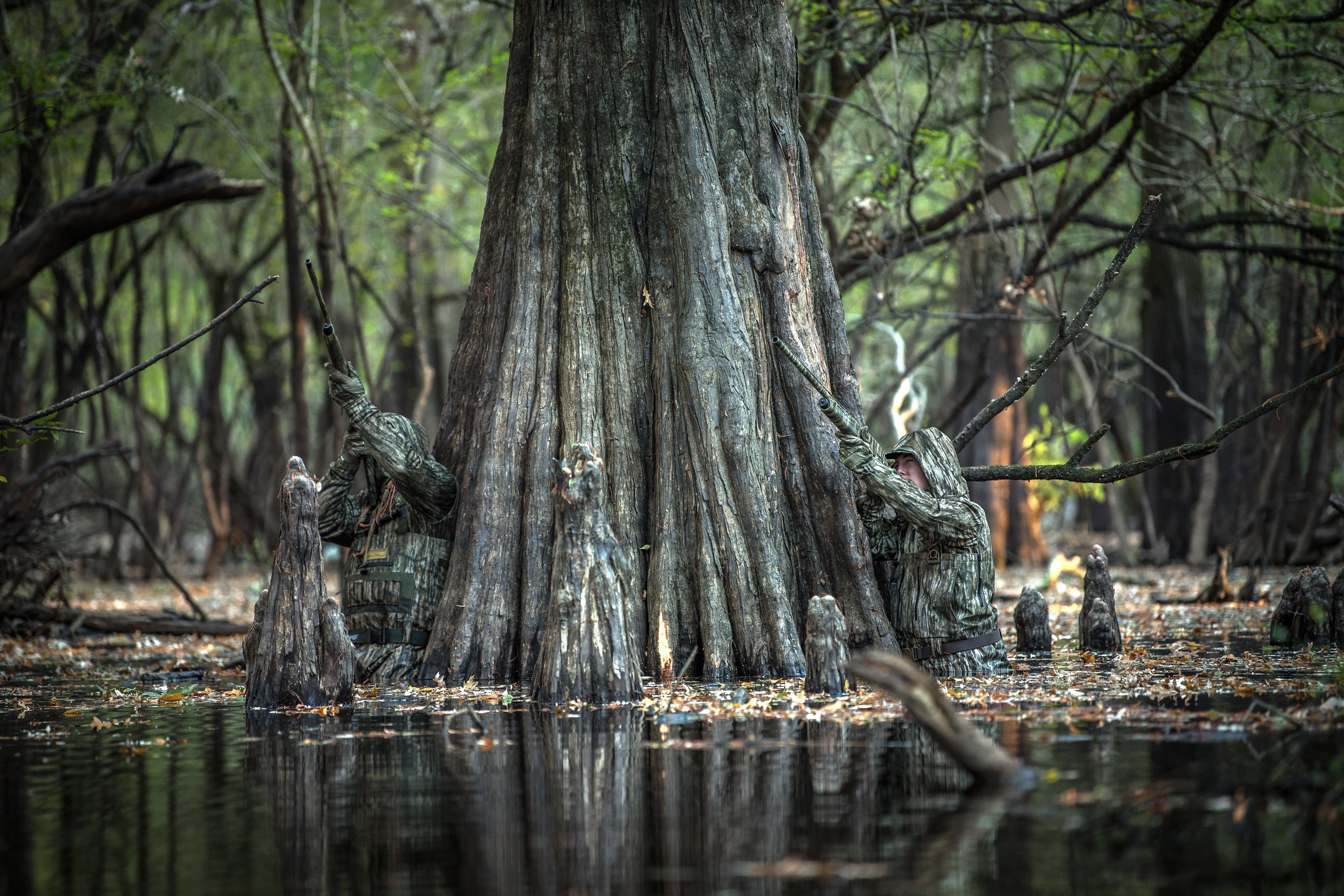
When the pit boss says “take 'em,” be ready to pick out a target and follow through. Photo by Bill Konway.
SHOOTING
The most basic act in duck hunting can seem like the most difficult. Ducks are fast and agile. And during hunting situations, you’re often off-balance or wearing awkward-fitting clothing. Combined, those factors can turn a relatively simple skeet-like target into three shots of frustration.
Duck hunters must master several basic shots, including incomers, outgoers, overhead targets, crossing targets and tricky quarter-angles. You must do so while simultaneously rising into shooting position, shouldering your gun and getting on a bird. And if you miss — and you will — you’ll have to recover quickly and acquire a new target.
Pure wing-shooting acumen is great, but successful duck hunters must also help themselves by calling the shot correctly and setting themselves up for relatively easy shots. The former comes from experience; the latter stems from good setups and realistic decoy spreads that entice birds to finish.
How to improve: You have the entire off-season to shoot. Do it. Shoot trap. Shoot skeet. Shoot five-stand and sporting clays. Grind that repetition into your muscle memory until the act of shouldering and firing your gun is instinctive. If you suck at certain targets, work on them. Seek advice from more experienced shooters.
Further, observe ducks as they offer shots, and learn from experience when to take them or wait a split-second. There’s no need to pop primers at passing birds when they would have parachuted into your blocks. Conversely, there’s no sense waiting to shoot at a streaking redhead when it’s blazing over your blocks and headed away. Only time in the marsh can let you time shots well.
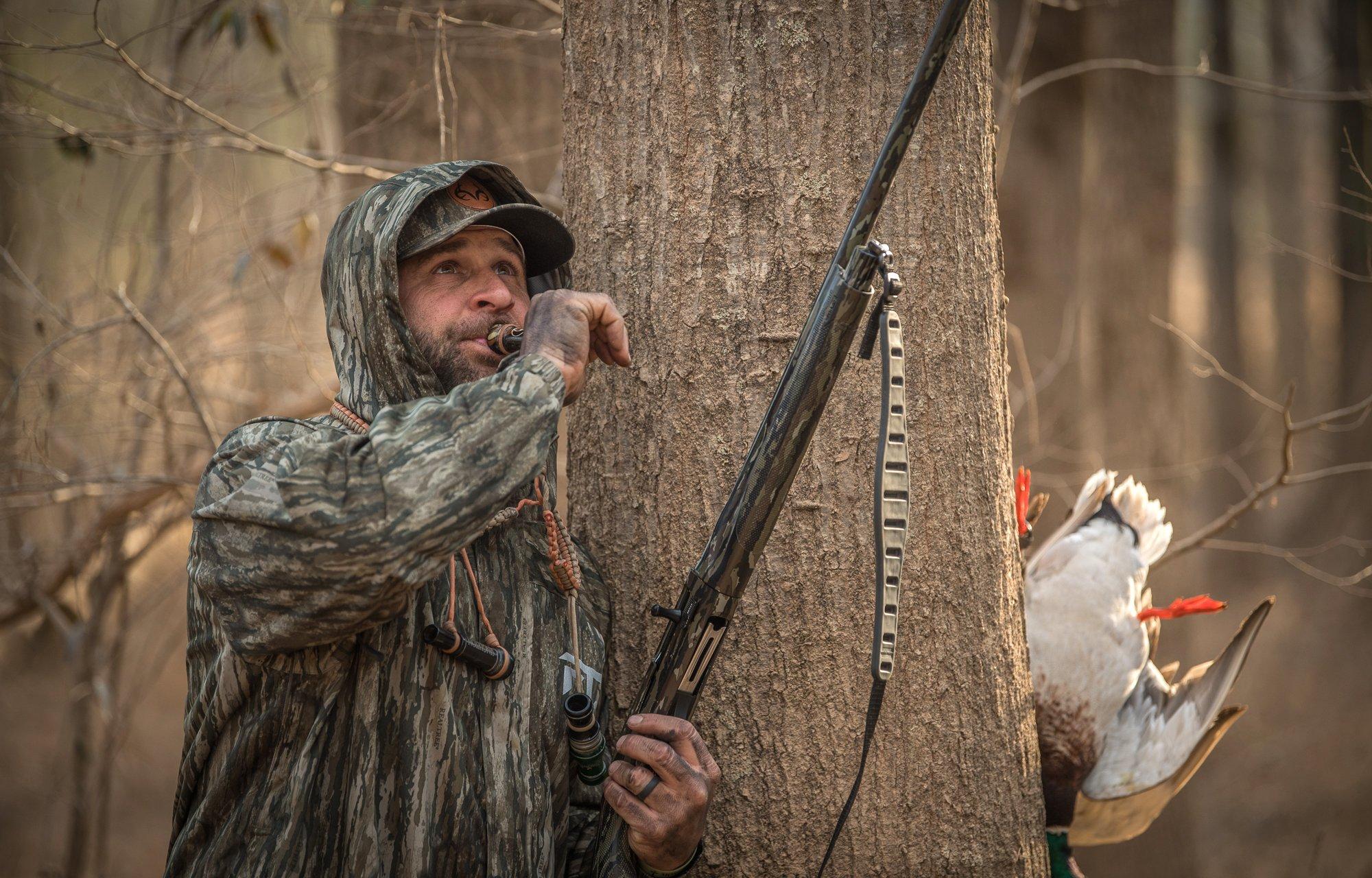
Realistic duck calling helps bring birds close, especially in situations when ducks are trying to locate each other via sound. Photo by Bill Konway.
CALLING
Disclaimer: Duck calls are cool, but you can kill a lot of ducks without calling (unless you’re in green timber). However, good calling in the right situation will never hurt you. And savvy calling can sometimes be required to convince a group of wary mallards that your decoys are real ducks.
You’ll want to master basic hen mallard vocalizations on a variety of calls, including single- and double-reed models. Further, it pays to learn the sounds of other ducks — pintail and wigeon whistles, drake green-winged teal peeps, blue-winged teal quacks, drake mallard “gweeps” and gadwall blats. And as mentioned, when you call is usually more important than how good you sound. Conventional wisdom holds that you should call just enough to get ducks interested and then hold that interest. If they’re coming at you, be quiet. If they circle and slip to the corners of your spread going away, hit them with a little more. Always note how they react to calling and adjust.
Don’t Miss: 10 Reasons Why You Suck at Calling Ducks
How to improve: Listen to ducks, and practice calling a lot. That’s never been easier, as you can find countless quality sound files and calling tutorials online. That’ll get you started with basic air control, sound quality and rhythm. Then, listen to live ducks, and strive to mimic them instead of other callers. Remember, you’re not trying to win a contest. When hunting, you’re just trying to convince a duck that your setup is real and natural, and you’ll only do that by sounding like a duck.
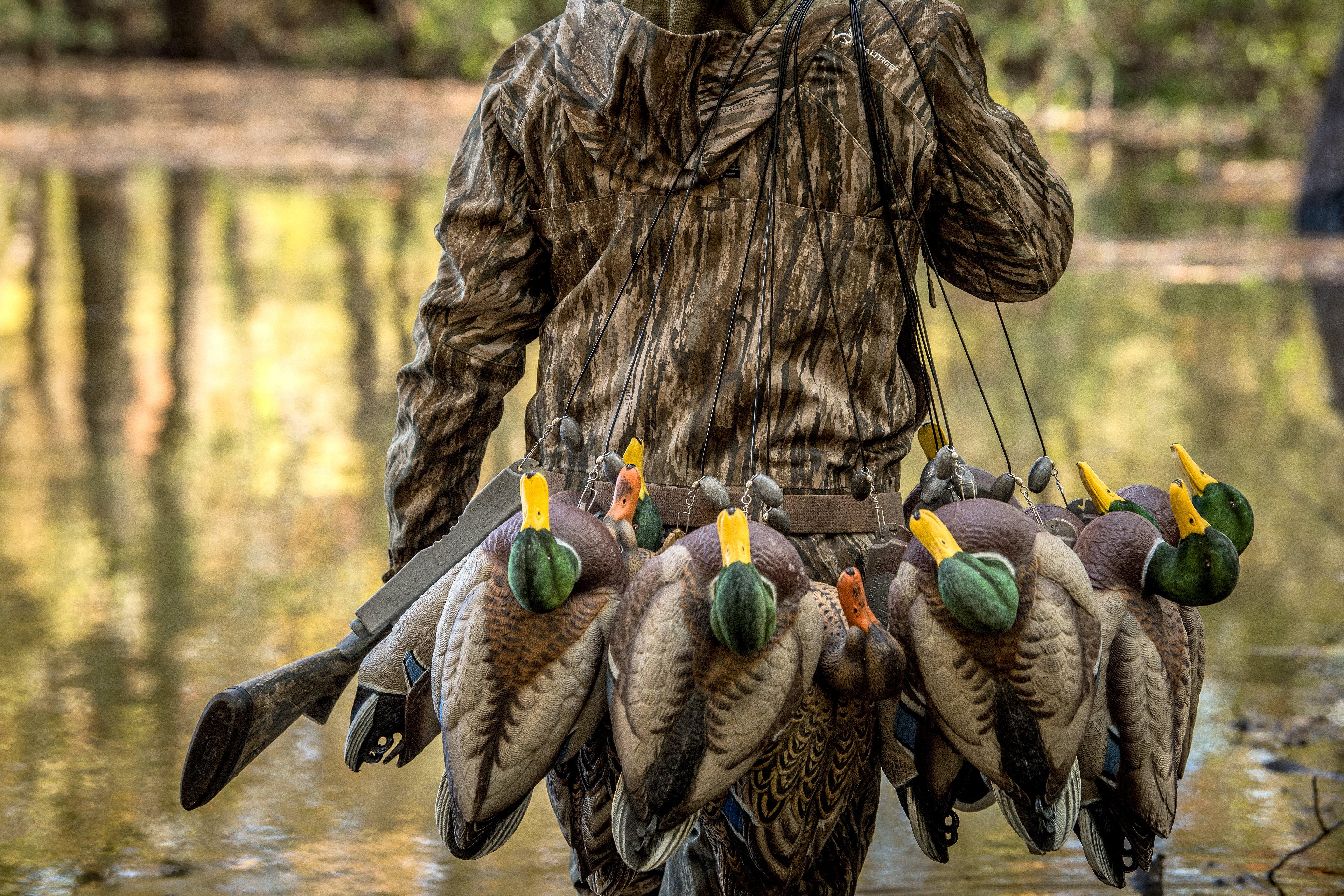
When ducks throw you a curve, be ready to react with a solid plan. Photo by Bill Konway.
TROUBLESHOOTING
Visualizing what approach and setup might work to attract ducks, and the sense to note when you must change tactics, are intangible skills. That can be straightforward, like gauging the wind to predict where birds might pile up after feeding. But it can also be subtle, as when ducks seemingly exhibit a sixth sense about your setup and shy away.
Whatever the situation, you should always be critical of your situation, and don’t be afraid to change things — even if it requires work and sacrifice. Pulling spinning-wing decoys or moving setups at midmorning is a real pain, but it beats watching ducks from afar.
How to improve: Always remain inquisitive while hunting, and observe everything ducks do. Note their behavioral tendencies during various weather conditions, and watch their flight patterns during different wind directions. Observe how they react to hunting and boating pressure. Constantly question your concealment and decoy spread, and switch things up if ducks don’t respond well. Obviously, this skill is based entirely on knowledge, experience and observation. It might take years to hone. But after a few seasons, you’ll start to predict more productive setups and pinpoint the causes of tough hunting, and you’ll find success when others struggle.