Answered: 6 Questions About Wood Ducks
Posted 2026-10-01 by
These unique birds present specific challenges. Knowing the solutions will help you this fall
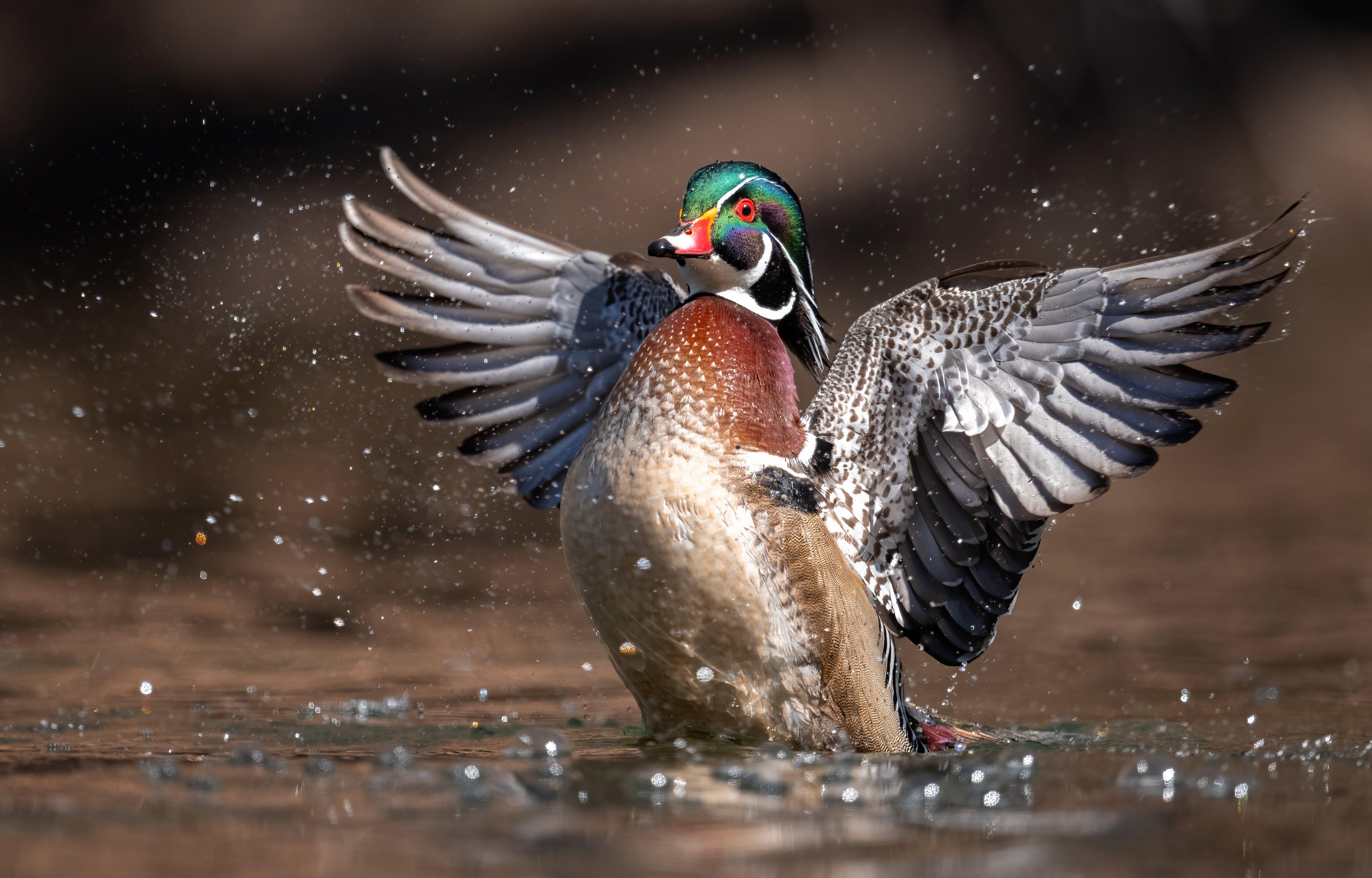
Hunters took almost 2 million wood ducks during 2025-2026, the vast majority of which came from the Atlantic and Mississippi flyways. Photo by Harry Collins Photography.
If you hunt east of the Mississippi River, your early season adventures will probably involve wood ducks.
And that’s welcome news. After all, wood ducks are gorgeous birds and sporty targets, and they taste great. But let’s admit that North America’s only perching duck is a bit different than other waterfowl. As such, hunting approaches for wood ducks sometimes vary slightly from standard strategies. These quick tips might help you score a strap of woodies this season.
Don’t Miss: Double Your Duck Stamps for Conservation
What’s the No. 1 hunting tactic for wood ducks? Easy. Be where they want to be at first light, and be ready. Avoid hunting roosting waters. Instead, focus on likely feeding and loafing spots, such as timber-lined sloughs, river backwaters, small streams or creeks, or even harvested ag fields. Strive to be right on the X or along a flight path between a roost and the X, as wood ducks usually go from point A to point B on a mission. You won’t have much success trying to traffic them.
Obviously, finding hot areas is the key, so thorough pre-season scouting is a must. Often, that requires a few early morning glassing sessions. Some spots produce year after year. Others vary, mostly based on the availability of acorns or other mast. After you locate the X, find or create a hide with good cover, set out a simple spread (more on this later), and make the most of the first 30 to 60 minutes.
Do wood duck decoys boost your spread? Not really, in my experience. They don’t hurt, and they look pretty on the water. But again, wood ducks typically want the destination and are not overly swayed by decoy spreads. Depending on the size of the area you’re hunting, a handful of random puddle duck decoys usually suffices for woodies.
Don’t Miss: Avoiding 7 Duck Hunting Setup Sins
Does calling work for wood ducks? In my experience, no. Sure, woodies can be very vocal in the air and on the water, but there are two main problems with standard wood duck calling approaches. First, as mentioned, woodies typically want to go directly from the roost to a feeding/loafing spot, and calling usually won’t change their minds. Second, most folks use wood duck calls incorrectly, blowing the famous “hoo-eek” sound woodies utter when they fly. To paraphrase Phil Robertson from years ago, why would you blow a flying sound at flying birds and expect them to approach? If you’re going to call to wood ducks, focus on their sitting and resting sounds. You can find several good tutorials online.
When is the best time to call the shot on wood ducks? When they pass within range. Don’t pass up a decent shot in hopes of getting a gimme. Woodies won’t circle your spread endlessly like mallards or gadwalls. If you’re where they want to be, they’ll often finish like champs. But if you’re just near the X or along their flight path, don’t expect them to swing around and charge your decoys like a bluebill would. That 35-yard crossing shot will likely be your best chance, so be ready to take it.
Don’t Miss: 2026-2027 Mississippi Flyway Duck Hunting Forecast
What’s the best recipe for wood ducks? Woodies rank among the top-tasting ducks in North America, so I use a very simple cooking approach. I’ll take the breasts and legs from early season birds and let them age for a few days in the fridge. Then, I soak the meat for a few hours in a marinade of equal parts olive oil and soy sauce, the juice from one lime, and a big squeeze of garlic. Grill them hot and fast until the meat has a hot pink center. The result will be some of the best duck you’ll ever eat.
Is that beautiful drake wood duck worth mounting? Maybe. Or maybe not. Be extremely careful and picky. Even colored-out early season birds will have lots of pinfeathers, which are still actively growing and make it difficult to produce a quality mount. Check birds meticulously for pinfeathers. Or better, have a veteran taxidermist examine the bird to get an expert opinion. You might not like his answer, but it will save you money and heartache in the long run.