Fishing the Fall Mullet Run
Posted 2026-09-23 by
Action on the beach and inshore can be incredible for tarpon, redfish, and snook once the mullet begin their autumn migration
The scene is unlike any in inshore fishing. Monster fish froth the waters as they crash through clouds of bait. Anglers jockey to get their lures past sharks, birds, and bonita, where the hardest fighting gamefish engulf their offerings. Tackle is tested to the extreme. It’s official: the mullet run has begun.
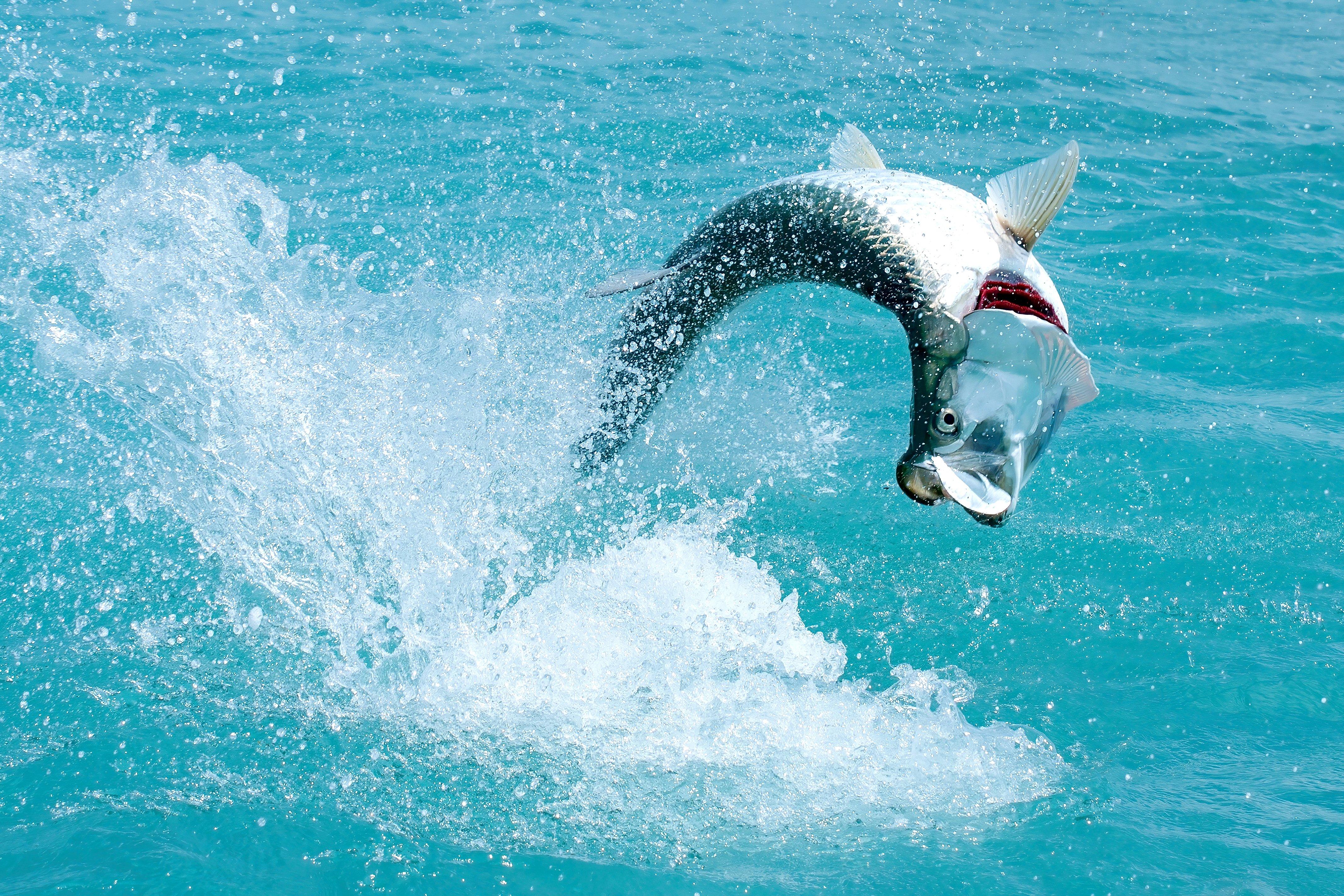
Savvy anglers know that the fall mullet run brings with it some of the most intense saltwater action to be found. Image by Dave Irving
For generations, East Coast anglers have anticipated the best fishing of the year, patiently waiting for summer to turn to fall and the mullet to show. Some years, it’s a trickle. Others, a flood. But when it happens, its unmistakable. Millions, maybe billions, of mullet begin a migration to the southern waters of the Atlantic.
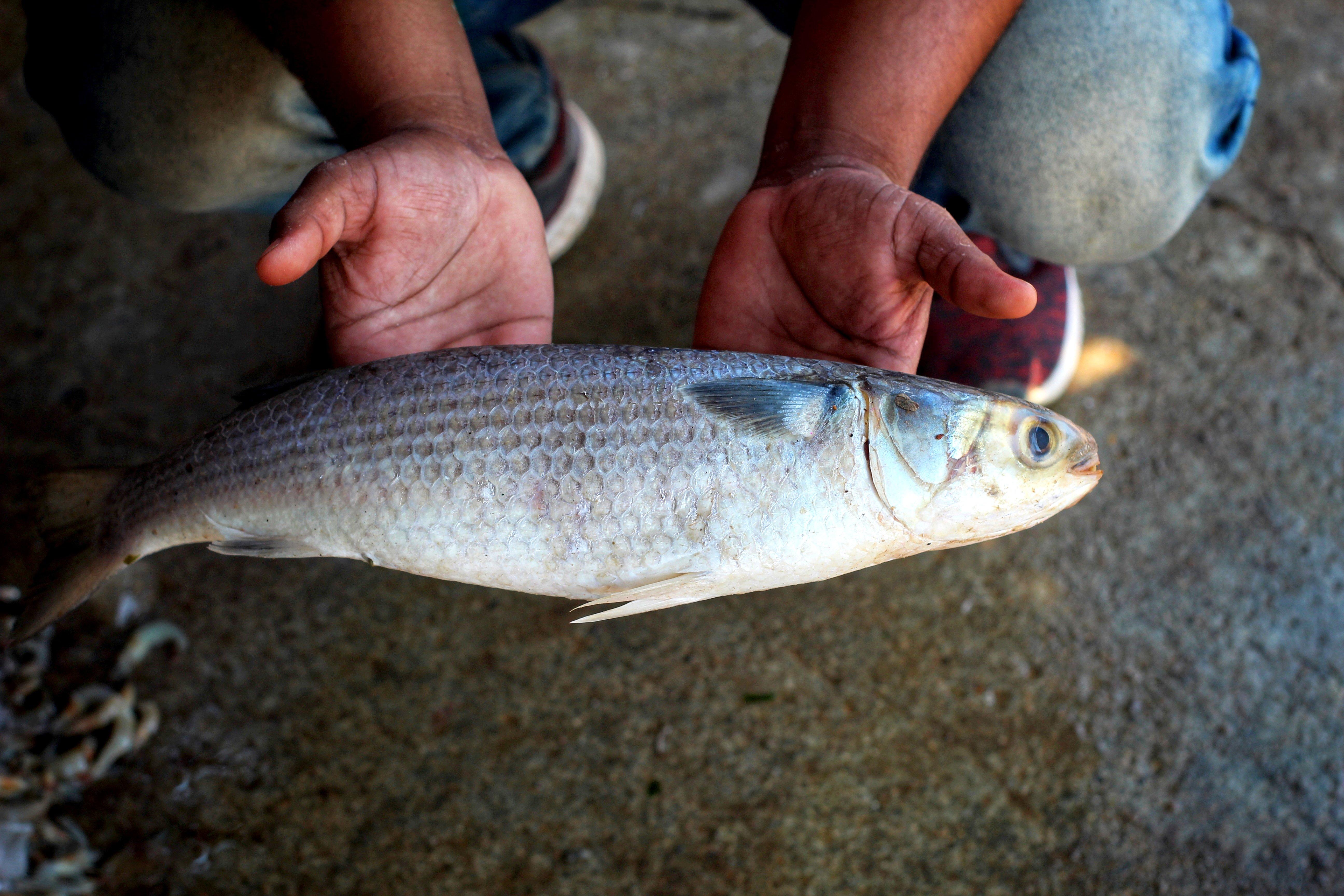
Cooler water in the fall forces millions of silver mullet to migrate south, causing a feeding frenzy among big saltwater fish. Image by Biswaphotography93
The science of the mullet run is another example of the natural cycles of the ocean. Silver “finger mullet” are the result of a successful spawn the previous spring. As larvae, they were carried by the Gulf Stream to estuaries as far away as North Carolina. There, the mullet spent their young lives developing, feeding, and growing.
Silver mullet are southern fish, intolerant of water temperatures below 68 degrees. As daylight shortens and water cools, they’ll migrate south to more tolerable climes. This puts silvers in Florida by September, to the Keys by November. They’ll stop at every port, jetty, and inlet on their way.
Silver mullet are joined by striped mullet, larger brethren that reproduce in the ocean but live, predominantly, in freshwater rivers. Striped mullet won’t migrate south like the silvers, but they do join “the run” as they head to open ocean waters to spawn before returning back to home port.
All of this movement puts huge schools of mullet on the beach and inshore waters from September through Thanksgiving. They’ll eat mosses growing on rocks, seawalls, and vegetation.
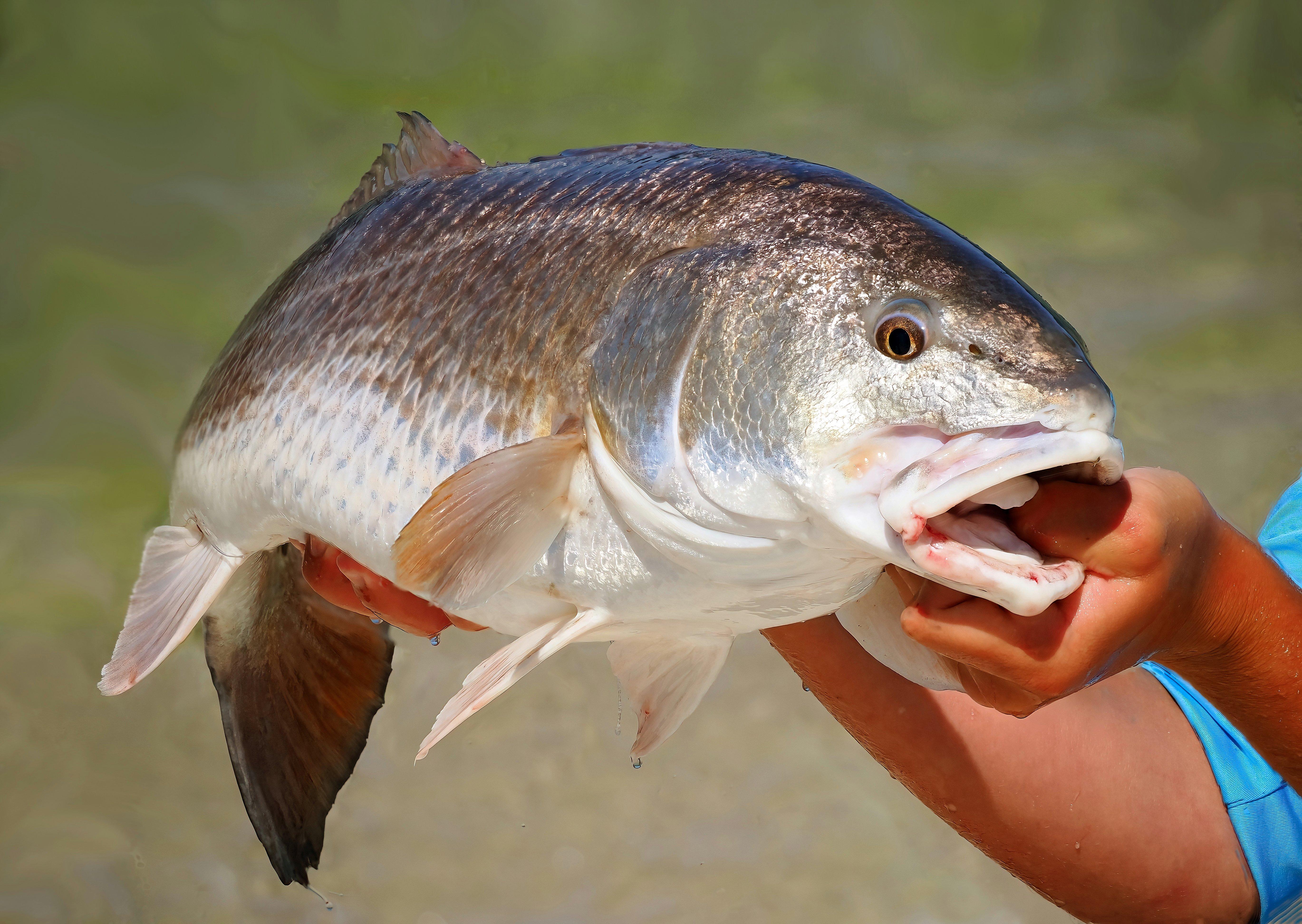
Large schools of migrating mullet draw big predator fish species of all kinds. Image by Steve Bower
Unfortunately for the mullet, there isn’t much time to feed because they’re constantly pursued by predators. Everything with a mouth big enough to eat one knows about the mullet run. Tarpon are renowned key players, joined by trophy redfish, snook, trout; even snapper and grouper in southern locales.
This massive swing in forage availability leads to migrations of the gamefish themselves. The far recesses of creeks and canals are not the place to be this time of year. Instead, concentrate your efforts close to inlets or on the beach itself.
Don’t Miss: AUTUMN ACTION FOR SHALLOW SMALLMOUTHS!
SURF FISHING ON STEROIDS
If you’ve never hooked a tarpon from the beach, it’s quite a rush, and might even make you question your decision making. Pandemonium is the only description of watching surf fishermen rush to get their lines in, and swimmers bail out as a giant tarpon tail-dances just past the break. The angler connected to that fish watches in disbelief as line dumps from the reel. This is truly the fish of a lifetime.
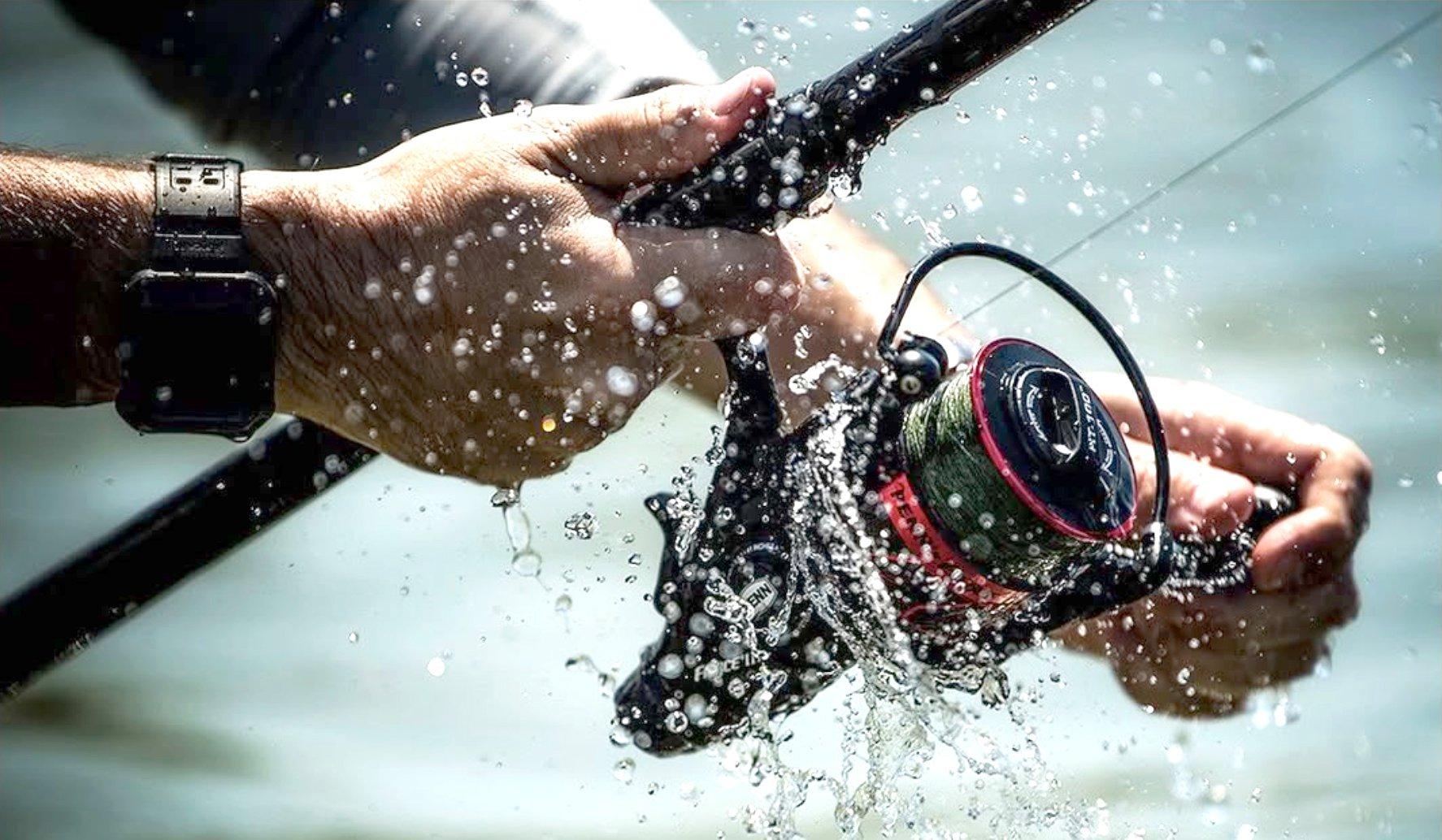
Because the mullet tend to hold near shore, you don’t need a boat to fish the fall run. Surf fishing action can be incredible this time of year. Image by Bill Konway
Targeting tarpon in this situation is fairly straightforward. Shore-bound anglers have two choices in their approach: live bait and artificials. If using live bait, nothing beats the biggest mullet you can catch, often right from the beach with a cast net.
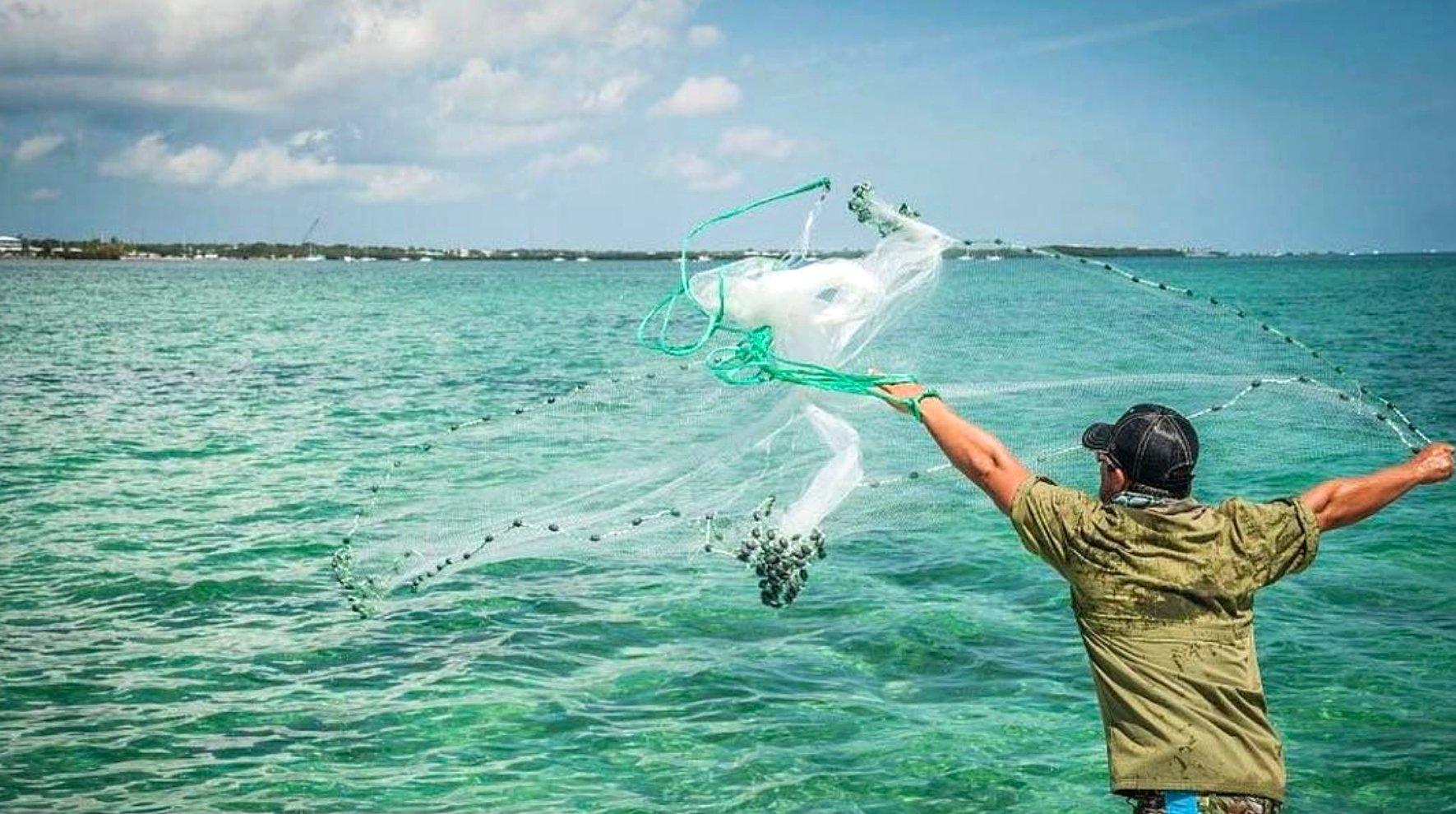
One or two good tosses with a cast net can load up on finger mullet for bait. Image by Bill Konway
You’ll need a bait that’s heavy enough to cast on a long, powerful rod. Spool braid with a stout fluoro leader and be on the lookout for migrating schools of mullet. You’ll want to present yours on the edge of the school, not directly in the middle, casting in front of the school and usually on the inside. It’s best to purposely keep your bait 20 feet or more away from the main body of mullet. You want yours to be backdropped by a sandy bottom and looking vulnerable. Tarpon candy.
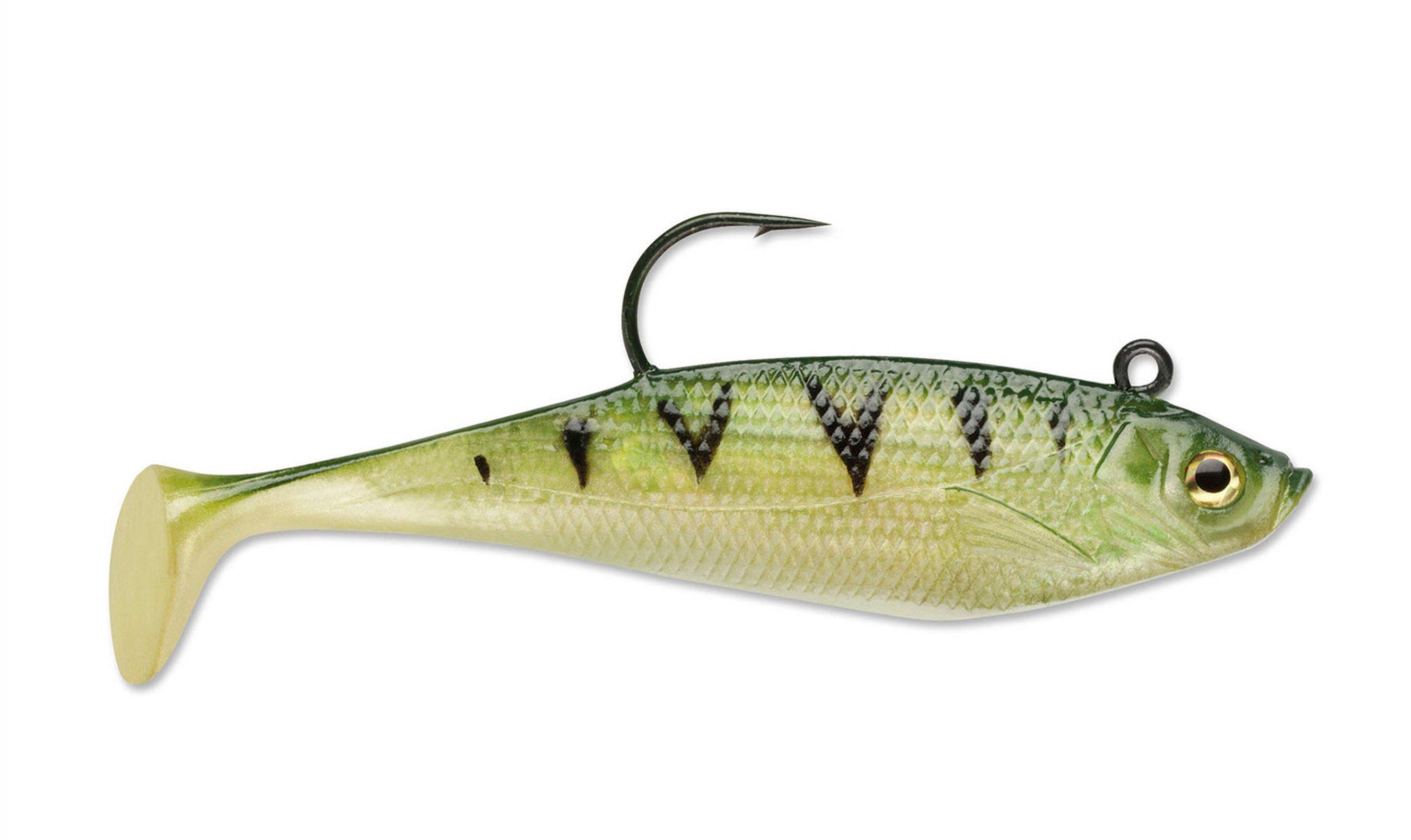
A big-bodied swim bait perfectly mimics a finger mullet. Image by Joe Balog
If artificial lures are your thing, find a big, rubber-bodied swimbait that casts well and covers water. Here, you’ll want to run and gun. Again, be looking for large schools of mullet and concentrate casts in front, behind, and inside. Keep your bait tight to the school. Make certain you have line and leader powerful enough to bring a 100-pound-class fish to hand; breaking off swimbaits will break the bank. If you’re fortunate enough to connect with a tarpon from the beach, do your part to land the fish as quickly as possible and keep it in the water, even during the photo opp.
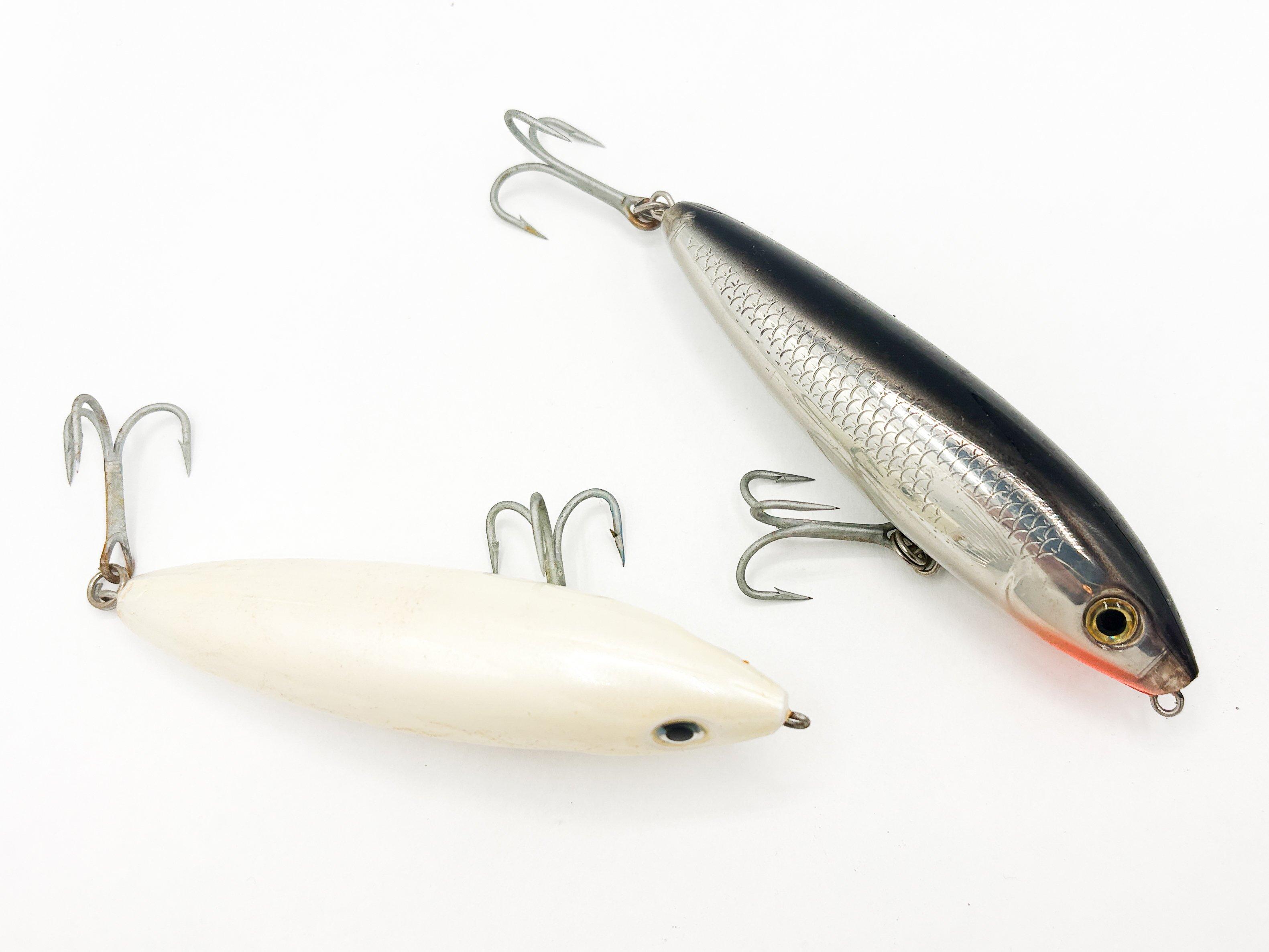
Walking a topwater bait over beach breaks early and late in the day can be deadly on big snook. Image by Joe Balog
Snook can be caught from the beach as well. You’ll find them cruising the first break, often just a few yards off the sand. Snook like to hunt those little stair-step breaks, especially on falling tides. Low light periods are best. Live mullet work well, freelined on a circle hook. Sometimes blind casting in the trough results in surprising action at daybreak. Lures can work; walking topwaters are hard to beat.
Don’t Miss: POOR MAN’S FLOUNDER FISHING
INSHORE MADNESS
Much of the mullet run takes place inshore, too. As schools of mullet move through Florida waters, they often make right-hand turns into the various ports along the East Coast. They’ll stay within a mile of the inlets, heading in and out with the changing tides.
Giant redfish are well aware of this cycle and post up at the best ambush spots. Troughs around rock jetties are hot. Ditches running through flats can be overlooked honey-holes. Here, fish surpassing 40 inches are commonplace in October.
Live bait is the best way to target these monsters, fished on the bottom with a fish-finder (aka Carolina) rig. Don’t overthink the rigging, just be sure your circle hook is large enough for the size bait you’re using.
Mullet, of course, work well. But redfish — especially the monsters — are real suckers for blue crabs. A quarter or half crab, fished on the bottom, is tough to beat any time of year and makes a good option when mullet occupy all the other rods.
Snook can be caught from the same general areas, though they’ll likely be relating more to shoreline areas, rocks, mangroves, and structure. There, a falling tide, sucking the water from shallow cover, is prime. Fish snook with a freelined bait or light weight. If targeting them offshore, drifting with the current will outproduce holding still and bottom-fishing.
Don’t Miss: HOW TO CATCH GIANT FALL REDFISH
FINAL TIP: FISH CHOKE POINTS
Never overlook necked-down areas during the mullet run. Bridges, ports, creek mouths or anything else that forces flow through a reduced area will be a go-to zone. Try getting there early before the crowds and fish the spot with a topwater, right against the bridge or bank. Strikes will be life-changing.
The mullet run is a seasonal highlight for anglers all across Florida, and for good reason. Christmas comes early as visions of tarpon dance in their heads. At no time are more large predatory fish so accessible to inshore and beach anglers.
For the best mullet-run action, you’ll need to hit it right. Checking the area waters and tides often is a must. But, when you do, you’ll never miss it again.
Don’t Miss: REALTREE CELEBRATES 40 YEARS WITH LONG LIVE REAL DOCUMENTARY