The Beauty of Blade Baits
Posted 2026-10-27 by
These simple lures are still some of the best cold-water fish catchers out there
It’s hard to get excited about a blade bait. The simple lures don’t lend themselves to fancy paint jobs or social media posts, and not many people buy blade baits on impulse. With blade baits, if you know, you know. Simple as they are, blade baits fall into the category of basic fish-catchers. They’re workhorse lures defined by results, and legendary in effectiveness.
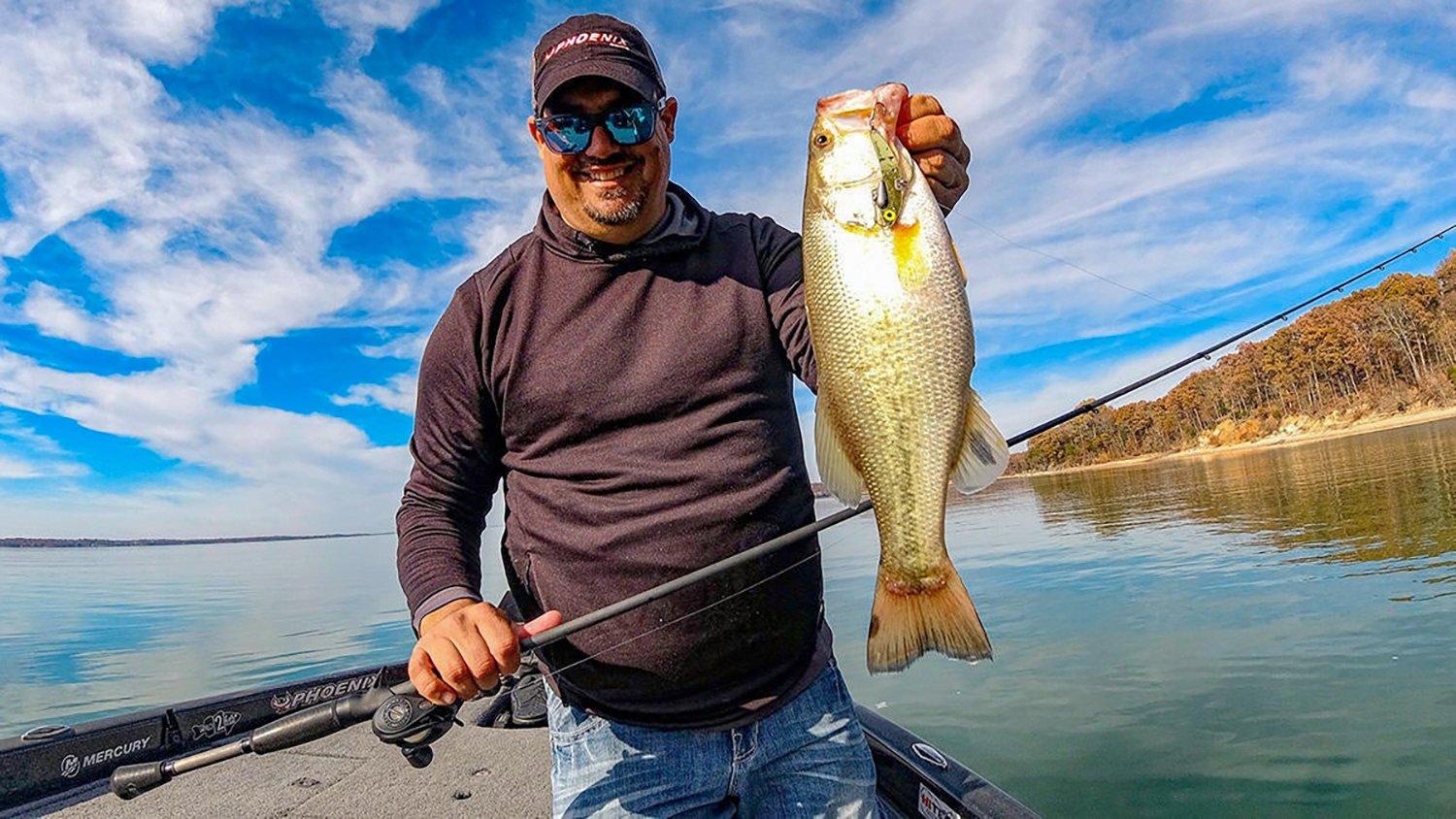
While no one is exactly sure why, fish love blade baits and savvy anglers know how effective they can be during fall and winter periods. Image by Jason Sealock
Why do fish love blade baits? The allure is somewhat mysterious. Like hair jigs and jigging spoons, a blade bait’s appeal can only truly be understood by the fish that eat it. But one thing’s for sure: If you haven’t added a blade bait to your cold-weather arsenal, you need to. Here’s why.
Don’t Miss: UP A CREEK | FIND FALL SHAD, FIND BASS AND CRAPPIE
WHAT IS A BLADE BAIT?
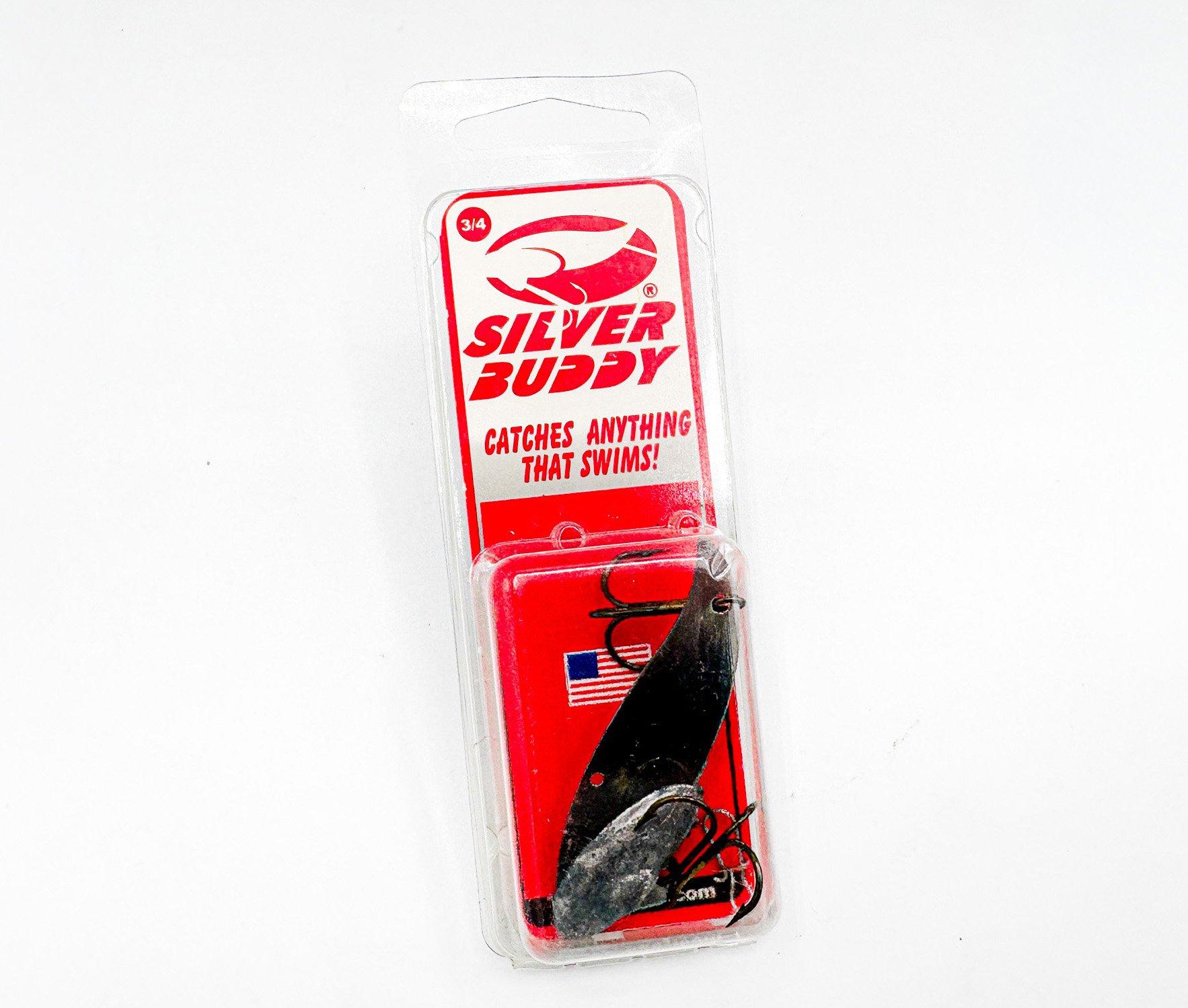
A blade bait is a simple, stamped out metal “blade,” usually a willow-leaf or similar shape, with lead poured onto the belly. The line tie for the lure is directly on top, with a pair of hooks hanging off the bottom.
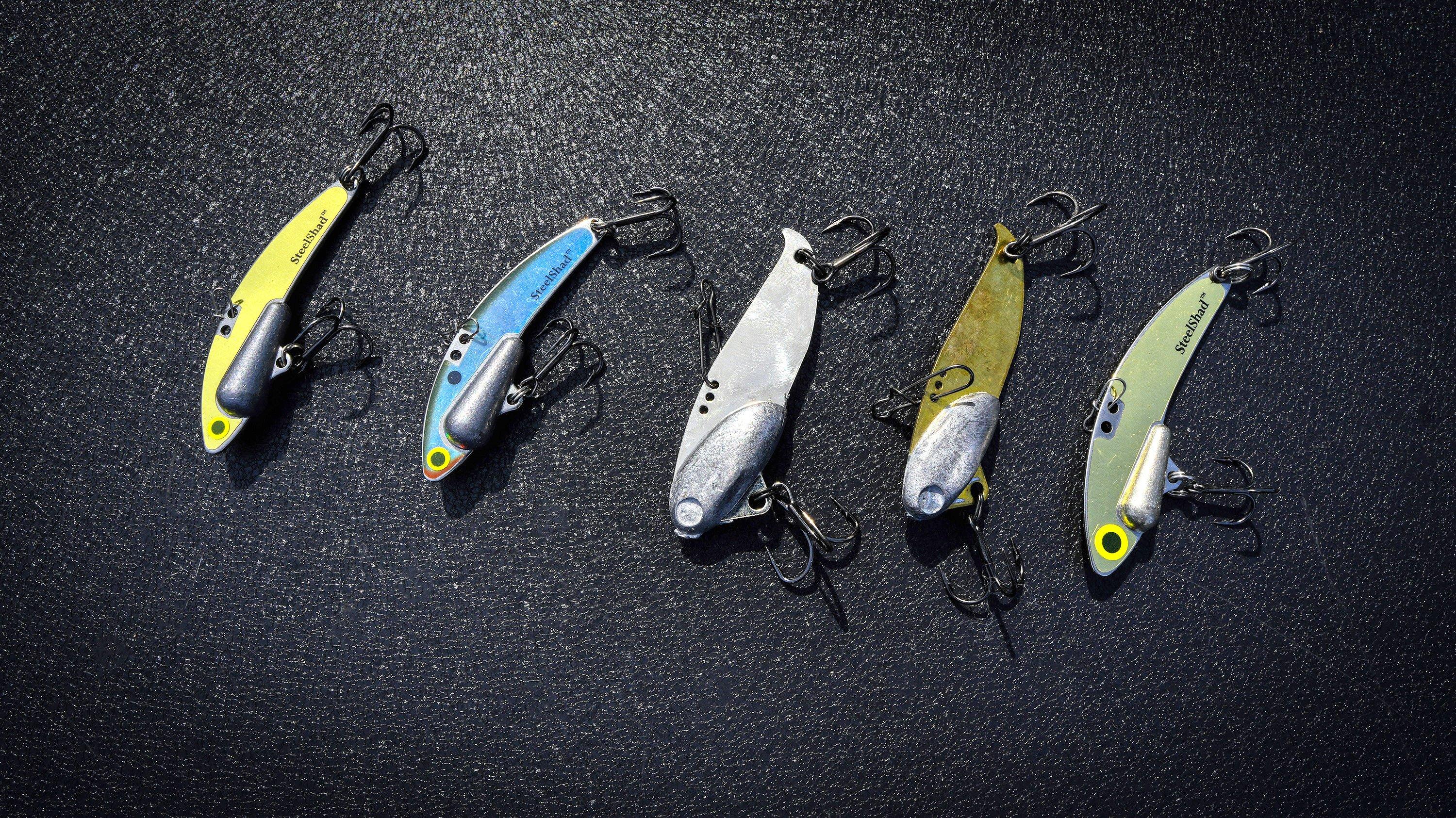
The design is simple, a stamped metal blade, some lead for weight, and a pair of treble hooks. Image by Jason Sealock
At first glance, it’s evident that the lure is intended to be fished rather vertically. The all-metal construction and aerodynamic shape lend itself to long casts and fast sinking. For that reason, blade baits fish well in all types of weather, a plus during this time of year when wind is always a factor and conditions deteriorate fast.
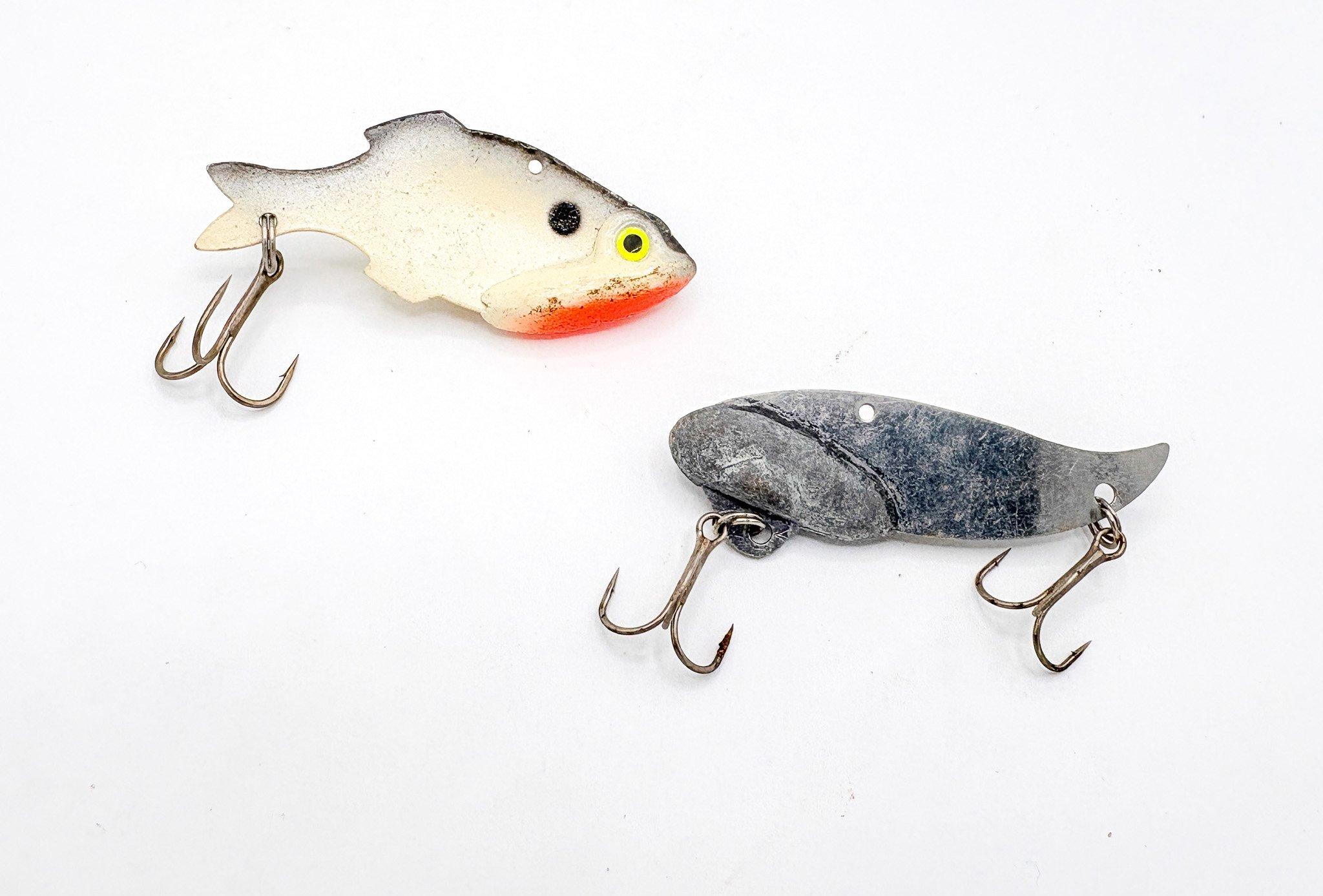
Blade baits are nearly indestructible, making them perfect for fishing around rocks and concrete walls. Image by Joe Balog
Blade baits are real warriors and tremendously durable. You can bang them off rocks all day long without affecting the lure’s action. At most, swapping in new treble hooks covers the maintenance schedule. A single lure can last years and catch thousands of fish.
What’s not to like about that?
Don’t Miss: AUTUMN ACTION FOR SHALLOW SMALLMOUTHS!
HOW TO FISH BLADE BAITS
While a blade bait is very efficient, it lacks a defined user’s manual. Initially, you’ll notice the lure vibrates well on a speedy retrieve. Stop the retrieve and it sinks like a stone, literally. Most anglers mistake the blade bait’s characteristics as a need to keep the lure moving. It’s hard to imagine that the bait has much appeal on the fall. Veteran anglers, however, know otherwise.
Fish the bait by allowing it to sink, then lifting it and letting it flutter back down to the bottom again. Image by Jason Sealock
Blade baits work by mimicking dying baitfish. A vibrating shimmy, followed by a quick flutter to the bottom, perfectly mimics small shiners and shad as they succumb to plummeting water temperatures. Predator fish gulp them up as they fall, and they’ll do the same to your blade.
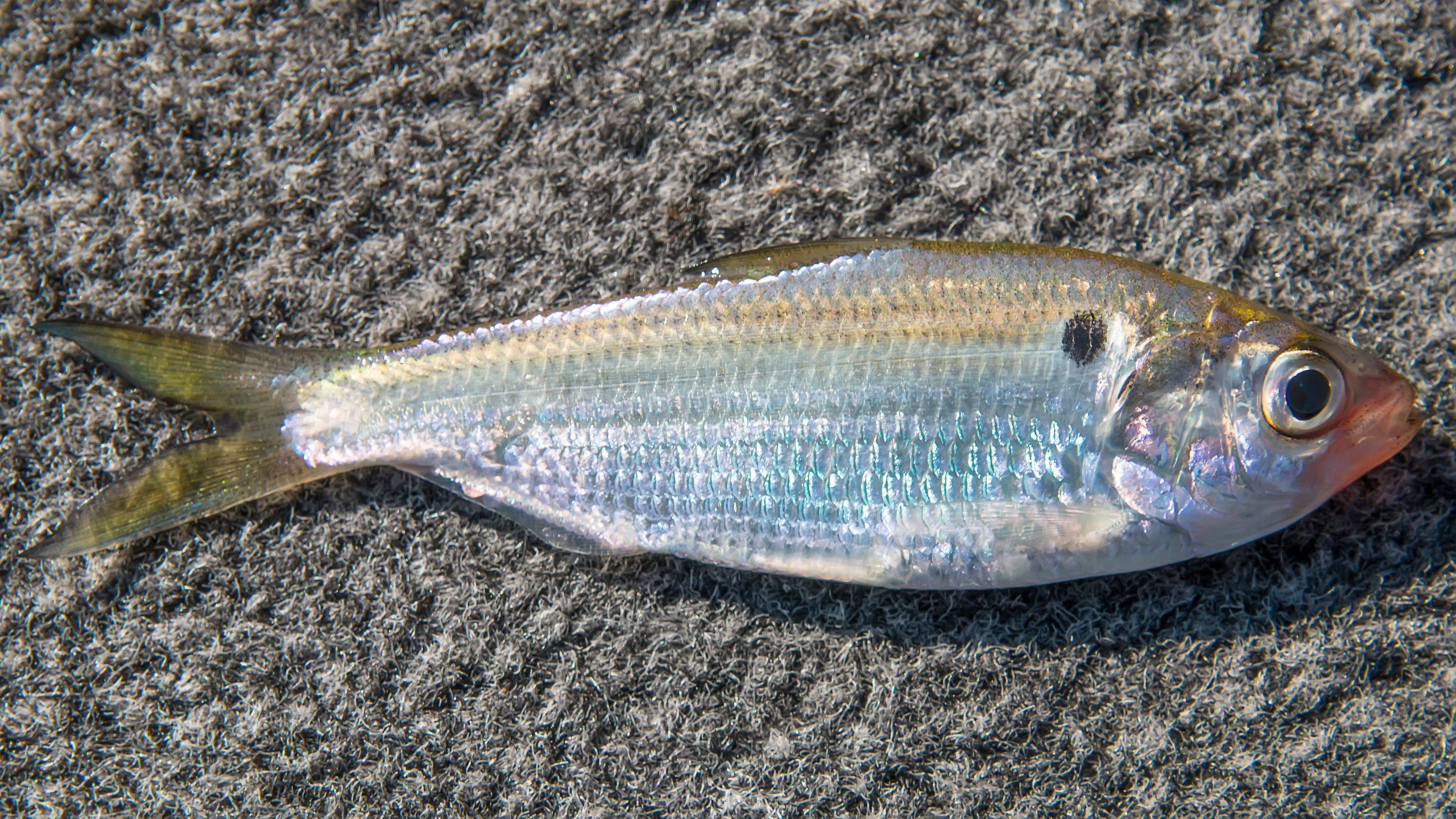
Blade baits work by mimicking a dying baitfish as it flutters to the bottom. Image by Jason Sealock
Fishing successfully requires first finding areas rich in baitfish. In late fall and winter, this will be steep drops, the ends of points, bluff banks, and really anywhere the main lake basin meets deep structural elements. On natural lakes, those places often come in the form of deep weed edges or bare spots in grass beds. Deep marinas can be good places to start, as can bridges and riprap shorelines.
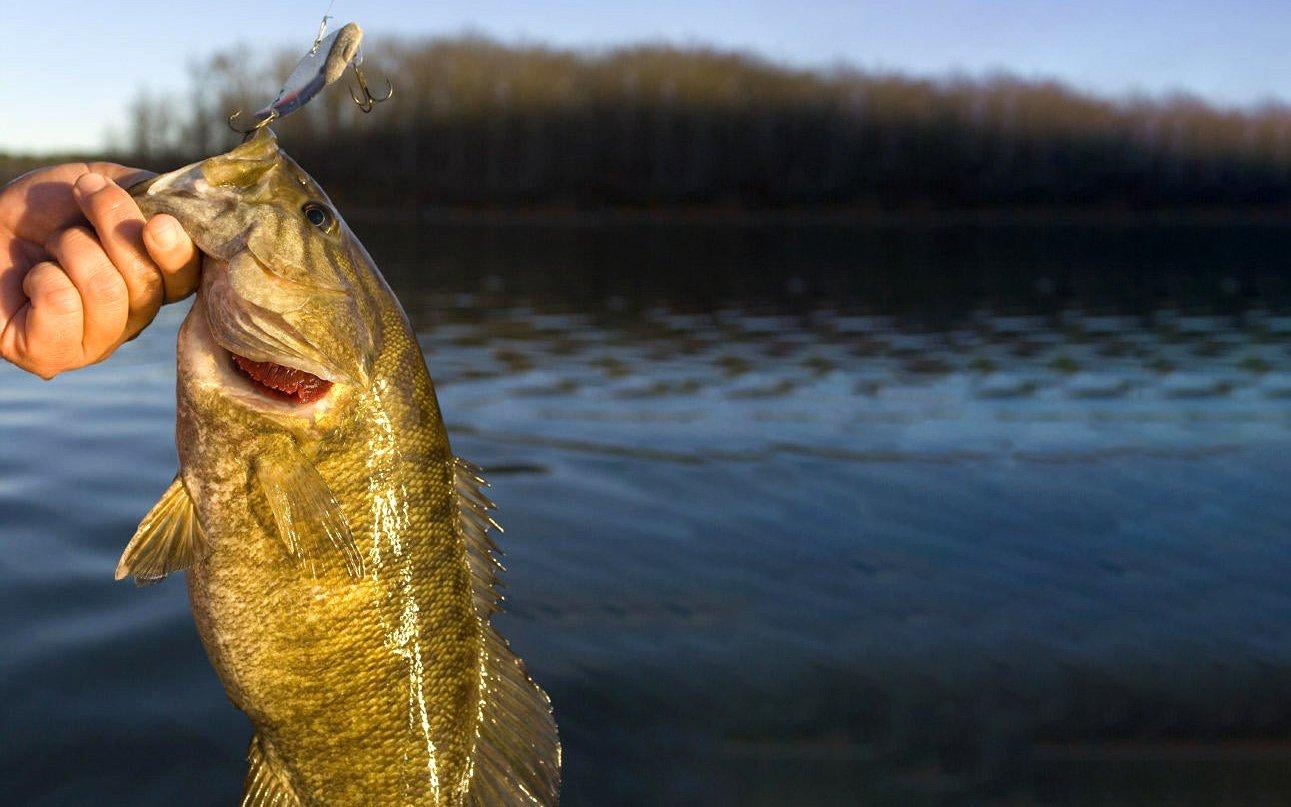
A blade bait will clean up on a variety of fish this time of year, from bass to walleyes, white bass, perch, and even crappies. The distinguishing factor with each will be lure size. Walleyes will chomp a 1-ounce blade bait, whereas yellow perch love a minuscule 1/8-ounce version. Match the hatch this time of year for the best success.
Blade baits are effective on a wide variety of gamefish including crappie, walleye, and all types of bass. Image by Joe Balog
Retrieves are easy, but they take a bit of feel. Allow the lure to sink to bottom, then lift, just enough to feel the bait vibrate. Once you do, lower the lure back to the bottom on a controlled-slack line with a quick drop of the rod tip. You’ll want your rod high, moving from 10-12 o’clock. Strikes will be subtle, always on the drop. Often, you’ll simply hook the fish on the next lift.
“Controlled-slack” is a weighted term. If you attempt to lower the bait to the bottom, you’ll kill its action. Yet, if you simply drop all tension out of your line, the resulting overload of slack will reduce the lure’s sashay and eliminate strike detection. There’s a balance in the middle. You’ll know it when you feel it.
Blade baits are surprisingly versatile in the fall and winter months,
Use baitcasting rods with 12-pound line for bass and walleye, fluorocarbon preferred. Braided line will tangle a blade bait so, if braid is your go-to, always use a leader. And always attach your line to the lure with a snap or split ring; that’s mandatory for metal-lure fishing. Panfish anglers can go to spinning gear, 6-pound fluoro. In any case, pick a 7-foot rod that’s flexible but not flimsy.
Don’t Miss: THE BEST BASS BAITS FOR EVERY SEASON
It’s easy to over-fish these lures, and they’ll amaze you at their effectiveness even when worked subtly. Some of the best blade bait anglers I know fish their lures like plastic worms, barely activating the vibration before carefully dropping the lure back down. The technique is all touch.
Blade baits can be fished vertically, but they’re most effective when cast and fished across a range of bottom features. Short pitches work well if you’re moving and dissecting cover, or need to place the lure directly on a weed edge. This is surprisingly similar to pitching plastics, but with a more efficient cold-water lure.
I mentioned the treble hooks. Veteran anglers always replace stock hooks with small, laser-sharp trebles hung by split rings. Here, you’ll want to drop down one size on your hooks to prevent killing the lure’s action. For most bass-sized blade baits, No. 6 hooks are perfect. For panfish lures, you may need to go as small as a No. 12. The key, always, is to have the lure vibrate with the subtlest lift of the rod tip.
If you’ve never tried fishing a blade bait, it’s best to add the lure to your already-proven bait selection. Don’t attempt to go all-in with blades until you know you’re around biting fish. Catch a few on a jig or grub first, and then work a blade into the rotation. Once you get a few strikes under your belt, you’ll quickly catch on.
As you wind in fish after fish, the beauty of a blade bait will become evident, and they might even dominate your cold-water tackle selection. All it takes is that first strike.
Don’t Miss: HOW TO PICK THE BEST SOFT-PLASTIC LURES FOR CRAPPIE FISHING