How to Interpret Buck Rubs
Posted 2025-10-06 by
Hundreds of rubs will show up in the woods the next few weeks. Here’s what they mean and how to work them into your strategy
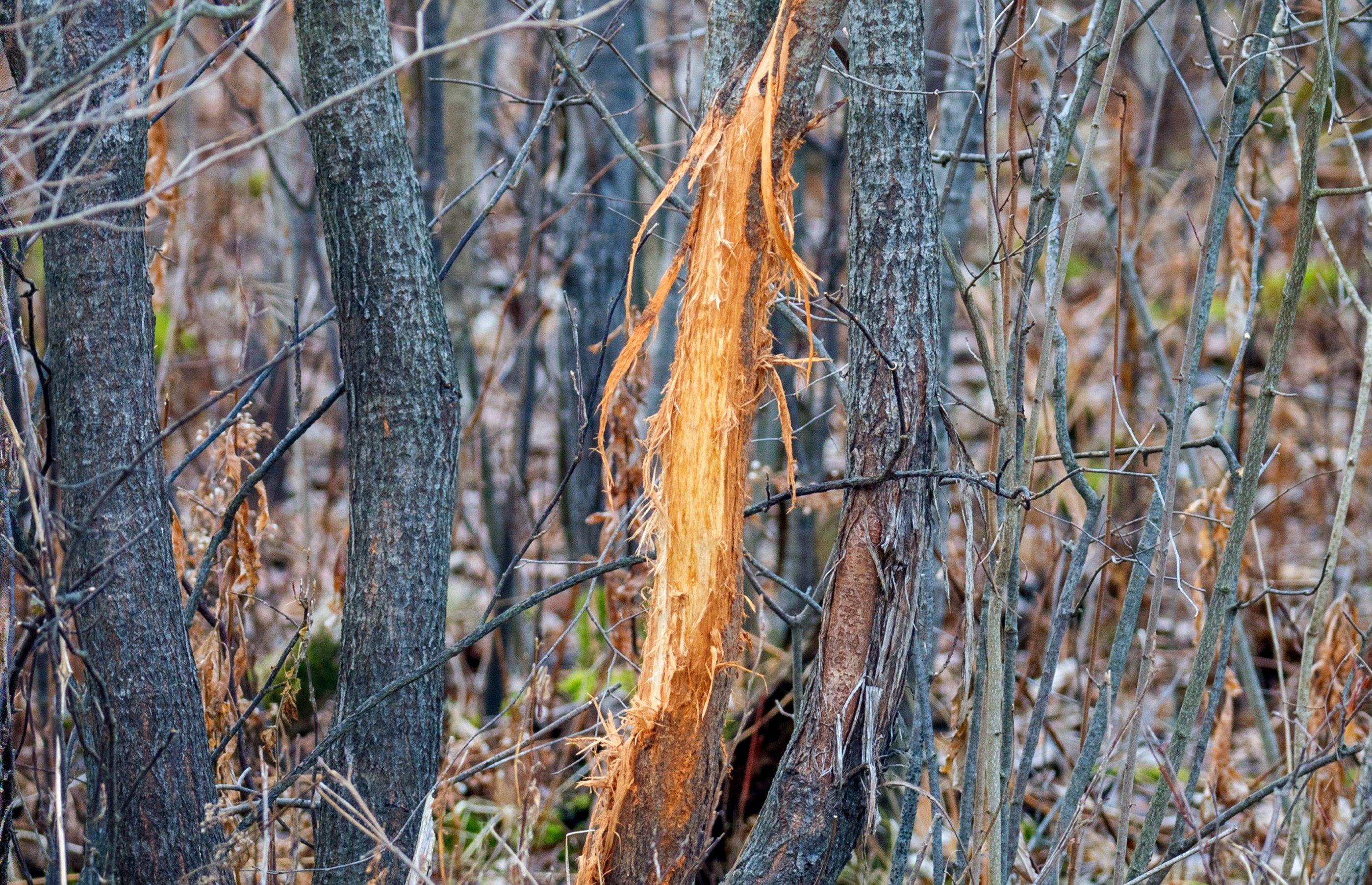
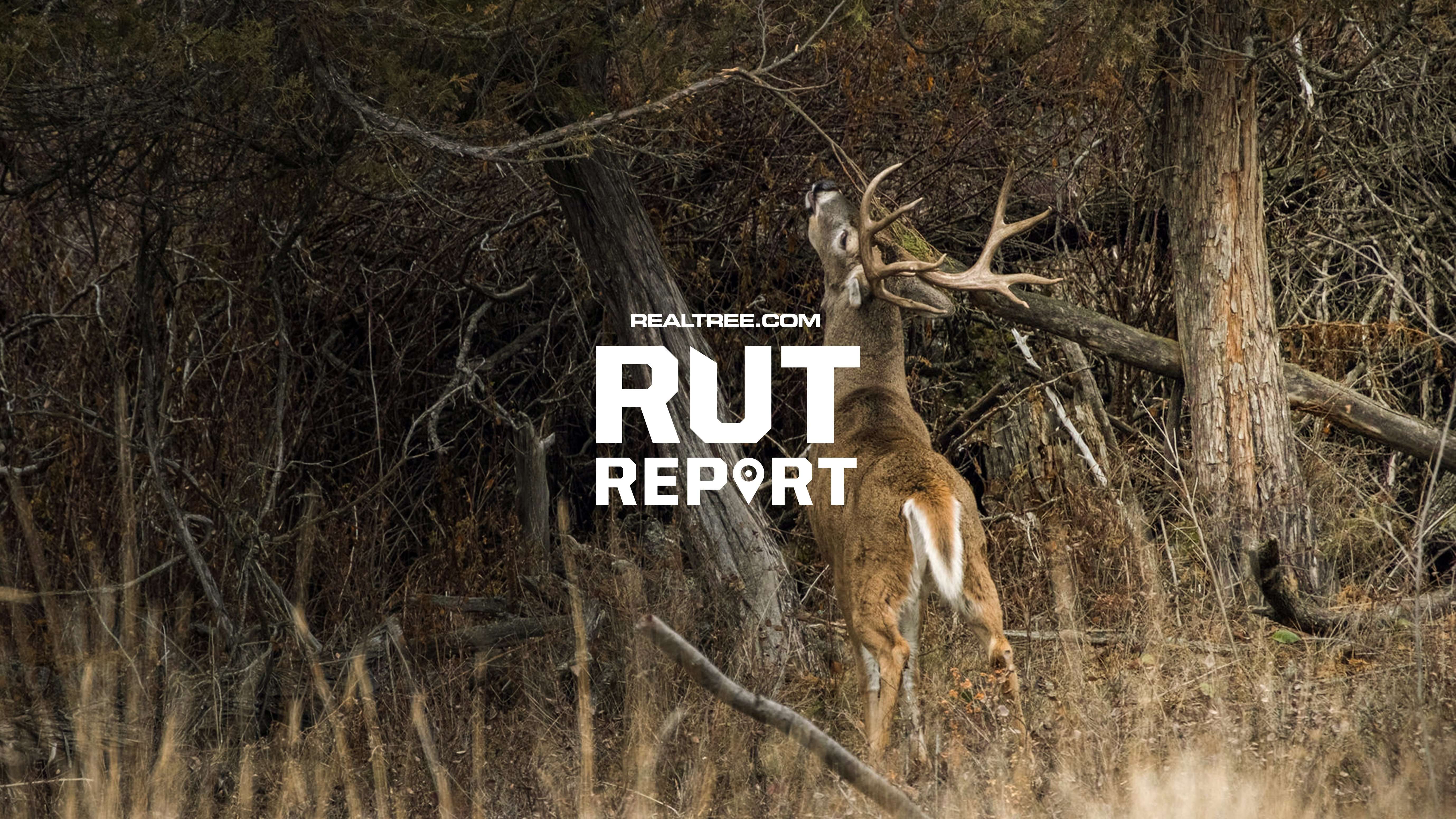
Bucks love to rub along side-hills with ample thickets, in shallow draws and swales with brushy cover, and along edges where the habitat changes. Photo by Aaron J. Hill.
A Georgia research project found that one aggressive mature buck can blaze 10 to 15 rubs per day from September through December, or more than 1,000 during a rutting season. Another study found that even a more laid-back buck might mark 300 to 400 trees. The point is, bucks rub a ton of trees, and they do it for a reason.
Here’s the skinny on two common types of rubs you’ll find, and how to work the best of the blazes into your rut strategy.
Don’t Miss: The Ultimate Guide to Hunting Scrapes
RANDOM RUBS
If you scout and find 100 rubs on a ridge this weekend, 90 of them will be on trees roughly 2 to 7 inches in circumference. Studies show that in some regions, bucks blaze rubs on aromatic trees (cedar, pine, cherry and the like) about 70% of the time. But you’ll find plenty of blazes on many other species of saplings and trees as well. These rubs started popping up weeks ago at velvet shedding time, and fresher, shinier rubs will continue to appear throughout November. As they roam the woods with testosterone tingling, 4- or 8-pointers or a giant 10 might blaze those rubs. You never know.
Random rubs made weeks ago have started to dry out and turn a burnished tan color. Old rubs tell you little — only that a buck or bucks passed through an area a while ago, but they are not coming back to rub the same trees again.
However, if you see a mother lode of fresh rubs start to pop up in the few weeks, pay attention. Research by deer biologist Karl Miller and others showed that when an area is blazed with a noticeably high number of rubs — dozens or even hundreds of them — the peak of the rut might often occur a bit earlier than normal. The researchers theorize that by depositing priming pheromones on all those trees, bucks stimulate some does to come into early estrus. If you find three or four times as many new rubs as usual in your spot during the next few weeks, you might want to take off work and hunt a week earlier than you planned.
Don’t Miss: The Best Days to Deer Hunt in 2025
RUT RUBS
As you’re walking to and from bow stands the next few weeks, be on the lookout for any new rubs, and especially freshly shredded pine, cedar or hardwood trees 10 to 12 inches in diameter (give or take a couple of inches). I call these rut rubs, and interpret them to mean that an old resident buck’s testosterone is peaking, and he is rubbing furiously to vent pent-up energy. Or big rubs might signal that an interloping buck has come from miles away, expanding his range to sniff out does. As a rule, only mature bucks tackle large trees with their racks, and in the process smear their unique forehead and pre-orbital scent on the rub scars. Most of these solid rubs are blazed in high-traffic deer areas, where many smaller bucks and does will see them and veer over for a sniff.
I’ve found that bucks love to troll and rub in three terrains: side-hills with ample thickets, in shallow draws and swales with brushy cover, and along edges where the habitat changes. For example, where a strip of pines meets deciduous forest, or where second-growth saplings abut a brushy field. They’re great spots to find rut rubs and subsequently hang stands.
A few years ago, I stayed out of one of my favorite spots until the last days of October. First time in, I found the oak flat ripped with thick rubs and reeking of tarsal, as I knew I would. Whitetail bucks are habitual. If the habitat stays the same, and if you don’t pressure a spot too early or too often, generations of bucks will blaze rubs in the same areas year after year.
Check Out Our Latest Camo Pattern: Realtree APX
Although sign was plentiful, it took a while to find what I was looking for — down in a swale, three freshly shredded cedars, thick as my calf, at the point where two doe trails converged into one and funneled out of the swale and toward a cornfield 150 yards away. I’ve been hunting whitetails a long time. There aren’t many spots I’d rather watch than a rub junction like that.
The wind was out of the northwest, so I hung my stand south of the junction and crept in the next morning. The fourth buck I saw after sunrise was a 4-½-year-old 10-pointer. My arrow was true, and he crashed down within 30 yards of a cluster of big shiny rubs. Read the sign right, and you can score like that.