4 Trouble-Shooting Tips For When Duck Hunts Go Sideways
Posted 2026-10-29 by
Sometimes, or maybe most of the time, ducks don't play fair. When that happens, a good Plan B can help save the day
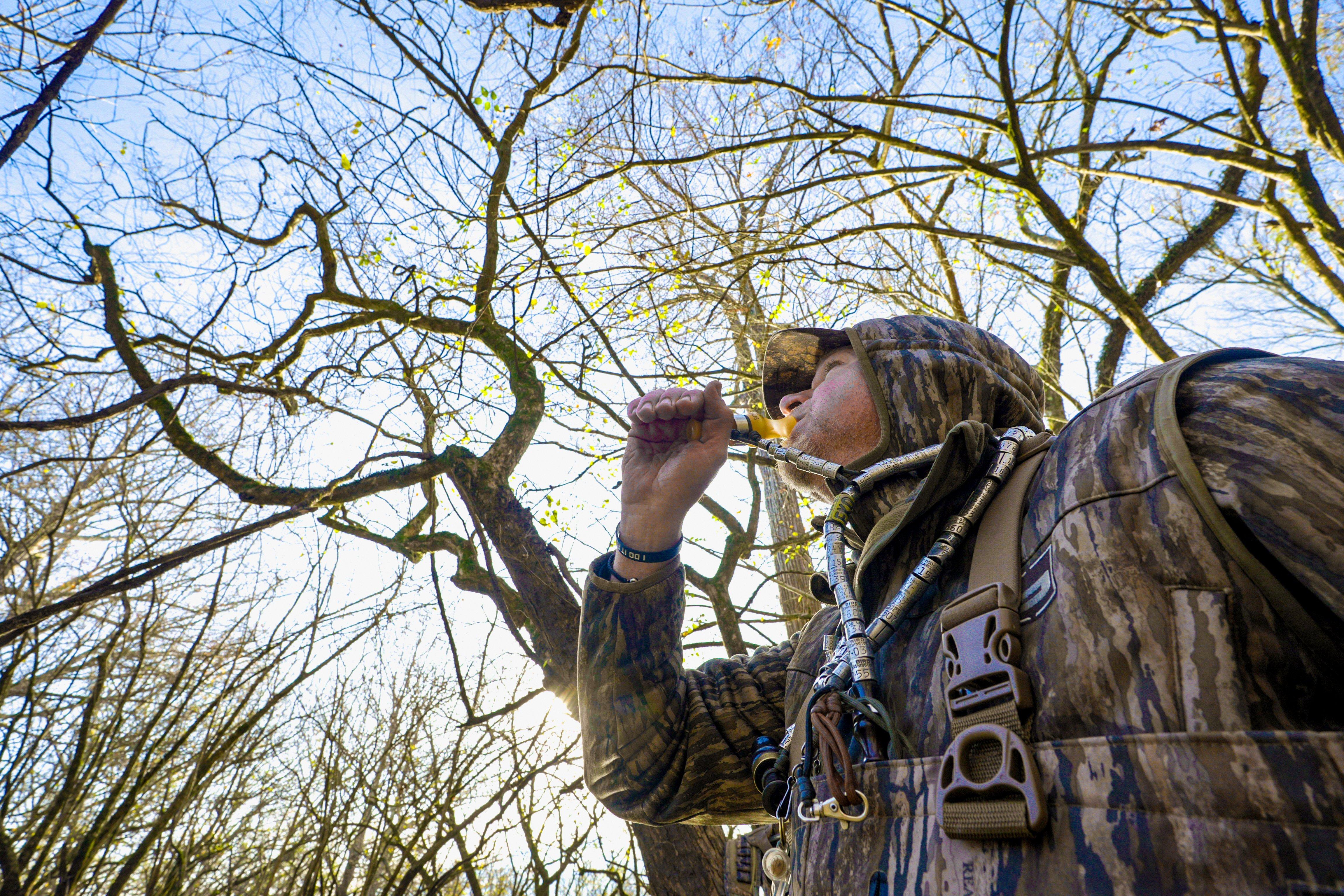
Ducks often behave differently from day to day. How you react typically determines the success of a hunt. Photo by Realtree.
Duck hunters look back with pride at hunts when they correctly called the situation, set up perfectly, and made every shot count. But if we’re being honest, many other hunts go a bit sideways.
Maybe it’s pressure or the weather, or perhaps the randomness of the migration and wild critters is to blame. Whatever the cause, many can’t-miss hunts often, well, miss. That is, unless you recognize the culprit early enough in the hunt to remedy the situation.
Trouble-shooting in-the-field problems is a skill borne of hard experience, and it can save a hunt. Consider these common duck hunting dilemmas, all of which can submarine your day but can be remedied if you act quickly.
Don’t Miss: Double Your Duck Stamps for Conservation
DIVER PASS-BYS
Diving ducks are notorious for strafing decoy spreads at ridiculous speeds and then flying away. Often, that happens because your spread doesn’t invite them to land. When bluebills, cans, and redheads won’t finish, reconfigure your blocks.
Rule No. 1: Divers love to fly over other ducks on approach. Construct your spread with a relatively long tail that stretches downwind and leads to an open area right before a larger main block of decoys. Make sure the tail runs on the inside of your spread, closest to your hide. Birds should follow the tail toward the main body and finish in the open hole or over the other blocks. Also, try to set your spread so there’s some open water visible directly upwind of the decoys. Diving ducks are much more comfortable landing when they see open water instead of land.
PUDDLERS WON’T FINISH
Ever have mallards, pintails, black ducks, or even gadwalls circle endlessly but never commit? Yeah, that’s duck hunting. But when that happens, you can at least improve your odds by examining and boosting your hide.
Fist, make sure your boat, blind, or makeshift hide looks as natural as possible, whether it’s covered with brush, willows, grass, or raffia grass. Further, ensure that it’s not directly upwind of the kill zone in your decoys. That way, birds won’t be looking directly at it on approach. If it’s windy, consider setting up with a crosswind.
Don’t Miss: How to Find the Right Duck Call
Also, make sure you have enough cover behind you to break up your outline. If you’re in a boat blind, cover the top opening with brush or something similar to eliminate the dreaded “black hole” that ducks pick out so often. And of course, always cover your face and conceal any movement.
BROKEN CONNECTION
Many days, it might seem like ducks are interested in your calling but always flare at the last minute. Again, that’s duck hunting, but adjusting your calling approach can sometimes pay off.
Always observe how ducks react to every aspect of your calling. Some days, they want quiet. Other days, they seem to want to hear calling during their entire approach. And more often, they seem to respond best when you get their attention, call to them on the corners of your spread, and then offer soft encouragement with single quacks and feeding chuckles as they commit. Watch every bird to see what works and what doesn’t. If you’ve been calling a lot, tone things down. Or vice versa. Let the ducks guide you. And remember that every flock is different, so don’t get locked into one philosophy. Taking your cue from real ducks won’t guarantee that you break down and finish every flock. However, you’ll put more birds over the decoys.
OFF THE X
When you’re hunting a large water, you pretty much have to decide on a setup in the dark and go with it. Sometimes, your scouting pays off, and that spot works. Other days, you realize that ducks want to be somewhere else. If possible, you need to pull the decoys and move.
Don’t Miss: How to Pick the Right Shotgun and Ammo Combo for Multispecies Hunts
No one likes to reset a spread. It requires a lot of work, and you’ll probably miss a few opportunities when you’re yanking decoys and moving your hide. But usually, it’s far better to set up where ducks want to be instead of hoping you can attract them. Bite the bullet, and take your time picking up, moving and setting everything back out. Often, you’ll be rewarded with more opportunities instead of simply watching ducks fly by and raft somewhere else.