How to Beat Duck Hunting Lulls
Posted 2025-12-04 by
Don’t give up when birds seem scarce and skittish. A positive attitude and common-sense approaches can help you beat inevitable slow periods
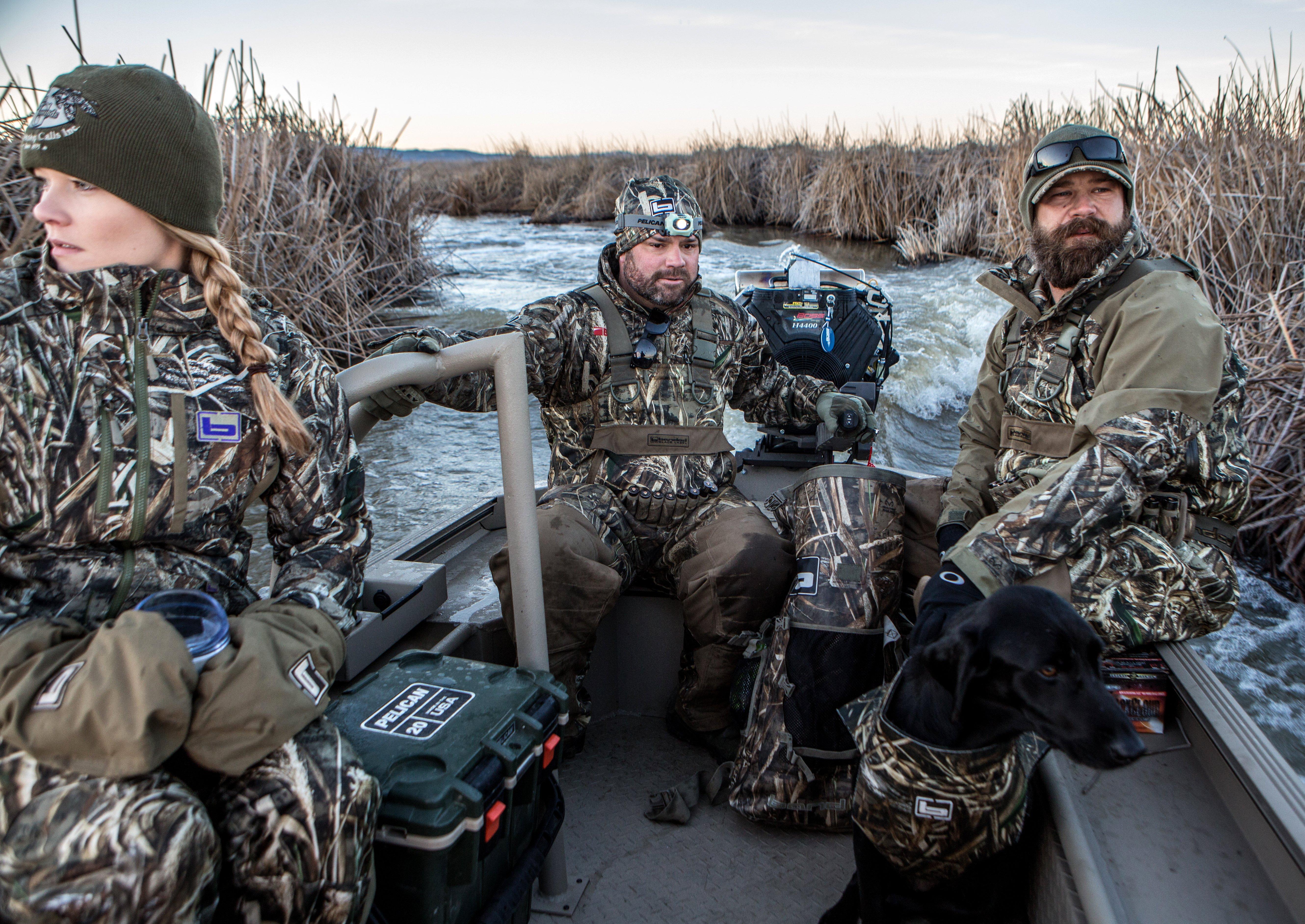
When ducks get stale, it’s tempting to quit early. But some days, staying on the water for hours might be the only way to scratch out a few birds. Photo by Tom Rassuchine.
No matter where you chase ducks, you’ll eventually face a lull, when hunting gets tough. Often, that occurs after local ducks or the first wave of migrators get pressured. Sometimes, poor conditions stall the flight and leave you staring at empty skies or skittish high-flyers. Even when there’s a somewhat steady migration, it only takes two or three days of hunting pressure to make fresh ducks act like grizzled locals.
Whatever the case, lulls happen every season. And if you enjoy duck dinners, you’ll have to figure out how to scratch out a few birds when everyone else is struggling. These tips can help.
Don’t Miss: How to Find the Right Duck Call
BE DIFFERENT
This sounds cliché, but it’s true: When standard hunting approaches simply don’t work on stale, pressured ducks, you must try something new. Usually, this involves finding overlooked spots where ducks haven’t been pressured. Granted, that can be difficult. But even during lulls, ducks still feed, loaf, and move around in a daily routine. And some of that will occur at huntable spots. You just have to ramp up scouting efforts to find those areas.
For example, when stale ducks avoid pit blinds and rice fields, look for out-of-the-way backwaters, sloughs, or timber holes where birds might congregate. Then set up a temporary blind or plan a walk-in hunt. Or when ducks seem to move from a refuge to feed and then back, find small waters or fields where you can conduct a traffic hunt.
A low-impact scouting approach usually works best. Walk into spots instead of using a boat to avoid spooking birds. Glass areas from afar when possible. Forge a plan, and give it a shot. Finding even one unpressured spot can help break a lull.
HUNTS OF ATTRITION
Sometimes, your best in-season scouting efforts fall short, and you have no option but to hunt stale ducks at familiar spots. When that happens, many folks hunt the first couple of hours of daylight and quit, conceding that action likely won’t improve. They’re right, but heading in early only ensures that they won’t shoot more ducks. Hunting longer and grinding through long periods of inactivity pays off now and then.
Don’t Miss: Avoiding 7 Duck Hunting Setup Sins
These hunts of attrition aren’t for everyone. Sitting in the blind until afternoon — or even all day — when action is slow can be mind-numbing. But at least you’ll be present when those scarce opportunities arise. Also, outlasting the competition doesn’t have to be complacent. Always look for an edge, whether it’s changing up your spread or even moving your setup, if possible.
Stay alert throughout those long sits, ready to capitalize on any opportunity. You don’t want to be daydreaming when a flock finally decoys and rewards your patience.
BE READY
However you approach a lull, prepare for its end. That is, keep an eye on the forecast and conditions, and be ready to go when fresh ducks and better hunting arrive.
Cold fronts are the most obvious lull-buster, as they typically usher in new migrants and produce conditions that make ducks move. But don’t ignore other changes. Sometimes, precipitation can shake things up by flooding crop fields or new areas of green timber, creating temporary wetlands or even refreshing sloughs or backwaters. Ducks love fresh water, and they’ll follow it because it often creates new feeding, loafing or even roosting areas.
Also, in the South, be ready for late-season thaws, which can re-open spots ducks like or create periods of reverse migration, when ducks move back north. Many hunters consider this to be one of the best times to hunt during the late season.
Don’t Miss: How to Pull Off a Great Free-Lance Duck Hunt
KEEP GRINDING
Don’t loathe the lulls this year. Keep hunting hard, and scout even harder. You might not take limits, but picking off a few ducks during rough stretches is better than sitting at home. And the lessons learned while battling through tough periods will only help when better days arrive.