How to Pull Off a Great Free-Lance Duck Hunt
Posted 2025-08-28 by
Paying attention to details will spare you unexpected trouble and help fill straps
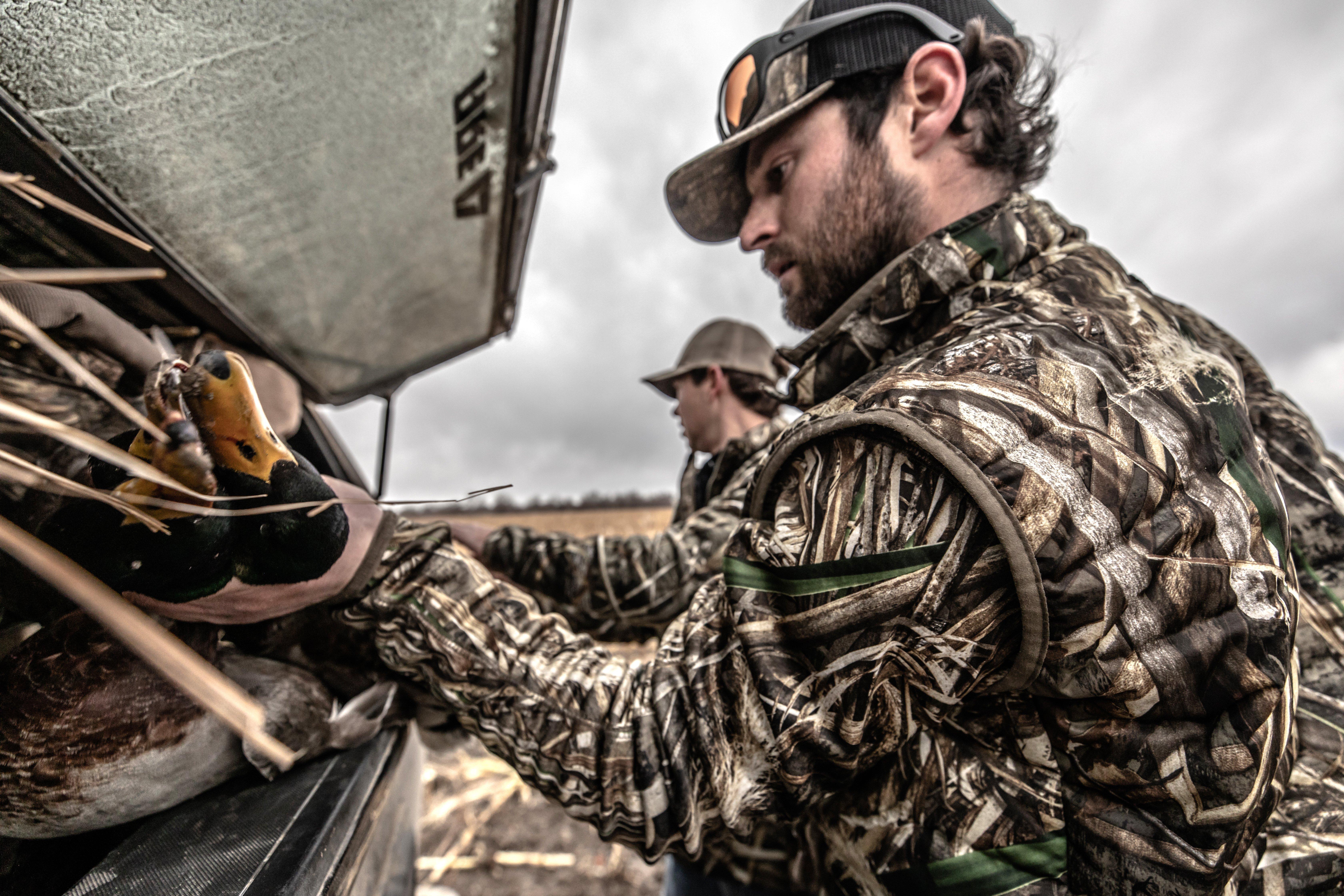
Make sure you’re prepared for the type of hunting you’ll encounter on your trip. Bringing the wrong gear can doom a hunt before it begins. Photo by Bill Konway.
Nothing matches the thrill and optimism of hitting the road in a truck packed with dogs, decoys and shotguns, headed for a new waterfowling destination. On the flip side, little else equals the disappointment of reaching duck camp and realizing you’re woefully unprepared.
Along with bad weather or plain bad luck, poor planning might be the No. 1 cause of failed free-lance duck hunting trips. It is, however, one of the few factors you can control. In fact, by following a common-sense prep checklist, you can greatly increase your chances of enjoying a successful, stress-free free-lance adventure.
Don’t Miss: How to Scout for Ducks and Geese in Dry Fields
FIND YOUR NICHE
First, let’s just assume that you’ve used standard channels — online searches, mapping apps or word of mouth — to identify a general region you want to explore. Make sure you’re set up to hunt that area. For example, using a small johnboat to hunt canvasbacks on the Mississippi River is a recipe for disaster. Likewise, you don’t want to tow your 18-footer to North Dakota and discover that most of the ducks are on small potholes with limited boat access. Research the typical hunting methods for an area, and gear up accordingly. Knowing whether you’ll likely hunt fields, potholes or big water will guide your equipment choices, packing list, and scouting plan.
BE ANTI-SOCIAL
Unfortunately, finding spots with lots of ducks isn’t enough nowadays. You also need to consider hunting pressure, which will ruin a duck hunt quicker than anything else. Avoid well-known areas, especially during peak-pressure periods. Obviously, you’ll have lots of company if you try to hunt Wisconsin’s Horicon Marsh on opening day or Arkansas’ Bayou Meto during the peak mallard migration. Look for areas — whether online or, best, through local contacts — that might have fewer ducks but also fewer hunters. Further, seek spots other folks might avoid, such as waters with difficult access, or places that are farther from towns or that involve long walks. This search can be hit or miss, but identifying a few areas with less pressure is well worth the effort.
Don’t Miss: 5 Shots to Practice for Teal Season
TIME IT RIGHT
When you take a trip is almost as important as where you hunt. If your schedule allows, you can wait until hunting gets right in an area and then make a spur-of-the-moment trip. Most of us can’t do that, though. Instead, research your hunting locale to see when the best action typically occurs, and try to schedule your trip then. Review aerial waterfowl surveys from state and federal game agencies to see when duck numbers historically build, peak and wane in an area. Study weather data to see if you’ll likely encounter warm weather or freeze-up conditions. Also, find out when hunting pressure is usually highest, and work around that. Then, pick your dates and roll the dice. You might mistime your trip a bit, but you can adjust the next time.
KNOW THE REGS
Because they’re set by the feds, waterfowl hunting frameworks are fairly similar everywhere you go. However, limits on several species vary by flyway, and it’s critically important to study those. You do not want to double on bluebills in South Dakota only to learn that you’re over the limit, for example.
Likewise, individual states frame their seasons differently, especially when it comes to dates and splits. Research the zones and specific hunting dates for any state to which you travel. Also, be aware of closed areas, refuge lines, properties with early closing times, or other spots with special rules.
Most important, do not ignore the possession limit, which is typically three times your daily bag limit for total ducks and individual species (for example, 18 total ducks but only 12 mallards in the Mississippi Flyway). If you shoot limits three consecutive days, you legally cannot kill another duck on Day 4. If you intend to hunt for several days, plan to consume ducks during the trip. Schedule a nightly menu, and stay aware of how many ducks each hunter retains in possession. There is no group limit. And remember, processing ducks into sausage or jerky does not remove them from possession. You must consume them.
Don’t Miss: How Waterfowl Limits are Set
SLOW DOWN
This will sound cliché, but don’t be in a frenzy to fill straps, take pictures and do it again the next day. Take your time and savor the trip — the entire trip. Soak up the scenery on your drive there. Enjoy the hours with your dog. Laugh it up with your buddies around the fire. Get to know the locals. Ducks will come and go, but experiences build memories. Don’t be so focused that you miss all the fun.