This recipe combines marinated and grilled backstrap with crispy roasted potatoes and a buttery goat cheese topping
Balsamic Marinated Backstrap With Goat Cheese and Roasted Potatoes
20 Min
Prep Time
30 Min
Cook Time
2-4
Servings
Easy, Medium
Difficulty
I’m a fan of goat cheese, but I understand if you aren’t. It’s one of those “yes” or “no” things, without much in between.
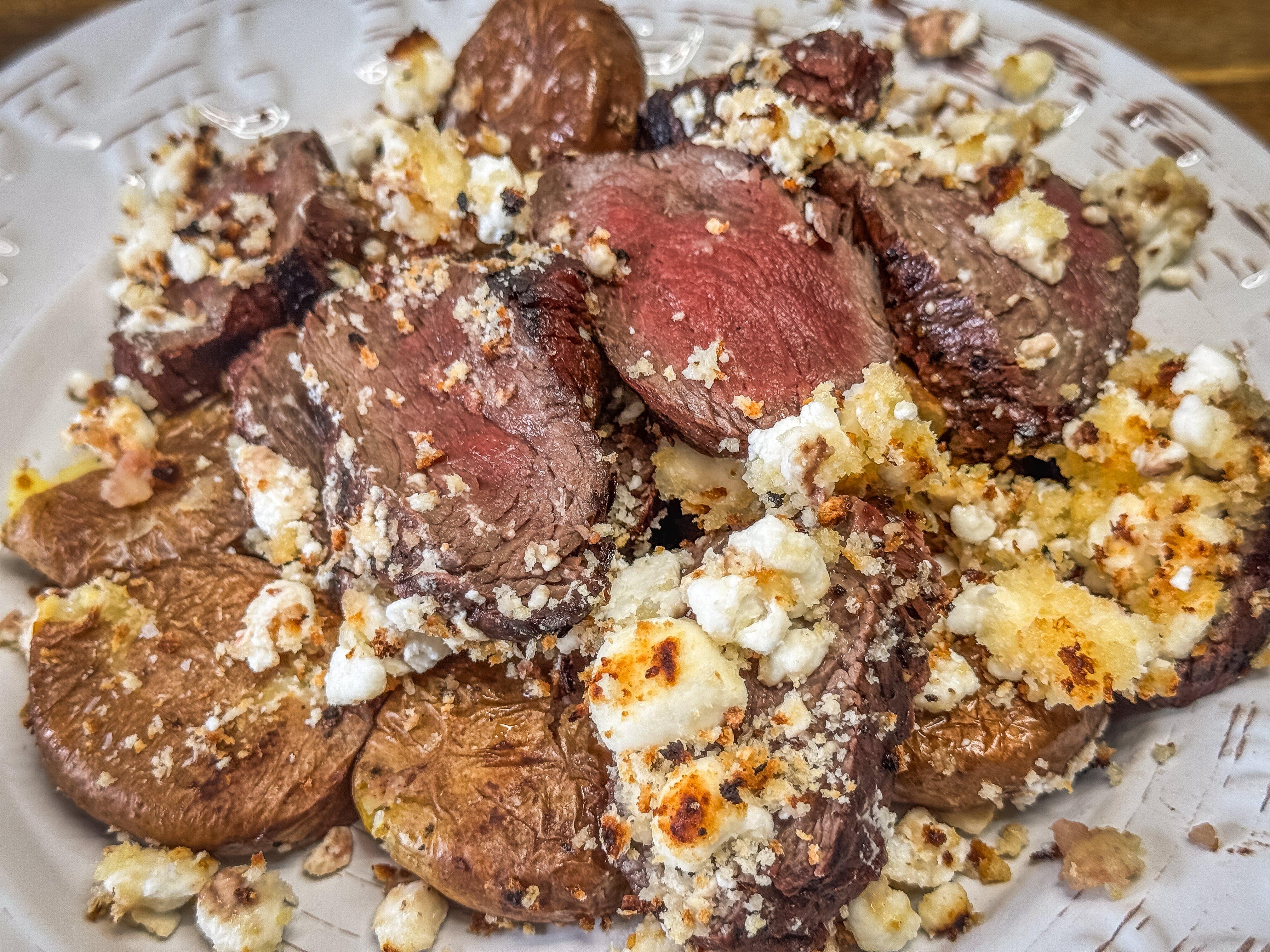
If you are a fan of goat cheese, this is the recipe for you, with tender-grilled backstrap topped with creamy cheese and crispy buttered bread crumbs. Images by author
If you fall into the “no” category but still want to try this recipe, simply substitute blue, feta or even parmesan cheese for less of the funky goodness goat cheese brings to the table.
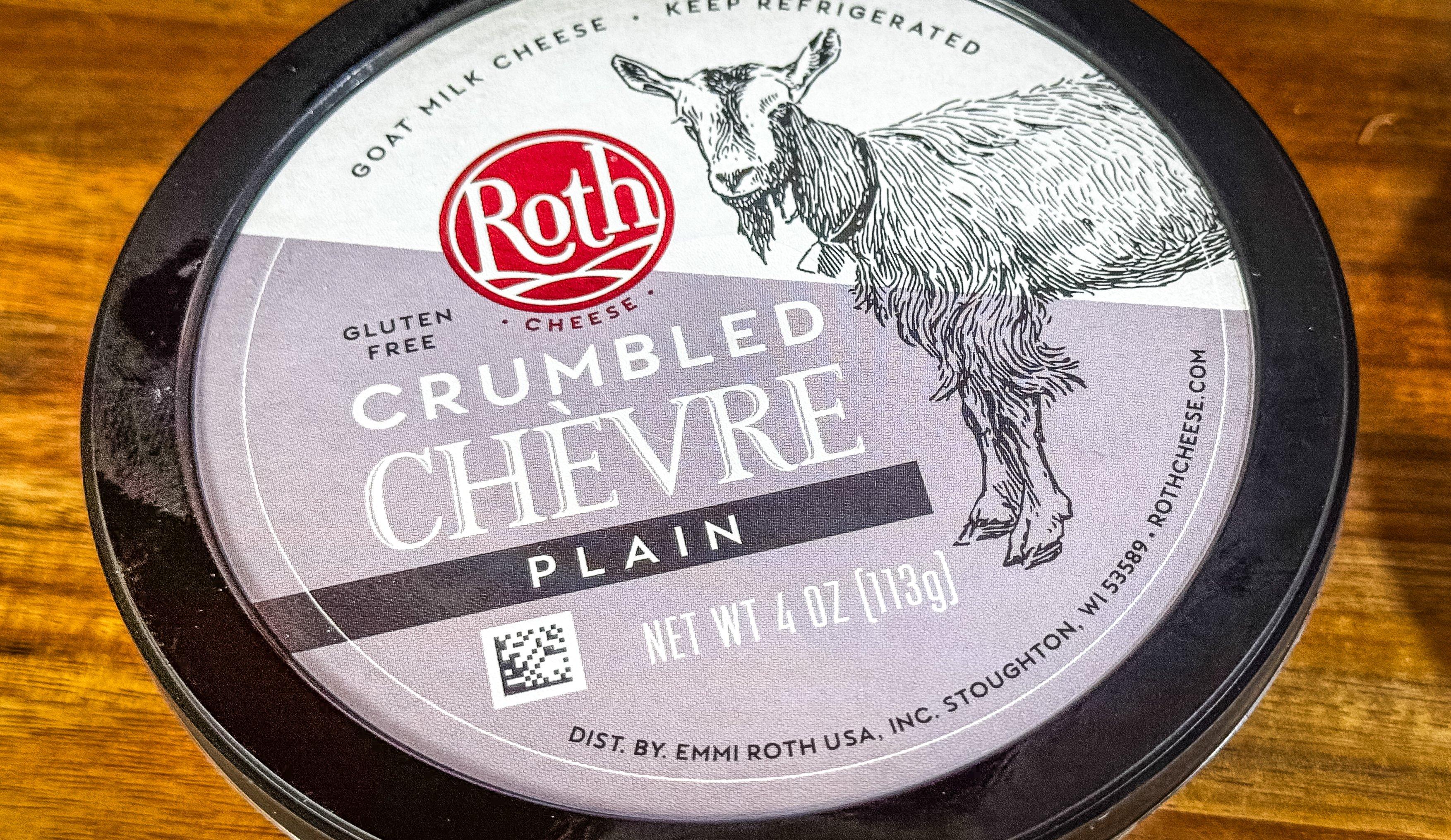
If you aren’t a fan of goat cheese funk, simply substitute blue or feta cheese in the recipe.
The backstrap in this one gets marinated for four to eight hours, so plan ahead. You can place the backstrap in the marinade and stash it in the refrigerator while you are out hunting or at work if you know you will be short on time before cooking.
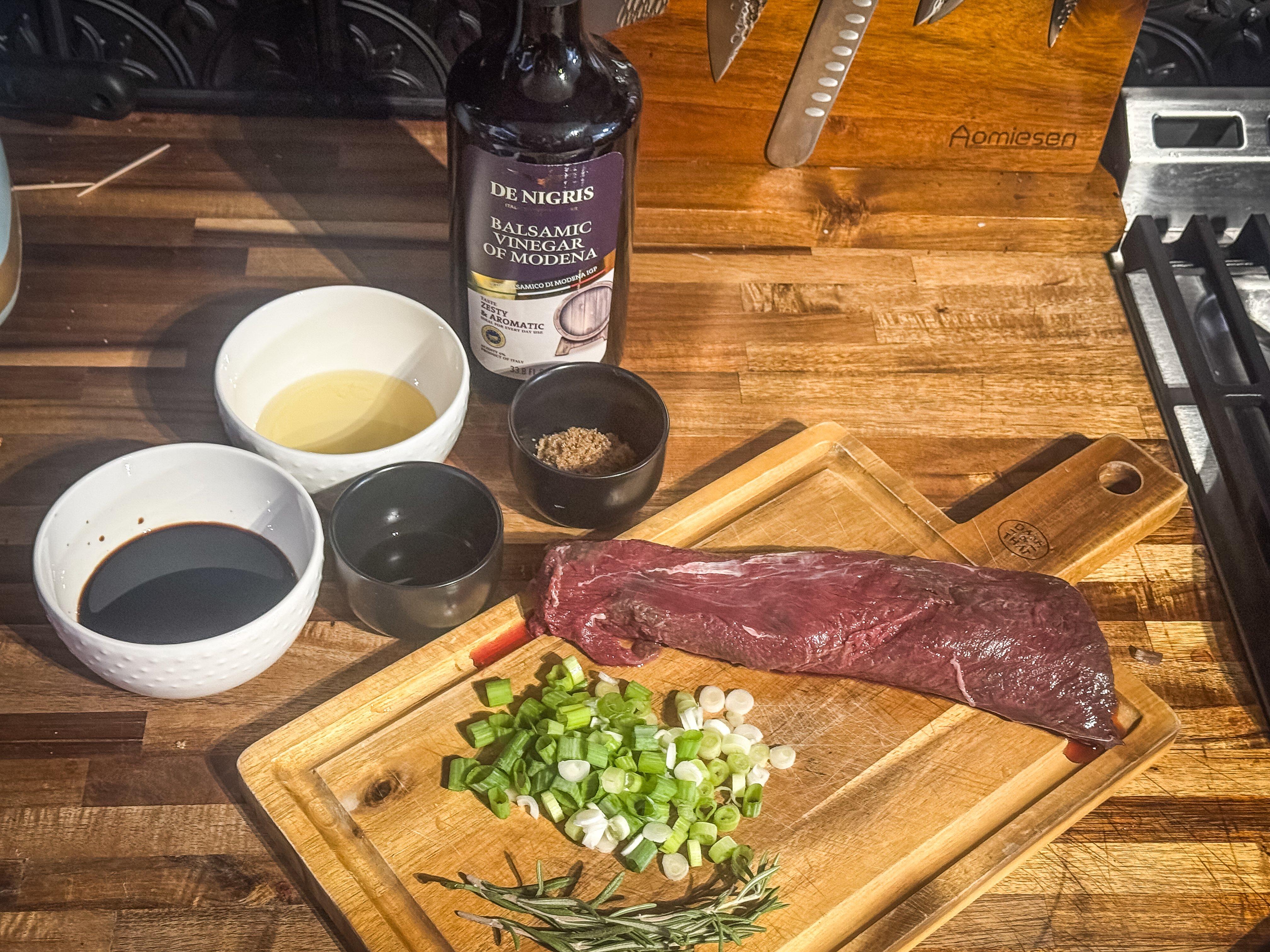
Mix the marinade ingredients and pour over the backstrap before refrigerating.
Simply mix the marinade ingredients in a gallon sized zip top bag, then drop the backstrap roast in. Work it around a bit to make sure the meat is well covered, and then refrigerate.
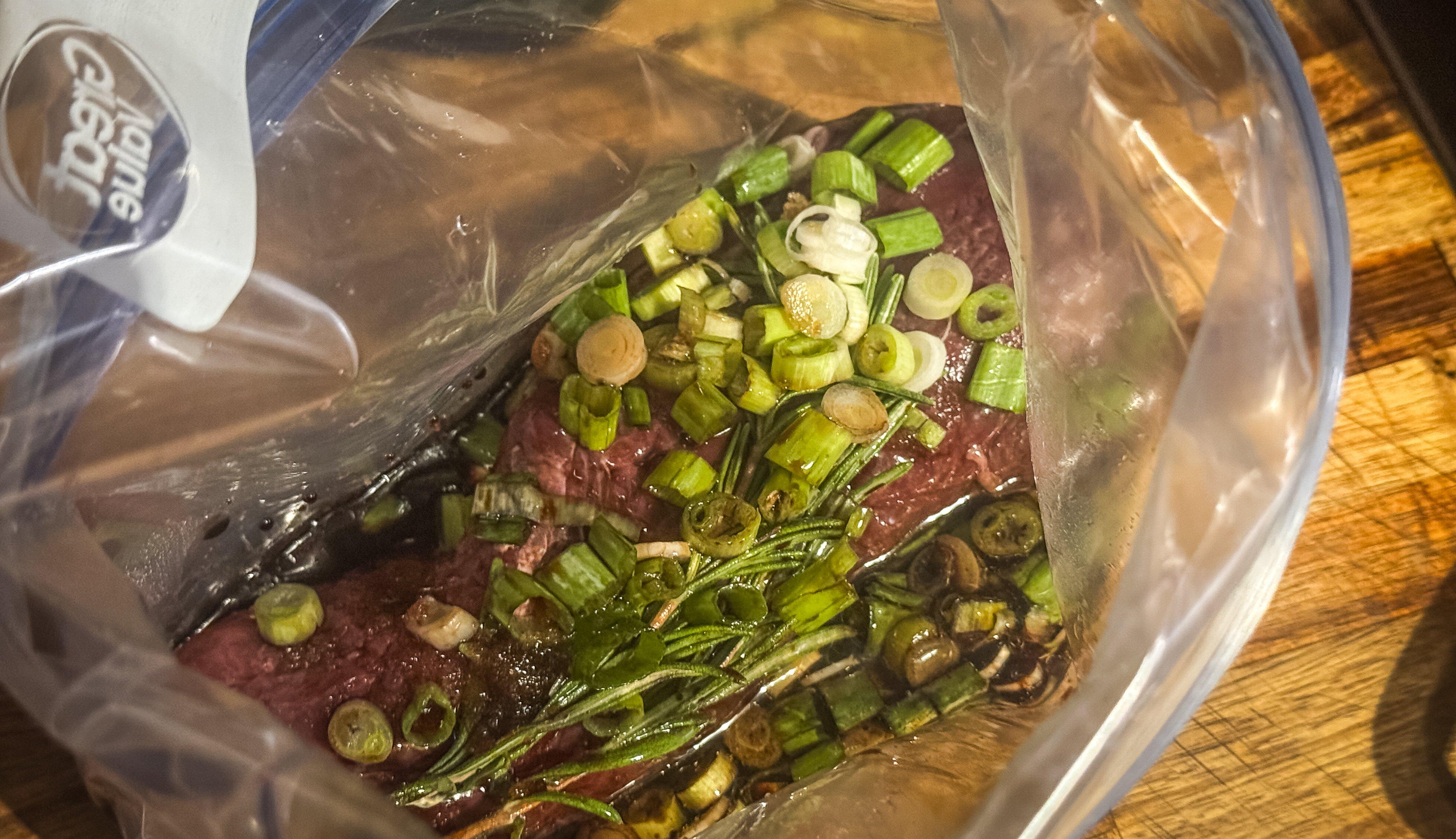
Marinate the venison for at least four and up to eight hours.
This recipe is a combo cooking method. First, drop some new (small) yellow or red potatoes in a large skillet. Give them a drizzle of oil and a good sprinkle of salt and pepper. Place them into a preheated, 350-degree oven for about 45 minutes to an hour or until they are soft.
Don’t Miss: 100 YEARS OF HUNTING WITH THE .270 WINCHESTER
When the potatoes are nearly finished, remove your backstrap from the marinade and pat it dry. Season with salt and pepper.
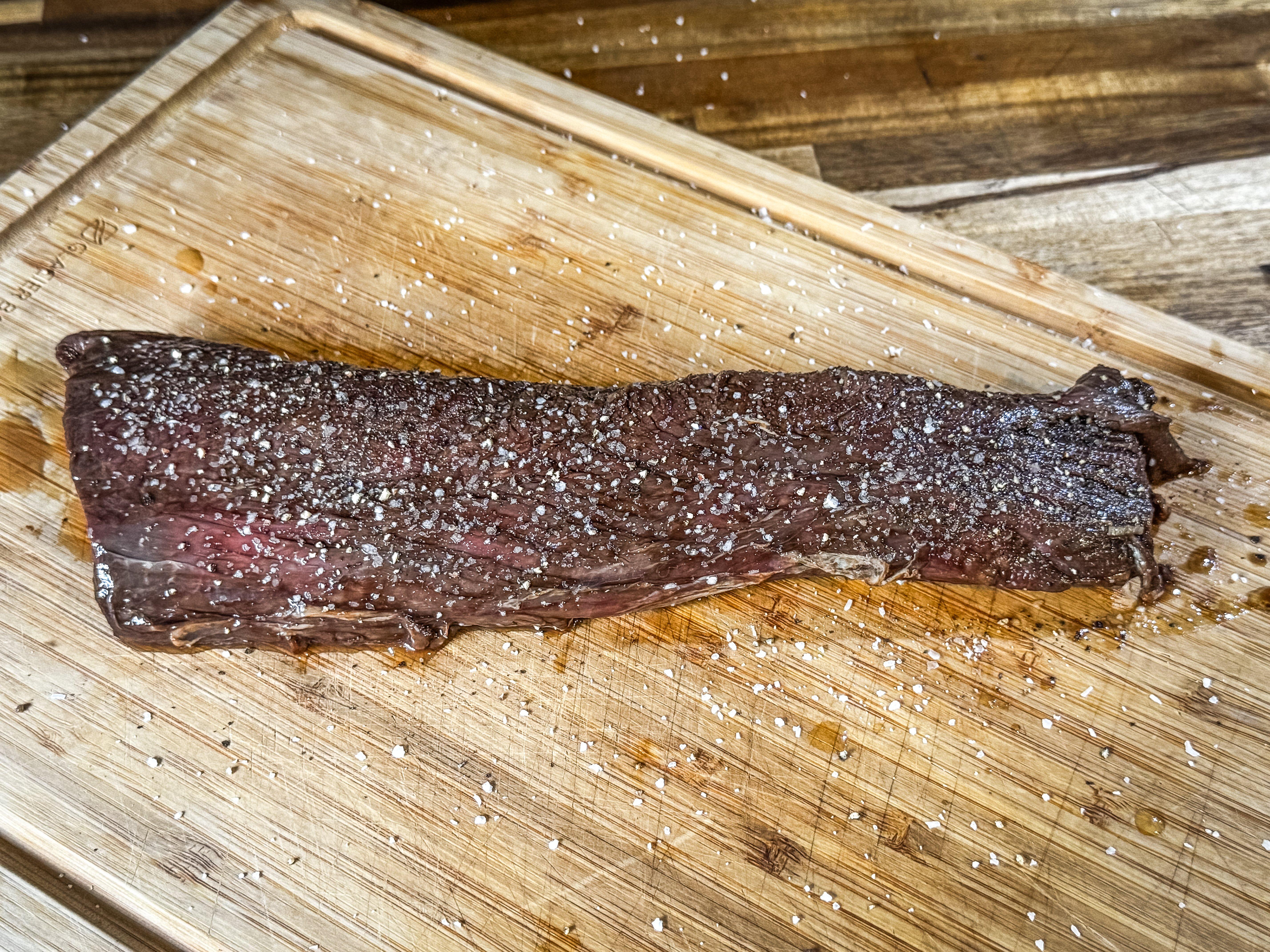
Remove the backstrap from the marinade, pat it dry, and season the meat before grilling.
Place the backstrap on a pre-heated grill at 375-400. The idea here is to get a really nice sear all the way around, but not to fully cook the meat all the way through. I keep a check on the internal temperature with a digital thermometer and pull it once it reaches 105 degrees internal. For this one, that took about 9 minutes total, with a flip halfway through to sear both sides well.
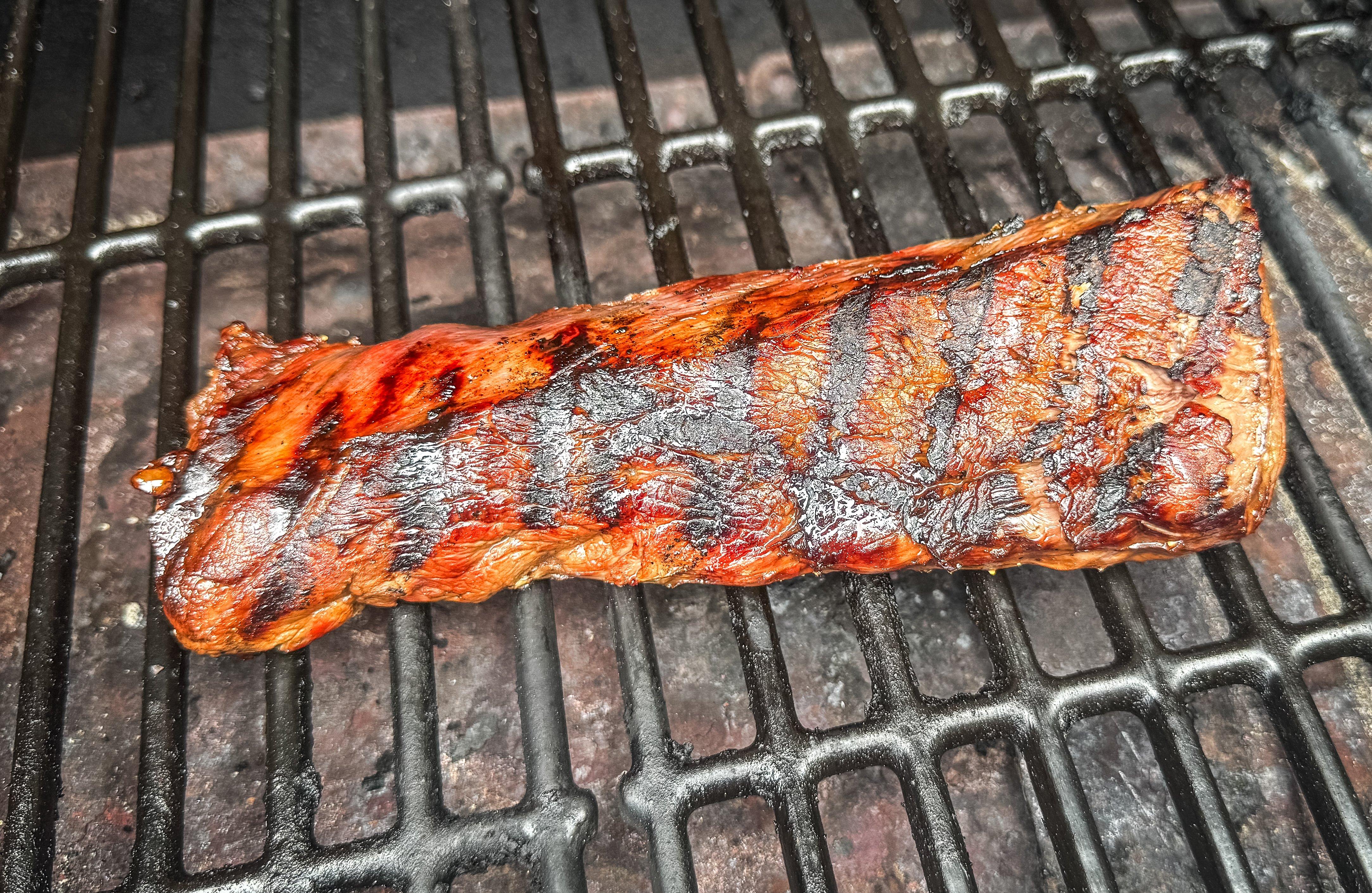
Grill the backstrap to rare, since it will continue to cook in the oven.
When the backstrap is ready, remove it from the grill and rest under a loose sheet of foil. Remove the potatoes from the oven and use the bottom of a glass or the flat side of a meat mallet to smash the potatoes flat. You want about a half inch thickness once they are smashed. After you have pressed down all the potatoes, give them a light sprinkle of salt and pepper.
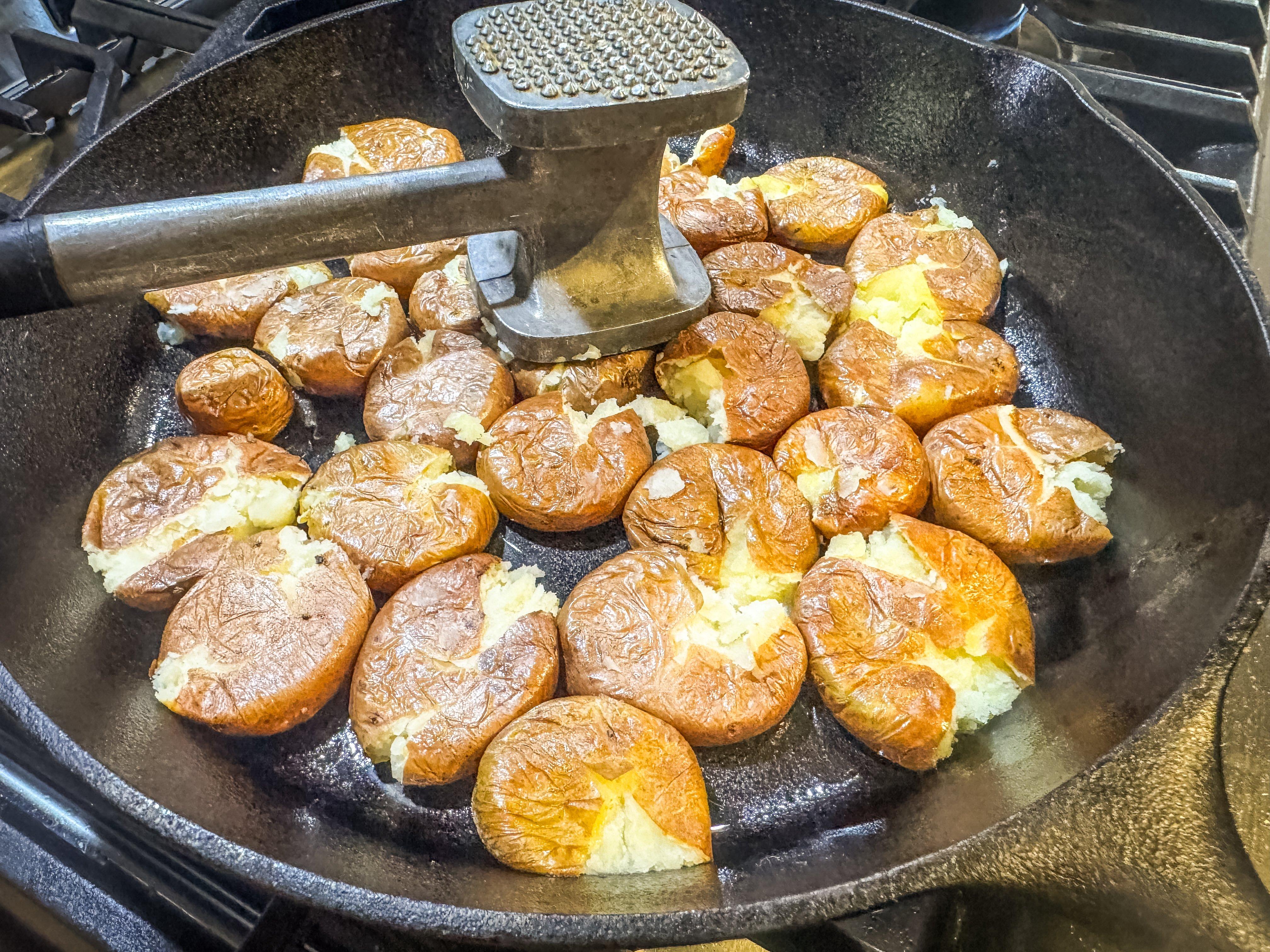
Roast the potatoes until they are tender, then smash them in the skillet.
Slice the backstrap. It should still be pretty rare at this point. It will go back into the oven to finish cooking.
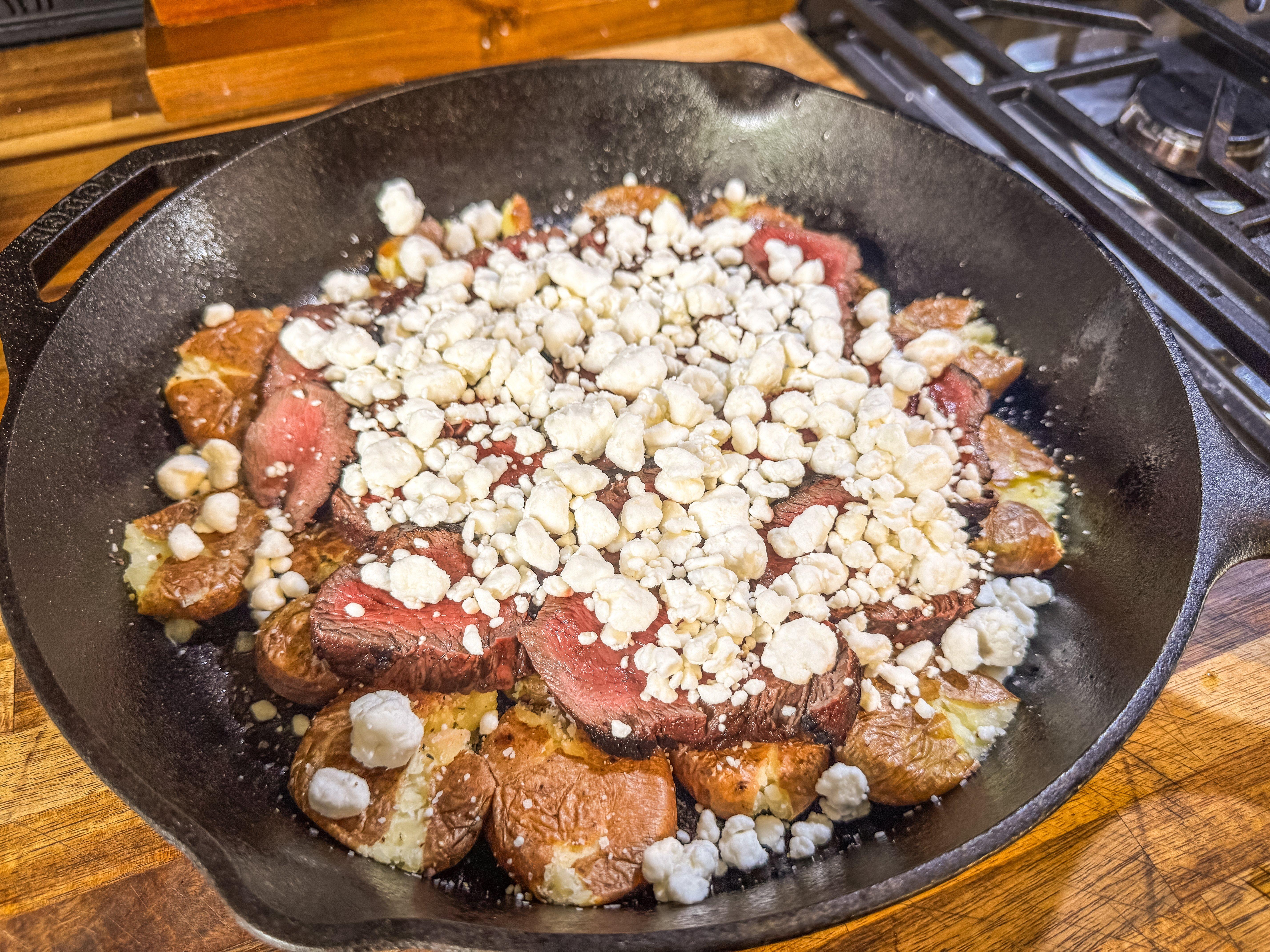
Layer the sliced backstrap over the potatoes and then top with cheese and butter before returning it to the oven.
Layer the backstrap over the potatoes in the skillet. Top with the goat cheese and sprinkle over the bread crumbs. Position the butter evenly over the bread crumbs and place the skillet back into the oven under the broiler. Once the bread crumbs are toasted and the goat cheese starts to melt, remove the pan from the oven. The backstrap should still be on the medium-rare side at this point.
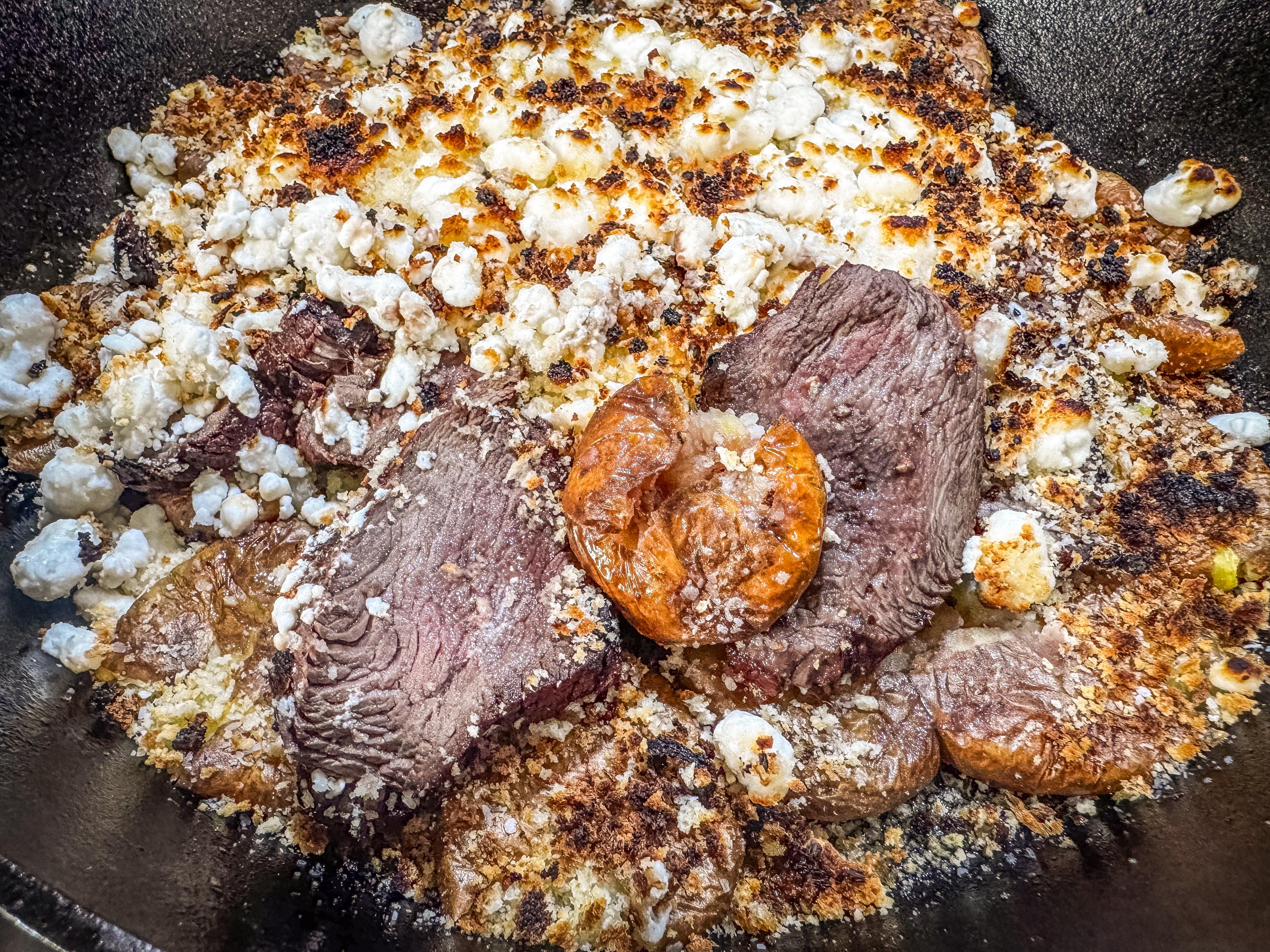
Roast just long enough to soften the cheese and toast the breadcrumbs.
To serve, simply scoop out some potatoes to a plate and make sure your dinner guests have a few slices of backstrap and plenty of the crispy topping.
Don’t Miss: HOW TO PACK A MOBILE CAMP KITCHEN
Ingredients
1 ½ -2 pound backstrap roast
1 pound new potatoes
1 cup goat cheese crumbles
½ cup bread crumbs
4-5 pats of butter
Salt and pepper
MARINADE
½ cup balsamic vinegar
⅓ cup vegetable or olive oil
1 tablespoon soy sauce
1 tablespoon brown sugar
2 green onions, chopped
2 sprigs fresh rosemary
author at Timber 2 Table recipes