65 Great Tips for Hunting the Rut
Posted 2026-10-30 by
From top stand locations to scent tricks to calling strategies, these tips will keep you in the game. Just don’t forget to look up and pay attention as you’re reading them
It’s finally November, time to take off work for as many days as you can, and time to stay in your stand all day if you can hack it. No matter what phase of the rut you hunt, there will be flurries of deer activity, followed by periods of downtime each day. During those lulls, you’ll pull out your phone and start scrolling (let’s face it, we all do it). After texting your buddies to see if they’re seeing anything, pull up Realtree.com and browse this collection of our best rut-hunting tips. Just remember to look up every now and then and pay attention, because you never know when a randy buck will come cruising by.
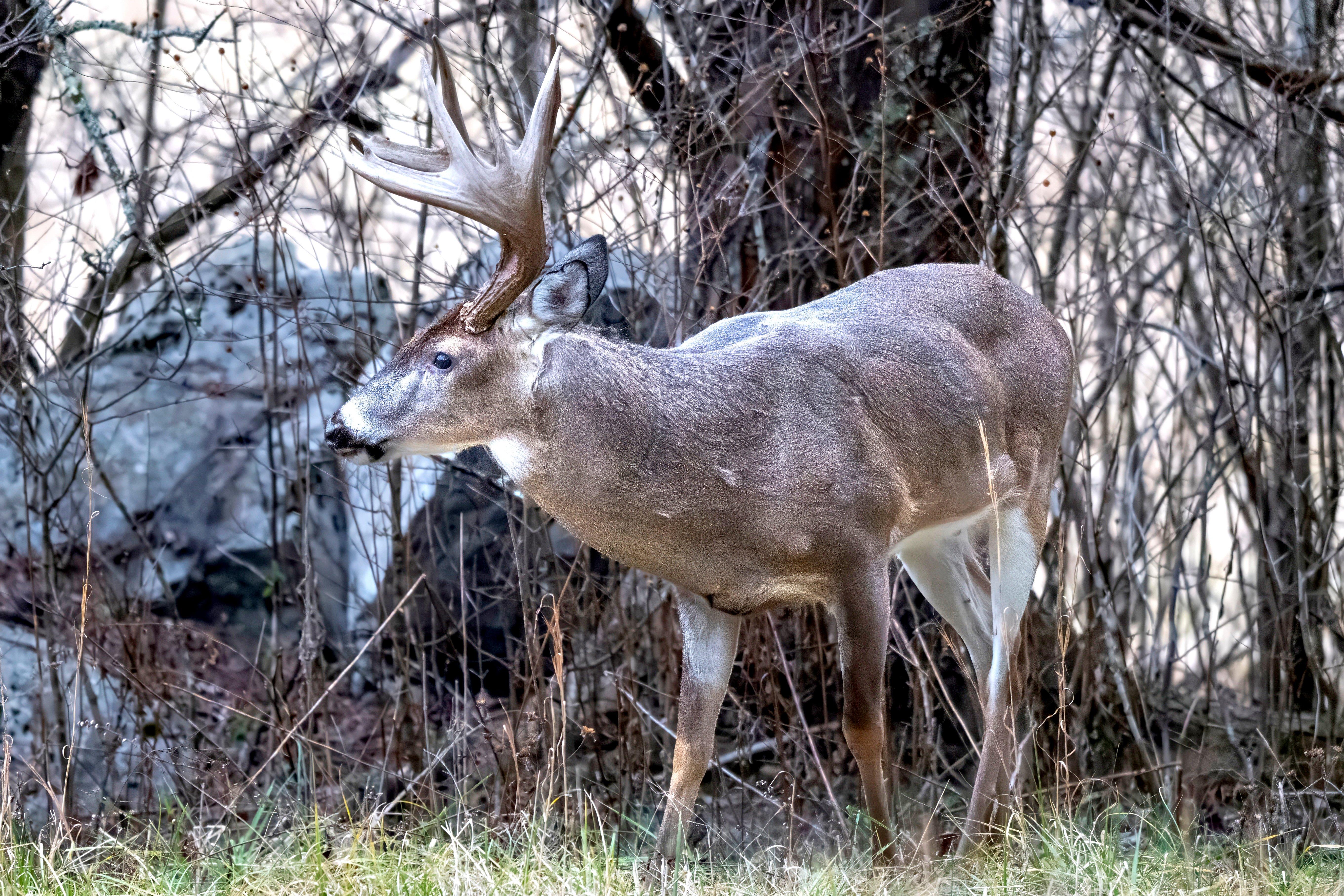
November rut means big bucks are on their feet, and this collection of tips will help you put your tag on one. Image by Christopher J Barger
1: A Tennessee study found that bucks love to rub in fingers of timber that drop off the sides of ridges. The more brush and saplings, the more rubs you’ll find there. If they are fresh, set up nearby.
2: Thick trees with scarring from years of rubbing are “signposts.” Generations of older-age bucks deposit pheromones on these big rubs year after year, and that plays an important role in the dominance ladder of a herd. All does and bucks interact with signposts — they smell and rub them — but only mature bucks make them. A signpost is always located in an area with high deer traffic, so hunt there.
3: My hunch is that November 3, especially if it’s a cool day with high-pressure, will be a good Tuesday to take off work at noon to vote, and then hunt the afternoon. The moon will be last quarter, the phase when a study by N.C. State researchers found that deer movement is often extreme, with the last hour of the day especially good.
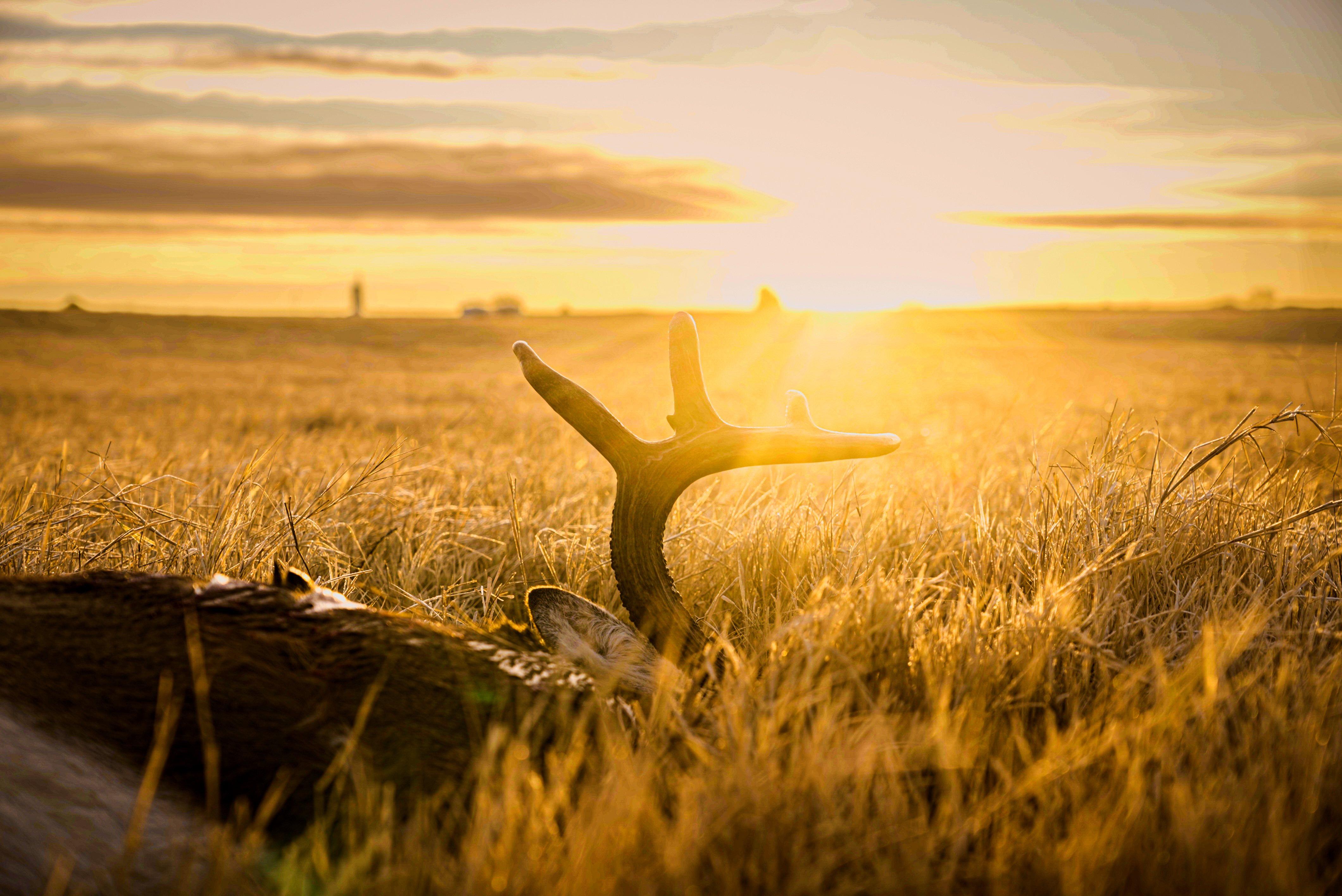
Get into the stand after voting this year on Election Day, and watch for big buck movement right before dark. Image by Realtree
4: In the hard pre-rut (roughly November 1 to 10) try setting two wicks soaked with buck tarsal scent near your stand. A belligerent buck in the area might smell what he thinks is an intruding rival and roll in for a look.
Don’t Miss: ODD-BALL TACTICS FOR MATURE WHITETAILS
5: If you’re off and hunting November 9-12 during the new (dark) moon phase, expect deer to be most active first thing in morning. Get to your stand early in the predawn, and be especially vigilant until 8:30 am or so.
6: Around November 12, break out the hot-doe scent. Hang scent wicks 6 feet or higher so the wind and thermals swirl and carry the sweet scent through the woods.
7: One November day in Illinois, a warm wind was blowing 25 miles per hour. “I wasn't going out,” says bowhunter Gary Sulcer, “but I did.” He’d been in the woods mere minutes when a doe skated by his stand with a bruiser hot on her heels. Gary’s arrow was true, and the main-frame 8-pointer scored 160. Lesson: When the rut is on, go when you can, no matter the conditions.
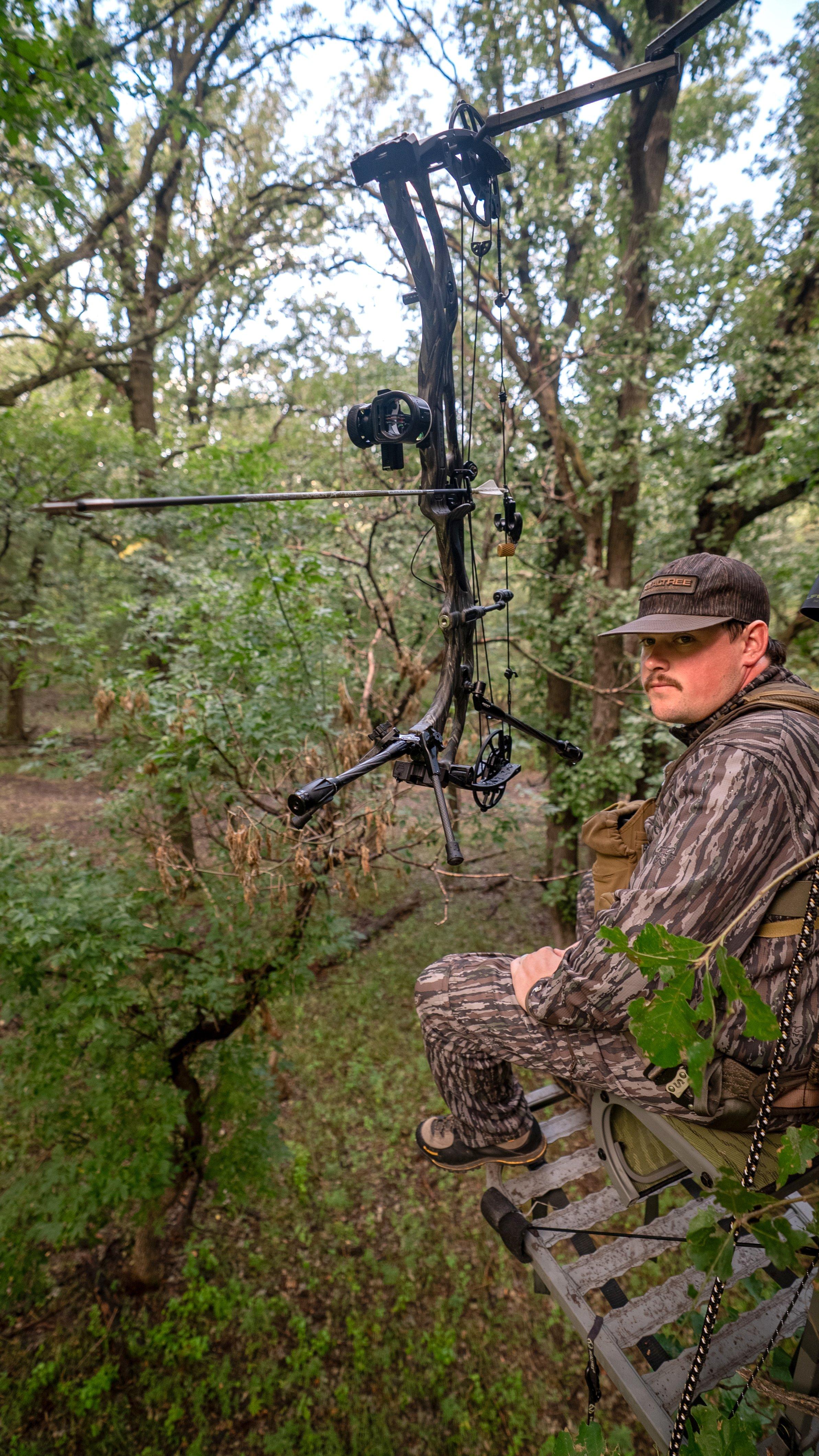
When the rut is on, hunt as long and as often as possible, regardless of weather conditions. Image by Realtree
8: Some studies show deer move and rut hard when the barometer is rising between 29 and 30, so don’t miss those days.
9: Penn State researchers tracked GPS-collared deer for a month, during which it rained nine days and 22 were dry. Bucks moved on average eight-tenths of a mile on dry days and six-tenths on rainy days. That’s negligible, so don’t let rain stop you.
10: Researchers tracked the harvest records of clubs on several Tennessee properties for give years. The field data showed that 95% of the 3.5-year-old and older bucks harvested over that period were killed within 100 yards or so of a known sanctuary, such as a pine or cedar thicket, overgrown brush field or regenerating clear-cut. Keep thick cover in mind when setting up.
Don’t Miss: FROM HOW FAR AWAY CAN A BUCK BUST YOU?
11: When scouting for rubs, I zero in on snapped and mangled pines, cedars, or saplings, sign that an especially aggressive buck is working the area. That is the kind of deer I want to hunt because he’s apt to move a lot and make a mistake in daylight hours.
12: Glass a buck’s tarsal glands. As a buck matures, his hocks appear bigger and blacker during the rut. Coal-black hocks the size of softballs means an old deer.
13: Maybe it’s a ditch on a ridge, a fence corner 30 yards back in the woods off a bean field, or maybe a narrow creek bend or crossing. Whatever the case, “inner terrain” funnels steer the movements of bucks as they prowl from one doe unit to the next. Hang a stand and watch one.
14: Bowhunter Kevin Robinson kills big deer in the suburbs of Missoula, Montana, by being patient. “Not hunting in October is hard to do, but I know how good it gets as the rut comes on,” he says. In November, Kevin sets tree stands low in mountain draws, often fairly close to houses, roads and developments. “Bucks that live up in the hills start moving down and looking for does, and it’s game on,” he says.
15: Biologists say that most all bucks anywhere in the country leave their core areas and go on “rut excursions” of 2 to 6 miles on average at some point in November. While some of the bucks you have on camera and hunted back in October will go AWOL for two weeks or so, you’ll pick up “new” bucks moving into your area. Those vagabonds won’t be on your property every day, but they’ll drift through from time to time, checking doe units and hoping to get lucky. Sit your best stands every day for a week and you’ll probably see bucks big and small that you’ve never seen before.
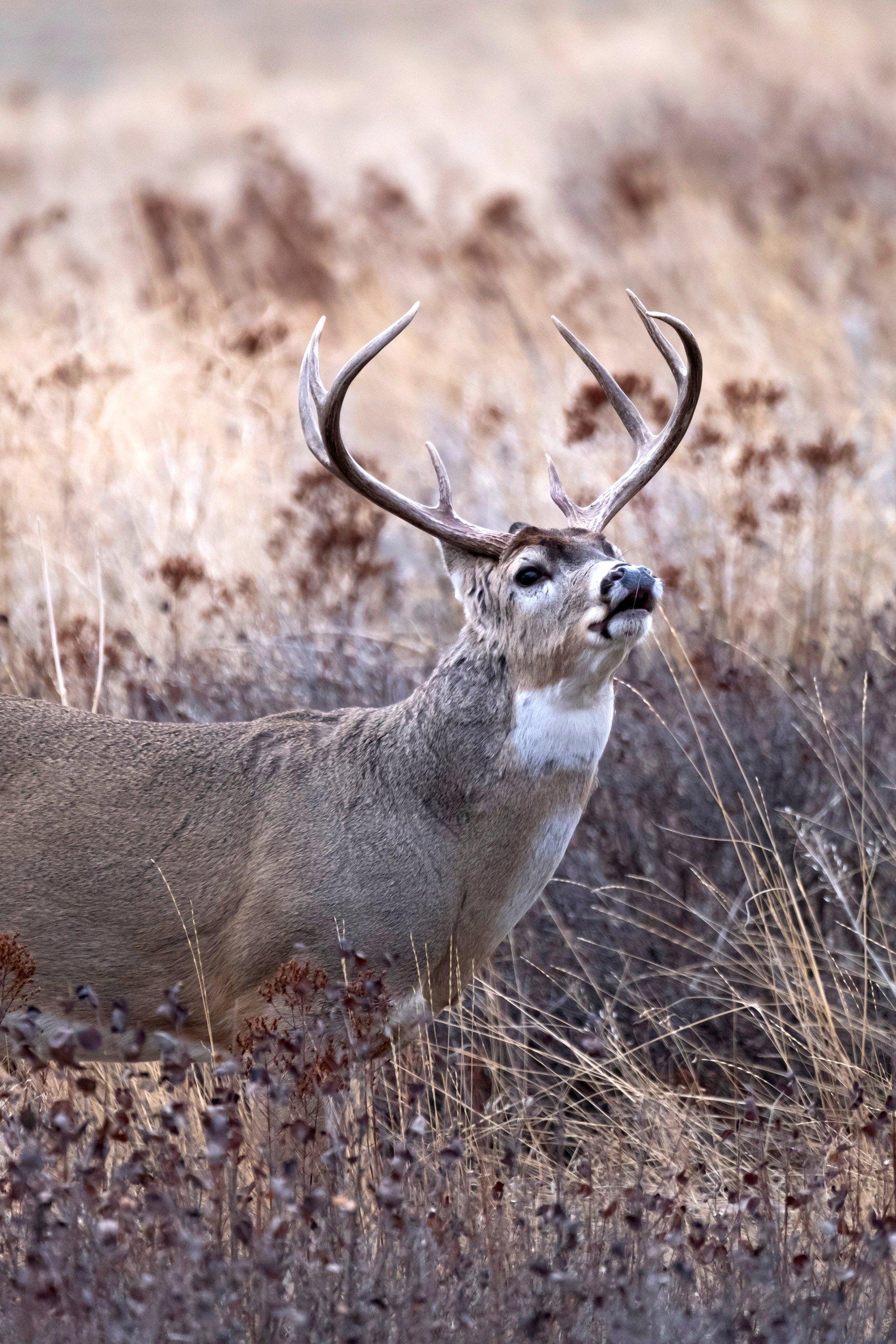
Mature bucks might stray 2-6 miles away from their home range during rut, meaning that a new buck can show up at your hunting spot at any time. Image by John Hafner
16: Dr. Bob Sheppard of Alabama spent 23 years building a database of more than 3 million data points on what gets deer moving in daylight. He says unequivocally that a bright, clear, cold day, with a 10-15 mph wind is the best time, especially during the rut.
17: Killer big-buck morning: Frosty, high-pressure, with temps in the low to mid-30s, and some light wind. Hang tough on stand until at least 11:00 a.m.
18: “We’ve analyzed tens of thousands of camera images, and our data clearly show one spot where mature bucks move freely throughout the rut: the intersections of two or more drainages and/or fingers of timber deep in the woods.” — Whitetail biologist Mickey Hellickson
19: Hot Rut Stand #1: Downwind of the junction where several draws and finger ridges intersect. A buck might rut a doe through the area any time of day.
20: Hot Rut Stand #2: Somewhere strategically along an edge where pines or cedars meet second-growth hardwoods. Bucks love to rub, scrape, and prowl for does on a “break line.”
21: A scrape without a broken, mangled lick branch dangling above it is not worth hunting. Move on.
22: Watch active scrapes 75-100 yards from dense bedding cover. You might catch a good buck milling around scrapes closest to his sanctuary at first or last light.
Don’t Miss: THERE'S SOMETHING SPECIAL ABOUT DROP TINES
23: On ridges and flats where you found the most acorns back in September, expect moderate to heavy rubbing and scraping in early to mid-November. Circle back and hunt stands you hung in those spots.
24: The University of Georgia research found that multiple bucks may hit one set of scrapes while scrapes just 100 yards away mysteriously go dormant. Scout, move, and hunt the hottest sign.
25: Set up too close to scrapes and deer might see, smell, or sense you there. Back off 100 yards or so, even when bowhunting, and watch for a buck circling into scrapes from downwind.
Back off 100 yards from an active scrape to catch a mature buck circling downwind before he goes in to work it. Image by Realtree
26: Scent trick: Wear rubber gloves and clip a mangled lick branch, which holds the forehead and saliva scent of multiple bucks and does, from atop an active scrape a half-mile or so away from a spot you are hunting. Wire the stolen branch with live deer scent over a mock scrape you build near your stand.
27: Hot Rut Stand #3: Downwind of the “X” where two main, well-used doe trails cross. Fresh rubs and scrapes along the trails make the set all the better.
28: Carry a climbing stand in your truck. Use it to move in for a quick-strike ambush on a ridge or in a bottom where you just got a camera image of a big buck moving in daylight.
29: Hot Rut Stand #4: Forty yards back in the woods (bow) or 75-100 yards (gun) off the corner of a crop field and along a main deer trail. After daybreak, does will filter in from several directions, converge in or near the corner and make their way back into the timber. Bucks prowl a corner where they can see and scent check does heading for bedding cover.
Don’t Miss: 9 MUZZLELOADER DEER HUNTING TIPS
30: In Indiana one November day, bowhunter Brent Ireland got a single cam picture of a double-drop giant. He hung a stand on the ridge near his camera and killed the 199-inch beast two days later. Lesson: Get an image of a monster on his feet in daylight, move in, and hunt him right now.
31: If you spot a doe flitting through the woods with her tail erect and shaking, she is ready to breed or almost ready. A buck or bucks will be close, stay on your toes.
32: Hot Rut Stand #5: Lock-on hung on a hogback ridge flanked by beans or corn on one side, and a swamp or thick CRP cover on the other.
33: A solid set of 140-inch shed antlers is the rattling bomb, with just the right tone and volume. Tip: Hold one antler tight to your body and bang and grind on it with the other side to cut down on hand movement.
34: One humid and fun morning in Texas we rattled up 15 bucks. My guide Clay told me, “With moisture thick in the air, horns have a high-pitched tinkling, and bucks like that.”
35: The best time to rattle is an hour after sunrise to 10:00 a.m. I don’t carry horns in the afternoon.
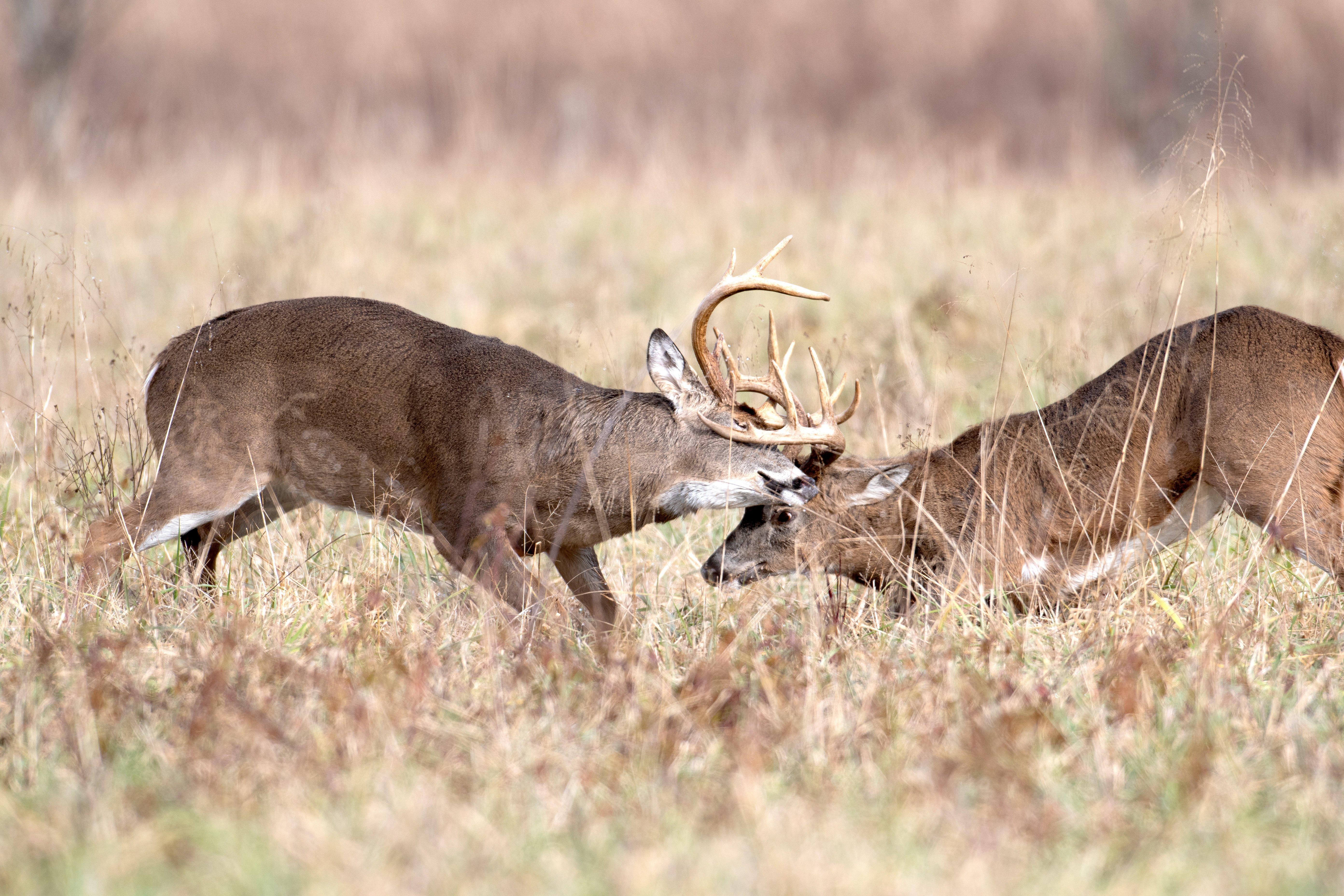
Rattling tends to produce more action on morning hunts. Image by Tony Campbell
36: Research shows ground rattlers don’t see half the bucks that respond and start to come in. Elevate and rattle from high ground, or a tree stand or tripod, to spot more bucks.
37: A stud buck chasing or tending a doe makes loud, weird grunts. Blow urrrp, urrrp or urrrg, urrrg on your tube call to mimic it.
38: Blowing a sequence of 10 to 12 grunts on your call is most realistic.
39: When a buck rolls in out of nowhere don’t reach for your call. Bleat or grunt sharply with your voice — blaatt or eckkkkk — and he’ll stop. Remember to draw your bow or aim your gun before you stop a buck. It’s easy to forget in the heat of the moment.
40: Good rattling/grunting setup: Wind in your face and rock bluff or stream at your back. A buck can’t circle downwind and bust you.
41: My favorite muzzleloader setup is to sit on a secluded hillside and look 120 yards or so across to an adjacent ridge or hillside where I can cover two or three thickets. Rutting bucks move all day from one cover to the next, checking for does.
42: Hot Rut Stand #6: A creek or shallow river crossing pocked with fresh tracks in brushy woods. The waterway dictates and funnels most all deer movement through the area.
43: “On land that has been managed for years, many 5- and 6-year-old bucks can’t compete with the aggressive 3- and 4-year-olds anymore, or don’t want to,” says Iowa bowhunter Don Kisky. “Some old giants travel across the fences and take up residence where there’s less competition for does. If that happens to be where you hunt, great.”
44: On public land, wear orange, set a tree stand or blind in thick, secluded cover and sit in it all day. You might catch a buck rutting a doe on natural movement, or another hunter might drive a 10-pointer to you. Either way, you win.
45: You wouldn't shoot a doe on a rut hunt and mess up your spot, right? Hmm, think again. Missouri biologist Grant Woods has on occasion shot a mature doe and let the dead deer lie in front of his stand. “The smell of an adult doe in a pre-receptive or receptive stage (of estrus) is a great attractant to a mature buck,” he says. “I’ve shot several bucks while they were actually sniffing the doe I had harvested earlier in the hunt.” Woods says that even the disturbance of a single rifle shot doesn’t matter when bucks are rutting. “I realize this is contrary to popular belief, but it can work,” he says.
46: Douse a doe decoy with estrus scent and set her in a clearing where a buck can see her and approach comfortably from downwind.
47: From around November 8 and for the next two weeks, a big, loner doe is ready to breed. If you see one, watch closely, a buck is going be on her tail soon.
48: Sometimes you can smell a rutting buck upwind of your stand before you see him.
49: A 10-pointer chases a doe close to your stand. The instant the buck’s vitals are visible and the shot (bow or gun) is clear, take it! The pair might stand there panting for a minute, or they might crash off any second. Don’t miss your chance.
50: One November morning in Saskatchewan, a doe kept throwing up her head up and looking back into the timber. I aimed my .30-06 just behind her. The doe bolted as the 150-incher broke out of the woods, grunting like a market hog, and I shot him. Lesson: Watch the does, they give away the bucks in the rut.
51: In mid-November, some weary does sneak out to ditches, blowdowns, or pockets of brush in fields and hide where bucks can’t chase them anymore. Bucks follow the girls out there and keep hassling them. Glass spots like that and be ready to move in.
52: Hot Rut Stand #7: A good post for a mid- to late-November afternoon is 70 to 100 yards back in timber and along the thickest, nastiest ditch that leads out to crops.
53: Don’t waste precious rut-hunting time. If you sit in a spot for three days but don’t see much, move.
54: Dilemma: Pass the first buck that chases a doe past your stand because a bigger buck might come along later? Advice: If you’re happy with the first rack, take him.
55: I’ve become a big fan of scent ropes and hang them over 4 or 5 scrapes I find in different corners of my land. I pull apart the thick, twisted hemps, and douse them with both buck and doe scent (either urine or synthetic depending on which is legal in your state). A rope acts as a good replacement for a vine or lick branch over a scrape. Ropes absorb scents deeply and stand up to the weather. They collect the pre-orbital and saliva scent of multiple bucks and does that come in and rub and chew the ropes. This keeps your man-made scent posts active for weeks to hopefully attract bucks to your stands.
56: Oklahoma study: When bucks embark on long excursions in search of does, they tend to travel in linear patterns. By roaming for miles in straight lines, they maximize their chances of contacting hot does. Set several stands along a linear creek bottom or ridge to intercept a buck.
57: The University of Georgia Deer Lab analyzed a random sample of grunt calls to see how they might sound to a buck. They found that the call companies had done a good job of creating realistic grunts. All the tubes they tested produced similar grunting sounds, with the strongest frequency range between 3,000 and 4,000 hertz, which is well tuned to a deer’s hearing. They also point out that while most grunt calls sound true, they need to be blown fairly hard for deer to hear them.
58: When gun season opens on public or club land, monitor where people park their trucks and enter the woods. Then look for a secluded, undisturbed spot that others overlook. It might be 2 miles deep in the woods, or just 200 yards off a back road.
59: You’re still-hunting along and a doe jumps out of a ditch. Find the nearest tree, rest your rifle against it and be ready for a buck to roll up out the ditch next.
60: One November 18 in Wyoming a couple years ago, it was 70 degrees and windy, and I spotted deer rutting all day. When you hit the rut right, it can be exceptional. I shot a 150-incher dogging a doe at 3 p.m. Lesson: Go hunting, the pull of peak rut overrides warm weather.
61: Post-rut hunting can be a lot better than you think. Research from Maryland shows that 20 to 40 percent of mature bucks continue to make long doe excursions in late November and into early December. Keep grinding.
62: After Thanksgiving, hunt Tuesday through Thursday and you’ll have the woods to yourself most days, even on public land.
63: One December 3rd in Kansas, my friend Jim Riley saw three bucks hassling a small doe. The next day he went back to the same patch of woods, and saw five bucks dogging the same big doe. He shot the biggest 8-point. Lesson: Find the last hot doe and stick with her.
64: Top rut stand #7: Ground blind hidden in a narrow strip of woods that connects 2 blocks of woods. Bucks run the “point-to-point” looking for does.
65: In late November into the first week of December, lay a doe-in-heat trail into your stand. It can actually work better now to bring in a buck because there are fewer receptive does misting the woods in post-rut.
Don’t Miss: DOES OZONE REALLY WORK FOR DEER HUNTING?