Why Standing Cornfields are Big Buck Magnets
Posted 2025-09-15 by
Think you can’t shoot a mature deer until the corn is cut? Think again. If the author had his way, the golden rows would stand until Christmas
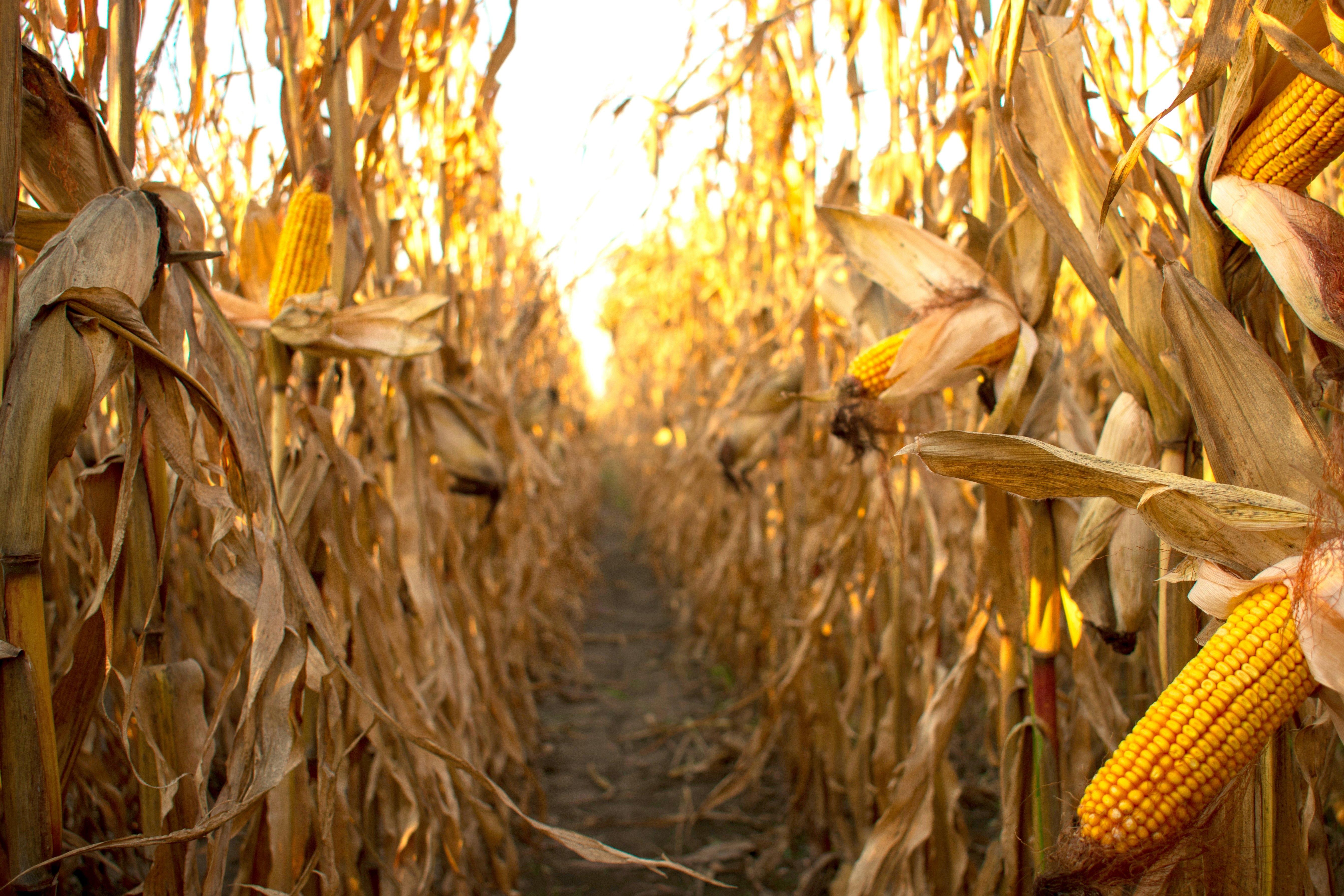
Standing corn can provide deer with food, bedding, travel corridors, and protection. (Photo by RomaMCS)
Every fall I hear the same refrain from deer hunters in farm country: “I can’t wait until the corn comes down so I can get out there and hunt.”
For many hunters, standing cornfields are seen as nothing but obstacles; walls of cover hiding the deer they’re after. Combines rolling across the horizon signal hope that whitetails will finally pour into the timber, predictable and exposed. But after decades of bowhunting across Midwestern farm country, I’ve come to believe just the opposite. Standing corn is not my enemy. It’s my best ally. If I had my way, those golden rows wouldn’t hit the ground until Christmas.
CORN AS MORE THAN FOOD
Hunters often reduce corn to its role as food, and yes, deer eat plenty of corn. But that’s not even close to the biggest benefit of having standing corn where you hunt. It’s cover. A standing cornfield is essentially a fortress. It provides bedding, travel corridors, and — most importantly — protection from hunting pressure. You’ll bump into pheasant hunters pushing through switchgrass and brushy fencerows. You might see dove hunters bouncing around CRP fields. But you’ll rarely see anyone walking through a dense cornfield in October or November.
That absence of human intrusion is what makes standing corn so valuable to mature bucks. Deer crave security above all else, and nothing feels safer than hundreds of acres of thick, vertical cover. For a 5-year-old buck in pressured farm country, it’s the safest sanctuary around.
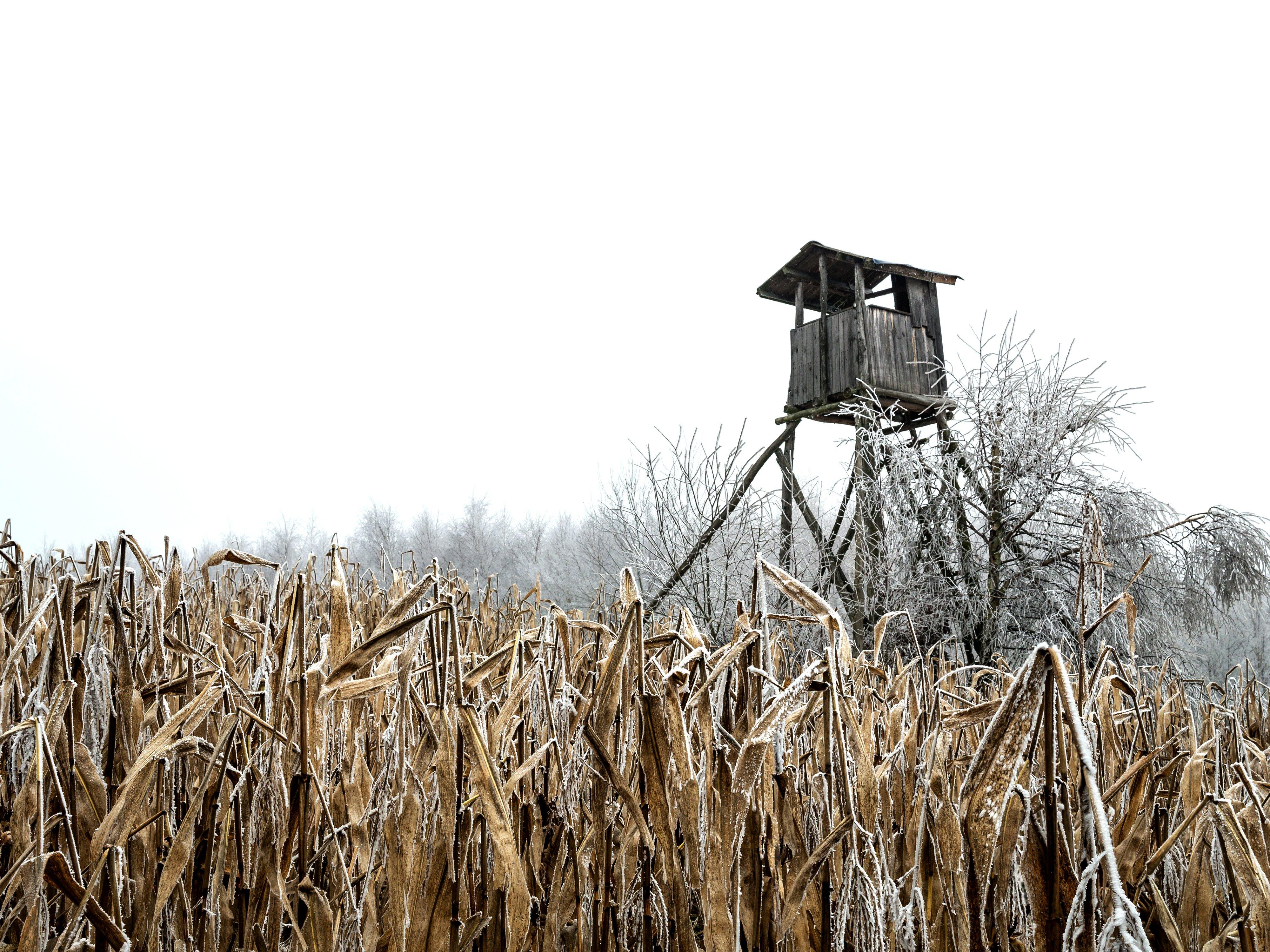
When hunting standing corn, focus on corners and pinch points where deer movement is concentrated. (Photo by pryzmat)
But when that corn comes down, the sanctuary disappears overnight. The deer don’t suddenly line up along the woods edge waiting to be shot. They move to the next best cover instead, which might be miles away. The hunter who cheered for the harvest is often left wondering why his “concentration of deer” vanished just as the hunting was supposed to get good.
LIVING NEAR THE CORN, NOT ALWAYS IN IT
Now, I don’t mean to suggest that every deer in the area lives inside the rows of corn. Some do, especially younger bucks or does with fawns. But in my experience, the bigger, older deer prefer to bed in thicker, permanent cover — swamps, shelterbelts, overgrown creek bottoms. What the corn provides is a secure route to and from those areas.
Don’t Miss: Why You Need to Shoot a Doe (or Two) This Season
Think of standing corn as a network of highways crisscrossing the landscape. Deer use it to move safely between food and bedding, often in daylight, because they know they’re virtually invisible inside it. When that highway system is intact, you’ve got predictable travel. When it’s gone, patterns shift dramatically.
THE BEST EDGE IN THE WOODS
When I’m hunting farm country, I’m hoping those acres are planted in corn, not beans. Soybeans might be great for glassing velvet bucks in August and for hunting during early September, if your season is open. But by October, beanfields lose their draw. Corn, on the other hand, only gets better as the season goes on.
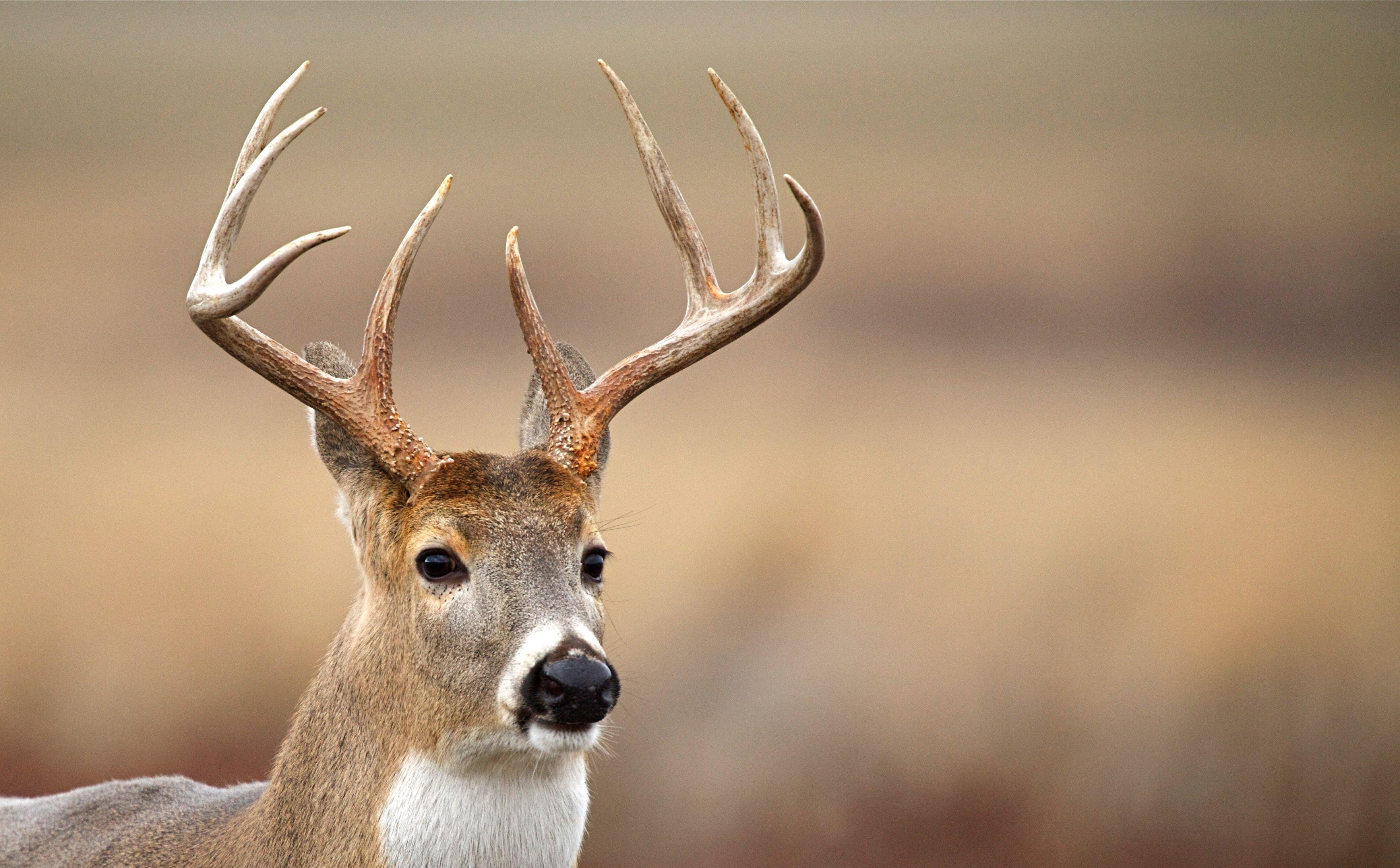
Standing corn provides bigger, older deer with a secure route to and from thicker, more permanent cover. (Photo by Tom Reichner)
And the hunting strategy couldn’t be simpler: hunt the edges. The line where corn meets timber, grass, or even another crop is a natural funnel. Deer hug those edges, slipping along unseen while still feeling secure. For a bowhunter, that’s gold, particularly as the rut nears. Bucks absolutely love to lay down scrapes along the cover line where corn meets woods. And unlike scrapes in the middle of an open field, these are scrapes bucks feel safe checking during daylight. They’re shielded on one side by a wall of corn and backed on the other by timber or brush.
I’ve killed multiple bucks in October by setting up on these corn-edge scrapes. They’re the ultimate daylight calling card — visual signposts put down in a place that screams security.
TIPS FOR HUNTING STANDING CORN
If you’ve got standing corn, here’s how to maximize the hunting opportunity around it:
* Focus on corners and pinch points. Wherever a cornfield edge narrows against a woodlot, creek, or ditch, deer movement is concentrated. These are ideal ambush sites for a bow shot.
* Scrape lines are gold. Hang a stand 20 yards off an active scrape along the corn edge and wait for the right wind. This is one of my favorite areas to hunt in the pre-rut.
* Time your hunts with cold fronts. A drop in temperature, especially after rain, is prime for corn-edge action. Bucks love to freshen scrapes in these conditions.
* Use the corn for access. Don’t overlook how corn can hide you. Slipping in along a corn edge or even cutting through a couple rows can provide a stealthy entry to a stand.
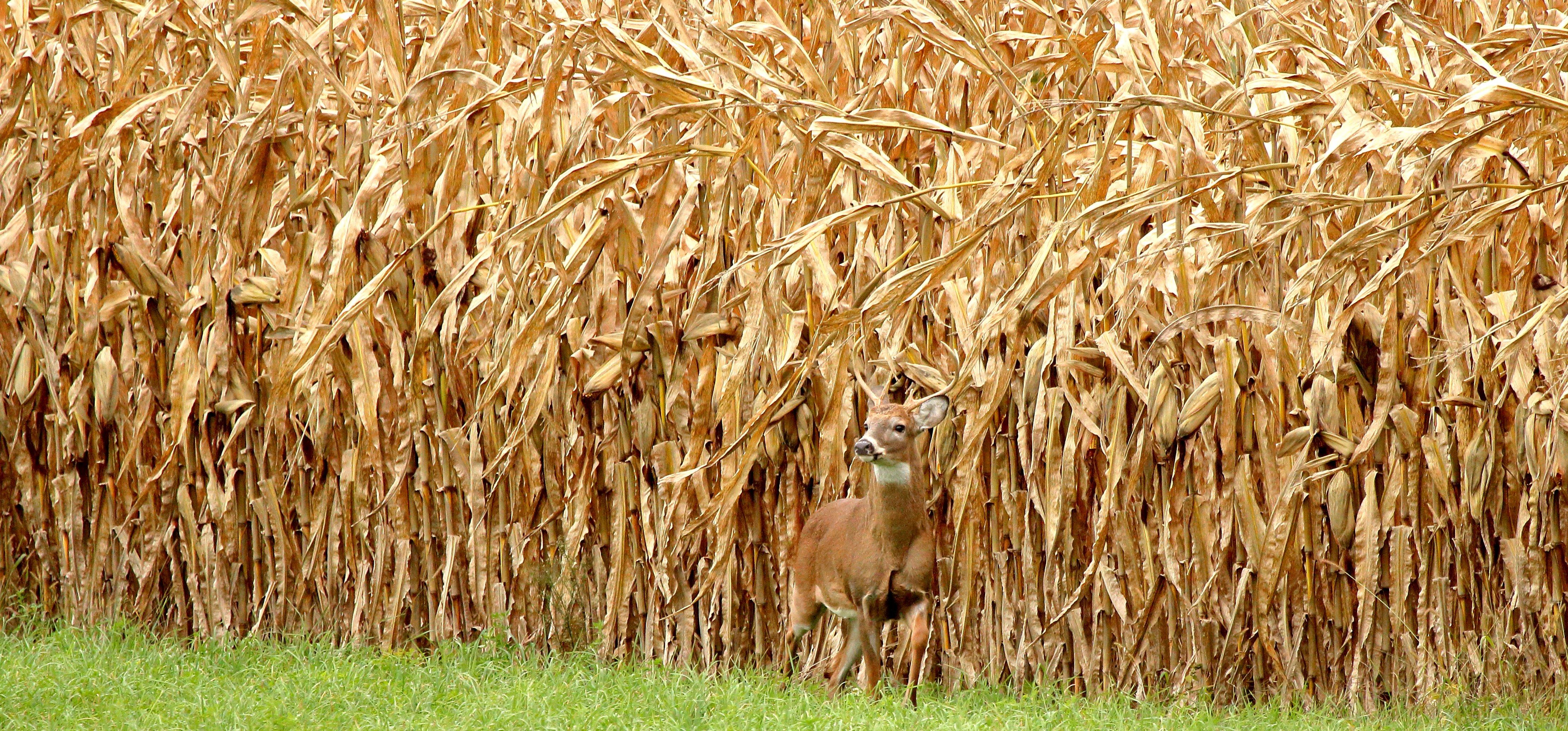
Bucks will continue to use standing corn for food and security throughout October, even when other behaviors have changed. (Photo by Melody Mellinger)
A SPOT TO SPEND THE LULL
I don’t believe in an “October lull.” I never have. Studies, and my own hunting experience, have convinced me that daylight deer movement only increases as October progresses. But there are some behavioral shifts in whitetails that cause them to move in different locations, and in different ways, than they did in August and September. Food sources change. Green browse dries up and goes dormant for the winter. Acorns start falling. Shortening days and a surge of testosterone cause bucks to become intolerant of one another, and home ranges shift as new pecking orders are established.
Don’t Miss: Six Foods You Didn’t Know Deer Eat
But if any pattern remains the same, it’s that bucks will continue using standing corn for both food and security. In fact, the hunting around standing corn only gets better deeper into October because bucks begin hitting scrapes more and more frequently.
A SHIFT IN PERSPECTIVE
I understand why hunters root for the harvest. Watching a combine cut through a field feels like the curtain has been pulled back. Suddenly the world looks open, and hunters assume deer are more exposed. But in reality, those deer aren’t sticking around to give you a shot. They’re slipping into the next county’s cattail marsh or timber tract.
Instead of celebrating the loss of standing corn cover, I’ve learned to savor it and to hunt for as long as I can. When the rows are still up, I know the deer are still nearby, and that they feel safe enough to move in the daylight.
That’s why, when everyone else is hoping for bare fields, I’m quietly hoping the farmer takes his time. If the corn stays standing until Christmas, I’ll take that deal every single year. Because in farm country, the presence of corn doesn’t make is harder to hunt deer — it makes it easier.
Don’t Miss: How to Deer Hunt a Heavy Acorn Crop