Picking the Perfect Dove Gun
Posted 2026-08-28 by
From gauge and action type to the top chokes and loads, here’s how to show up well armed to this year’s dove field
Having shot doves with a little bit of everything over the years, I recently decided to treat myself to a dedicated dove gun. A friend let me steal his 20-gauge Browning Citori Lightning O/U with 30-inch barrels. At 7 pounds, 1 ounce, and with those long barrels, it feels more like a target gun than a field gun. To my mind, it is one coat of Cerakote (black, and on the metal only, please) away from dove gun perfection.
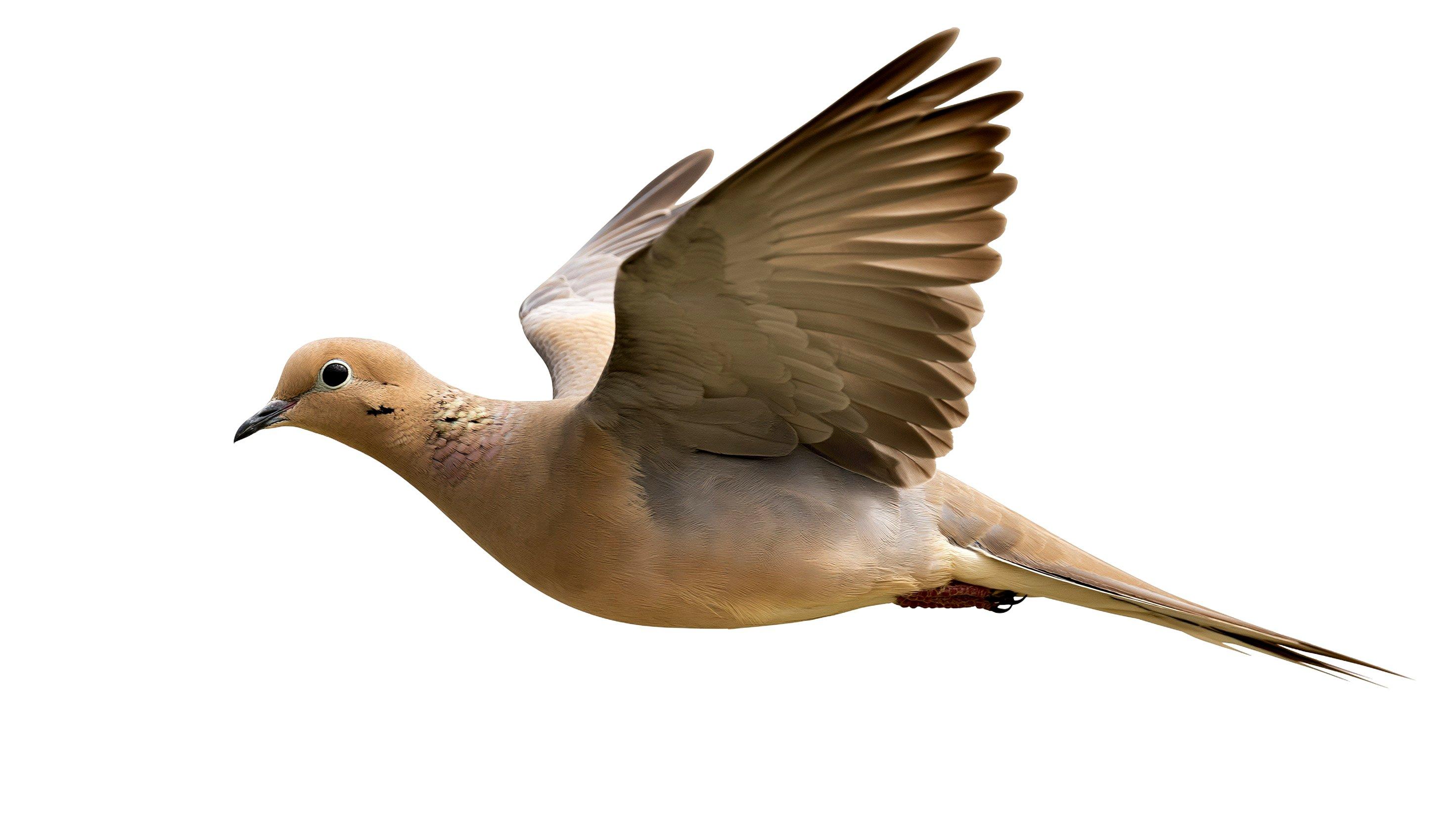
While a wide range of guns will work for doves, following these tips will help you take home more birds and increase your success rate per shot. Image by Estan7743
With open chokes in the barrels and a load to be determined at the patterning board, the Citori should do everything I want a dove gun to do. It will swing smoothly, recoil mildly, throw broad, dense patterns, and look good doing it.
You can bring whatever gun you want to a dove field. If you’re interested in dove-shooting efficiency, though, the definition of what makes the right dove guns narrows. While the gun is only one part of the gun / choke / load equation, it’s the part that helps you put the pattern on target, and the part we all like to think about.
I have hunted doves in Texas alongside a man who shot a $60,000 Italian O/U with a portrait of his springer spaniel engraved on the frame. I have also hunted in public fields next to people shooting Mossberg pumps. Both guns drop doves when you point them in the right place. Obviously, the amount of money you spend on a dove gun can vary, and your budget is up to you. I will not judge. What I can help you with is identifying the traits of a good dove gun, choke, and ammo.
Don’t Miss: THE 3 BEST CLAY TARGET GAMES FOR DOVE HUNTING PRACTICE
WHY A 20-GAUGE IS BEST
The best choice for mourning dove hunting is a 20-gauge, with the 12-gauge next-best. It’s not that the 16- and 28-gauges aren’t capable. They are, and the .410 is enough for a water hole shoot, or birds decoying close, as well. The real advantage of the 12- and 20-gauges comes at the cash register. You’ll pay $12-$13 a box for 12- and 20-gauge dove loads versus $20 a box for the other gauges. If the average hunter shoots 5-7 shells per dove — and when I started, I was in the “7+” range — feeding that 16- or 28-gauge or .410 can run into money.
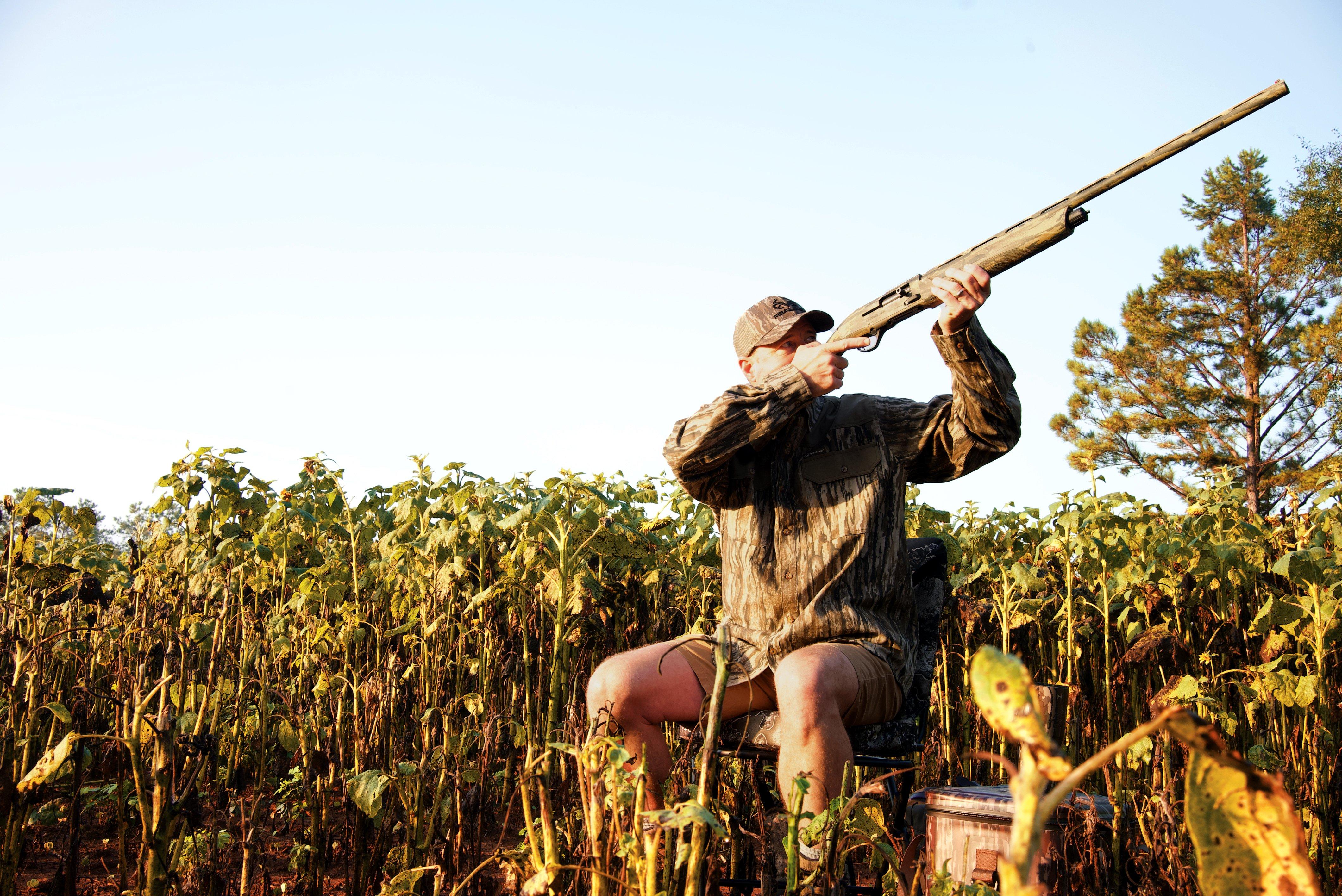
When it comes to economical shooting, 12 and 20 reign supreme. Image by Realtree
The 20-gauge hits the sweet spot for doves. It’s affordable. With 7/8-ounce of lead shot, or 3/4-ounce loads of steel, it’s effective to 35 yards or so and you can load it with 1-ounce loads if you need more reach. In all but the lightest guns, its recoil is mild. The 12-gauge is more versatile still. It can be loaded down to 20-gauge levels, or loaded up for high-fliers.
ACTION TYPES
Doves are migratory birds, so we must plug our repeaters. Even so, three shots gives you 50% more firepower than you get with an O/U or side by side. This can be good or bad, depending on how you use that third shell. I can only remember one time when I killed a dove with a third shot.
But the third shell shines when you keep it reserve. You can miss a dove twice and have a shell left in the chamber for the bird that lazes by while you’re reloading. As for pump versus semiauto, you may be able to cycle pumps smoothly enough for doves, but I cannot. I have tried. That leaves semiautos as my top repeater choice.
As for the decision between inertia and gas guns, I like the lower recoil of a gas gun. Inertia guns do stay cleaner longer, a fact not lost on high-volume dove shooters in South America, who may shoot cases of shells in a day. Here in the U.S., either gas or inertia will get you through a day of shooting a 15-dove limit with no problem.
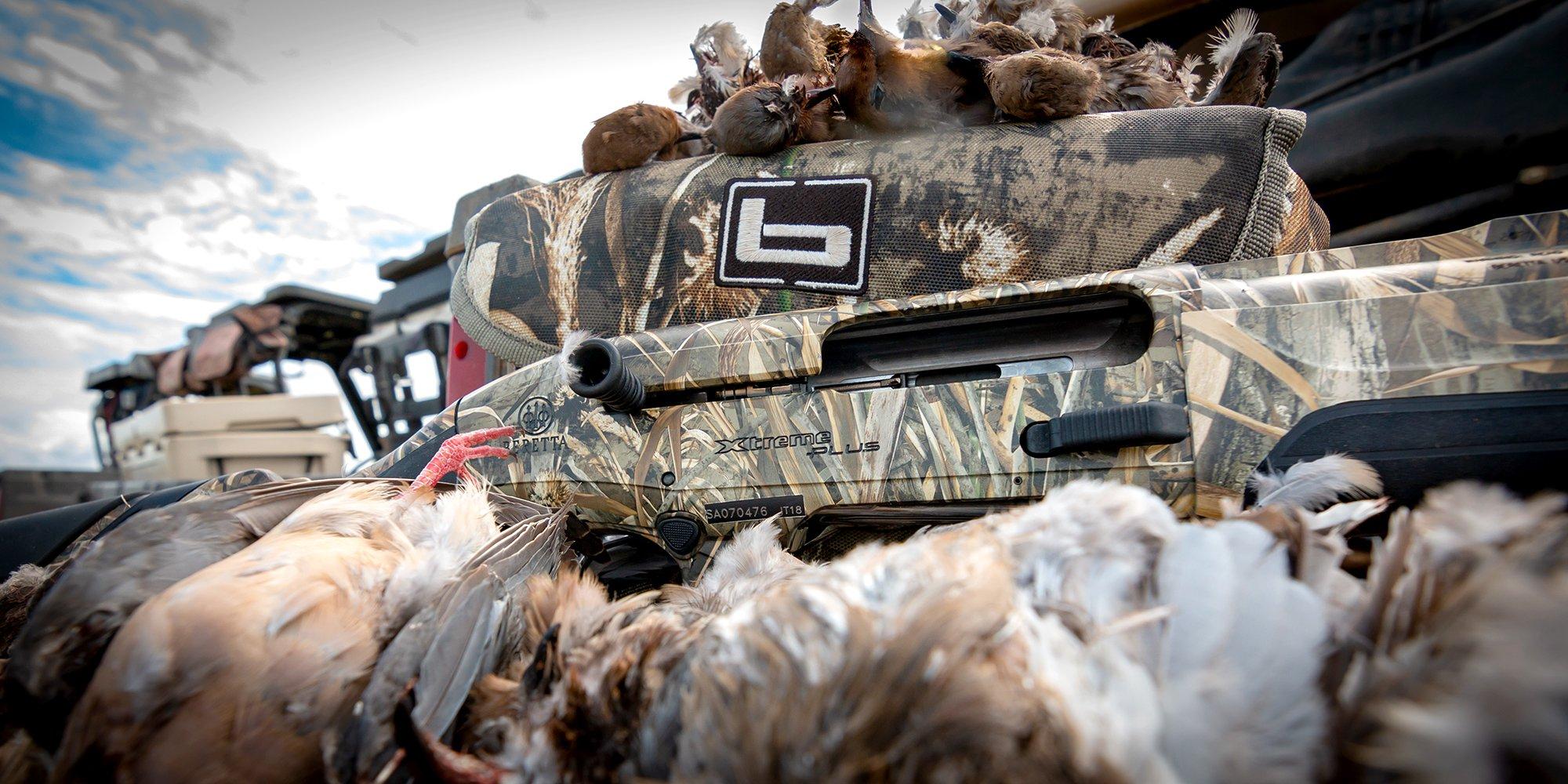
Gas operated semi-autos are easier on the shoulder when the action gets hot. Image by Austin Ross
Break-action guns give you the advantage of two chokes, and control of your empties. I can trap the empties in my hand when I break the gun open, saving me the effort of looking for them later. Also, I just like O/Us and have shot enough doves now that if one sneaks by while I’m breaking the gun and reloading, I can live with that.
Don’t Miss: IT’S OPENING DAY OF DOVE SEASON. DON’T SUCK IT UP
WEIGHT AND BALANCE
Heavier guns kick less and swing better than light guns. Some barrel length to give the gun a weight-forward feel helps, too. You don’t want a gun that’s sluggish, but some weight to smooth the swing will lower your shells to birds. Light guns feel faster, but they can be hard to control. There is no need for a dove gun to be light, because you don’t usually carry it for more than a few steps between the spot where they kick out of the truck and your spot.
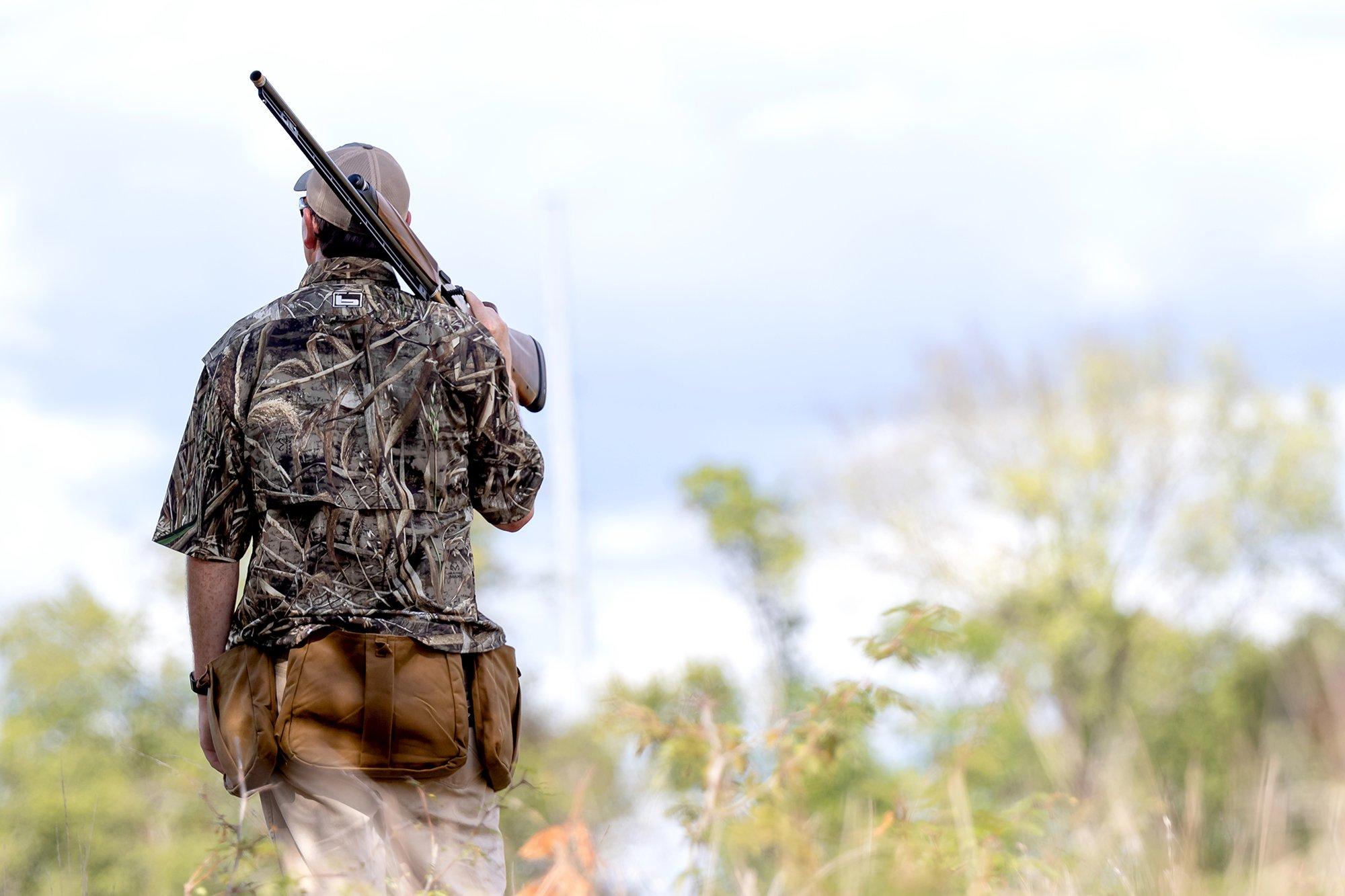
Heavier guns swing better and can increase your shot to kill ratio. Image by Austin Ross
FINISH
Dove hunts are hot, dusty affairs. A gun with a camo finish, or Cerakote on the metal, offers some protection against rust from sweaty hands. Hunt with a blued gun on a hot day, put it in a case without wiping it down, and drive home in an air-conditioned vehicle that causes moisture to condense, and parts of your gun will be orange by the time you get home. You should clean any gun after a dove hunt, but a corrosion-resistant finish helps, and there’s nothing wrong with camo. Doves aren’t as wary as ducks or turkeys, but blending in is always better than standing out.
Don’t Miss: NO DOVE FIELD? NO PROBLEM
CHOKES
Several years ago, ballistician Tom Roster conducted a double-blind study of lead versus steel dove loads for the state of Texas. In conducting the test Roster took note of the chokes used by the hunter-volunteers. Those using Improved Cylinder had the best shells-per-bird ratio, beating out the tighter Modified- and Full-choke shooters. That finding jibed with the finding that most hunters hit more and wounded fewer birds at ranges of 35 yards and under, where IC is most effective.
Improved Cylinder offers more spread than a tighter choke at the ranges most hunters can hit birds. If you pattern your gun before the season, test it at the ranges where you expect to take most of your shots. Shoot your patterns, draw a 30-inch circle around it with the densest part of the pattern at the center. Count holes. For small bird like a mourning dove, you want to see at least 200-220 holes in that circle, with a decent number of those hits spreading out to the edges of the circle.
AMMUNITION
To achieve those 200-plus hits in a 30-inch circle, you will need to shoot small shot at doves. In lead, both 7 ½ and 8 shot work well, with 7 ½ giving you a bit more pellet energy, while 8s have a higher pellet count per ounce of shot. Some places require non-toxic shot. Because steel isn’t as dense as lead and lacks its downrange energy, you’ll want to go slightly bigger, choosing between 6 and 7 shot. I like 7s and have shot a lot of doves with them with good results. A friend who works at a club that offers dove shoots to its members tells me their cripple rate dropped when they switched from steel 7s to steel 6s. Roster’s steel versus lead study showed virtually no difference in bagging rates between steel 6 and 7 shot and lead 7 ½ shot, with steel actually performing slightly better at the 35-yard-and-under ranges where most doves are shot. The average successful shot in the study was 29 yards.
When I do shoot lead at doves, I often choose 12- or 20-gauge target loads of moderate velocity. A 1200 fps, a 1-ounce or 1 1/8-ounce lead load in 12-gauge, or the standard 7/8-ounce, 1,200 fps 20-gauge load is enough for the mourning doves I shoot, most of which are coming to a decoy.
Shooting white-winged doves showed me dove ammunition in a different light. The birds flew higher and shots were longer. I had often wondered why Federal Hi-Bird 12-gauge ammo existed, then white-wings showed me the reason it was developed. The high-quality components, the hard, tight-patterning shot, and the 1,275 fps velocity make it easier to pluck those birds from the Texas sky.
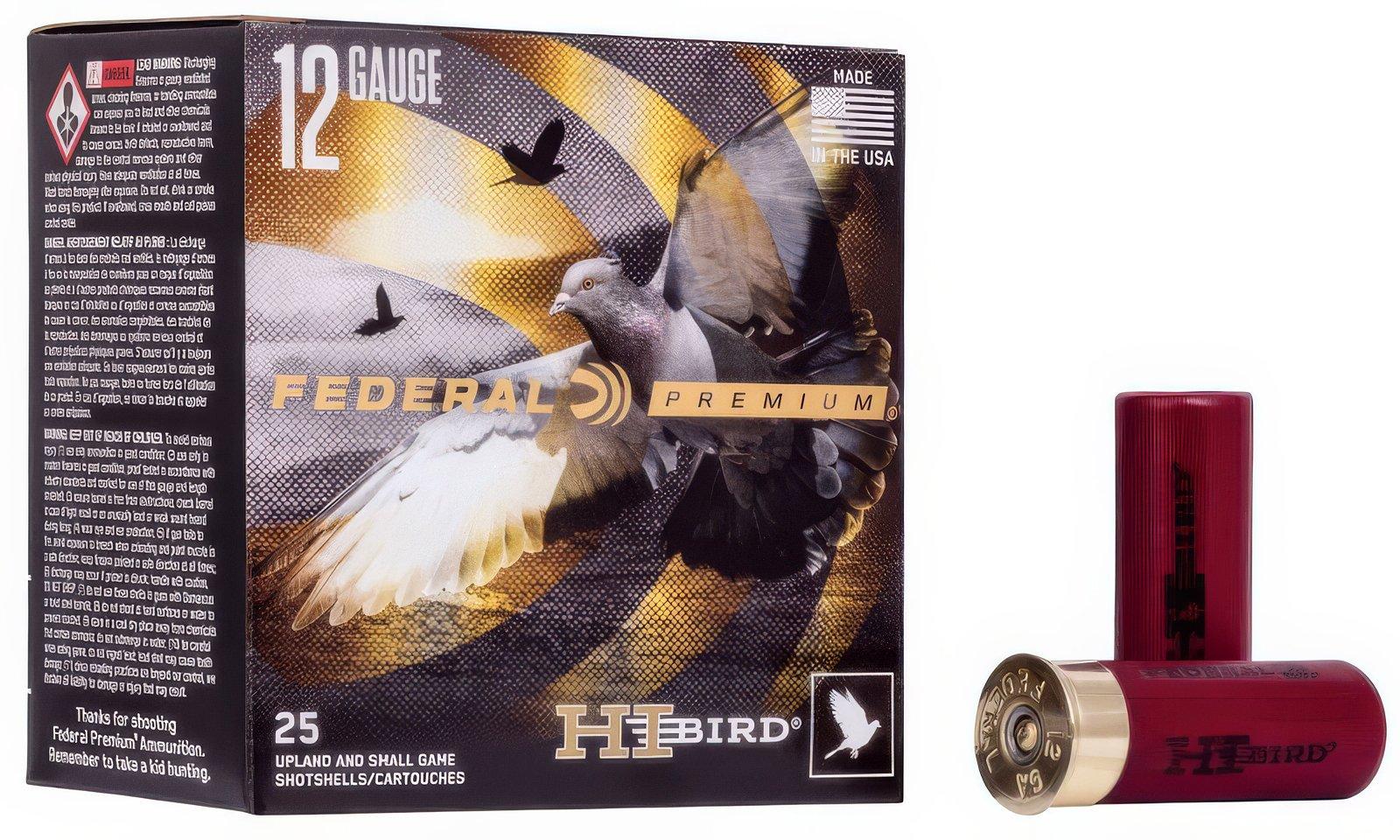
Heavier loads like the Federal Hi-Bird shine when shots are longer. Image by Federal Ammunition
Spend some time in the days before or between hunts matching your gun, your choke, and your ammunition. Dove hunting marks the beginning of the fall season. It’s the grand opening of the year to come. You should at the very least show up properly armed.
Don’t Miss: DOVE STUFFED TEXAS TWINKIES
?fmt=auto&qlt=default&fmt.webp.qlt=65&fmt.png.qlt=73&fmt.jp2.qlt=35&fmt.jpeg.qlt=60)