Teal Time | 9 Tips for Bagging More Bluewings
Posted 2026-09-01 by
The early season has arrived in many states. Here’s how to cash in on fall’s first migrants
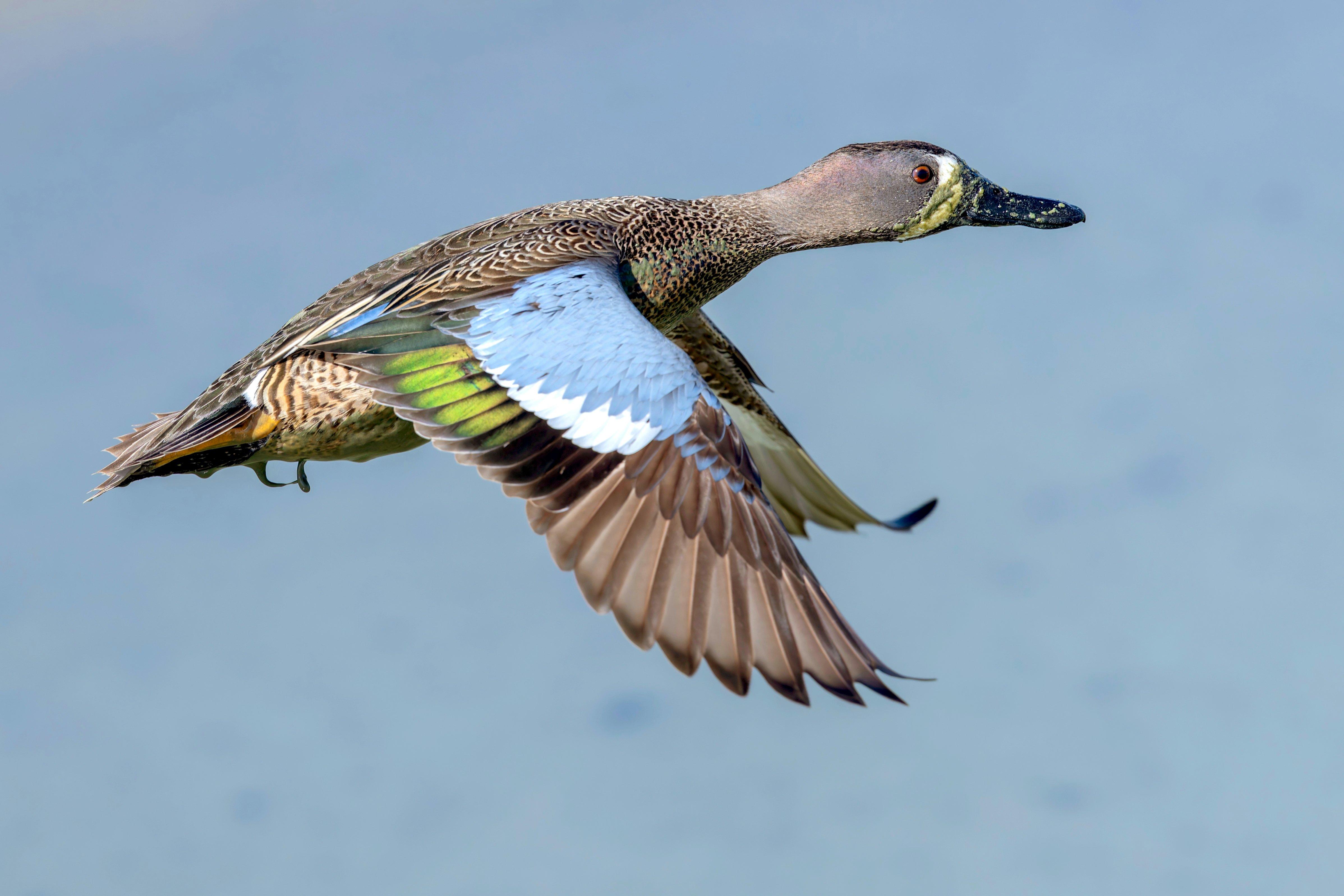
Blue-winged teal migrate in force during August and September, and they move with the slightest north wind. Photo by Bouke Atema.
For an opening act, teal season has plenty to offer, including pleasant weather, sporty targets, and great eating. It’s the perfect opportunity to knock the dust off your decoys and prepare for a long fall campaign.
Many waterfowlers view early teal hunts as a warmup to the main event and don’t get overly concerned with specialized methods. And honestly, you can often score a few early birds by using a simple, straightforward duck hunting approach. But if you’re looking to consistently fill straps, fine-tuning your teal hunting strategies can pay dividends. This fall, try these tips to put more early-season rockets over your blocks.
BE SURE BEFORE SHOOTING
This really isn’t a tip. Rather, it’s a reminder to help folks avoid trouble. During teal seasons in production states — the northern, Midwestern, and Plains states where ducks nest — you’ll likely see several species of ducks in your decoys. Teal aren’t difficult to identify, especially given their size, the powder-blue shoulder patches of bluewings, and the distinctive twisting flight of greenwings. However, other young-of-the-year ducks can be a bit tough to ID during late summer and early fall, as they’re relatively small and might lack distinct coloration. Drill down on your in-flight identification skills to avoid making a mistake. Watch closely for the distinctive white bellies and square tails of wood ducks. Look for slender profile, and long necks, and large bills of northern shovelers. Even be on the lookout for hooded mergansers, which might be of similar size to teal but will have white bellies and much faster wingbeats. And if you have doubts, whether it’s during low light or the sun is in your eyes, simply hold fire.
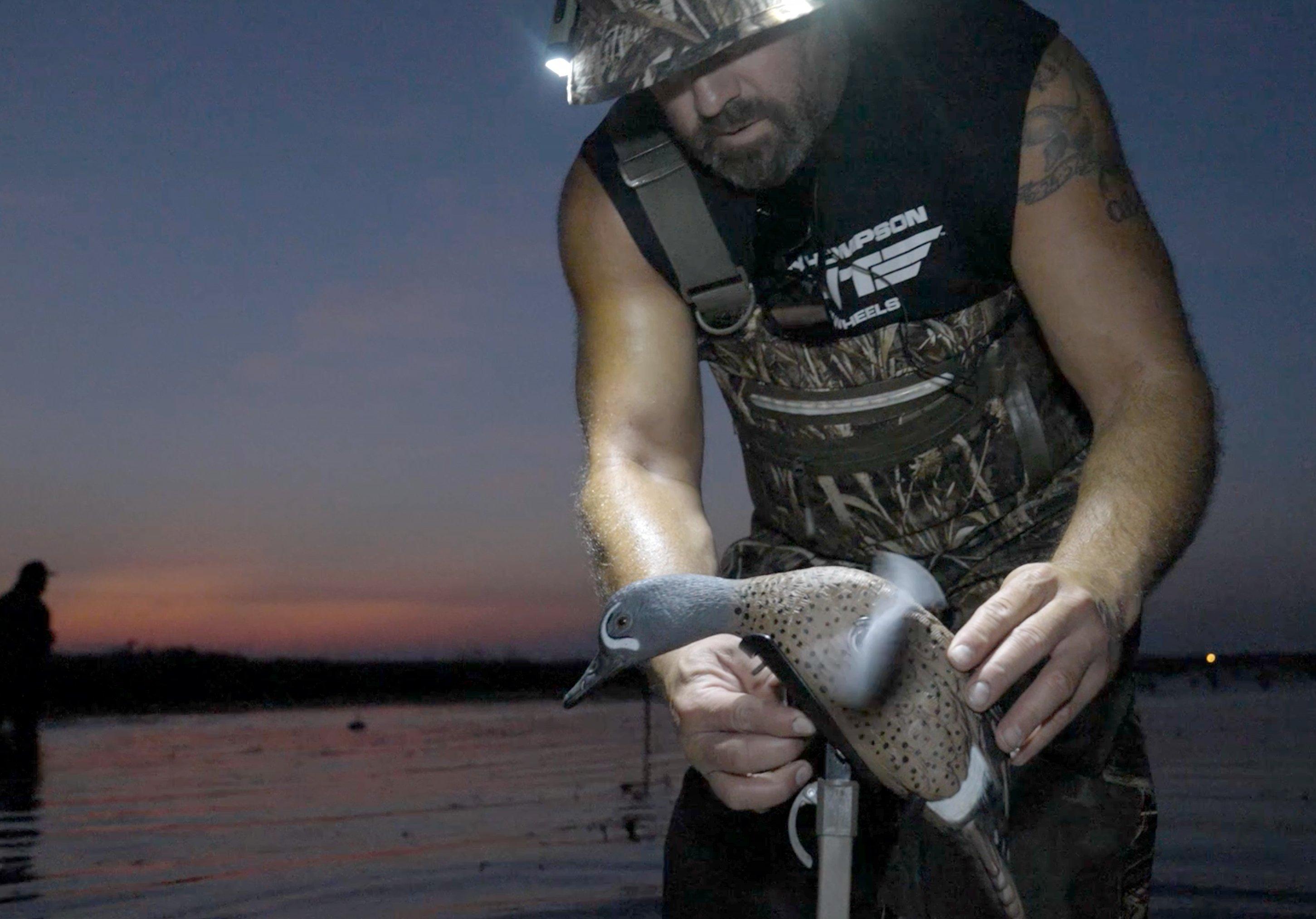
Sometimes, a speedy setup works best for teal, as they might only fly for a brief period after sunup. Photo by The Fowl Life.
WATCH THE WEATHER AND WATER
Teal seasons are held during late summer and early fall because bluewings are already migrating in force. Overnight, waters that had been locked in the doldrums of summer might suddenly hold dozens of fresh teal. Obviously, it’s critical to anticipate the arrival of migrating birds and know where to look for them.
“Our part of the country has a lot of Wetland Reserve Program tracts full of moist-soil habitat,” said Tony Vandemore, owner of Habitat Flats near Sumner, Missouri. “Typically, teal can be found there, but they can also be found flying the big river on flight days, plus big lakes and pasture ponds. They start coming through in August, and it doesn’t take much to get some on the move. I’m usually watching states to the north of Missouri and on into Canada, looking for north winds and nightly lows in the low 50s. If you see 40s for lows, you can bet some are rolling.”
Don’t Miss: Should You Try a 28-Gauge Duck Gun?
Bluewings might be even more here-today, gone-tomorrow up North, but waterfowl guide Jeremy Dersham, owner of Ridge and River Running Outfitters in Wisconsin, takes a similar approach.
“Teal terrain normally consists of shallow water holding vegetative matter consisting of seeds and leaves, such as nut grasses and millets,” he said. “I’m scouting small ponds, mud flats on river systems, and potholes.”
Like Vandemore, Dersham noted that bluewings migrate with the slightest north winds, so it’s important to line up several potential spots. “Don’t put all your eggs in one basket,” he said. “Finding numerous locations of staging teal in different areas will better help your daily averages.”
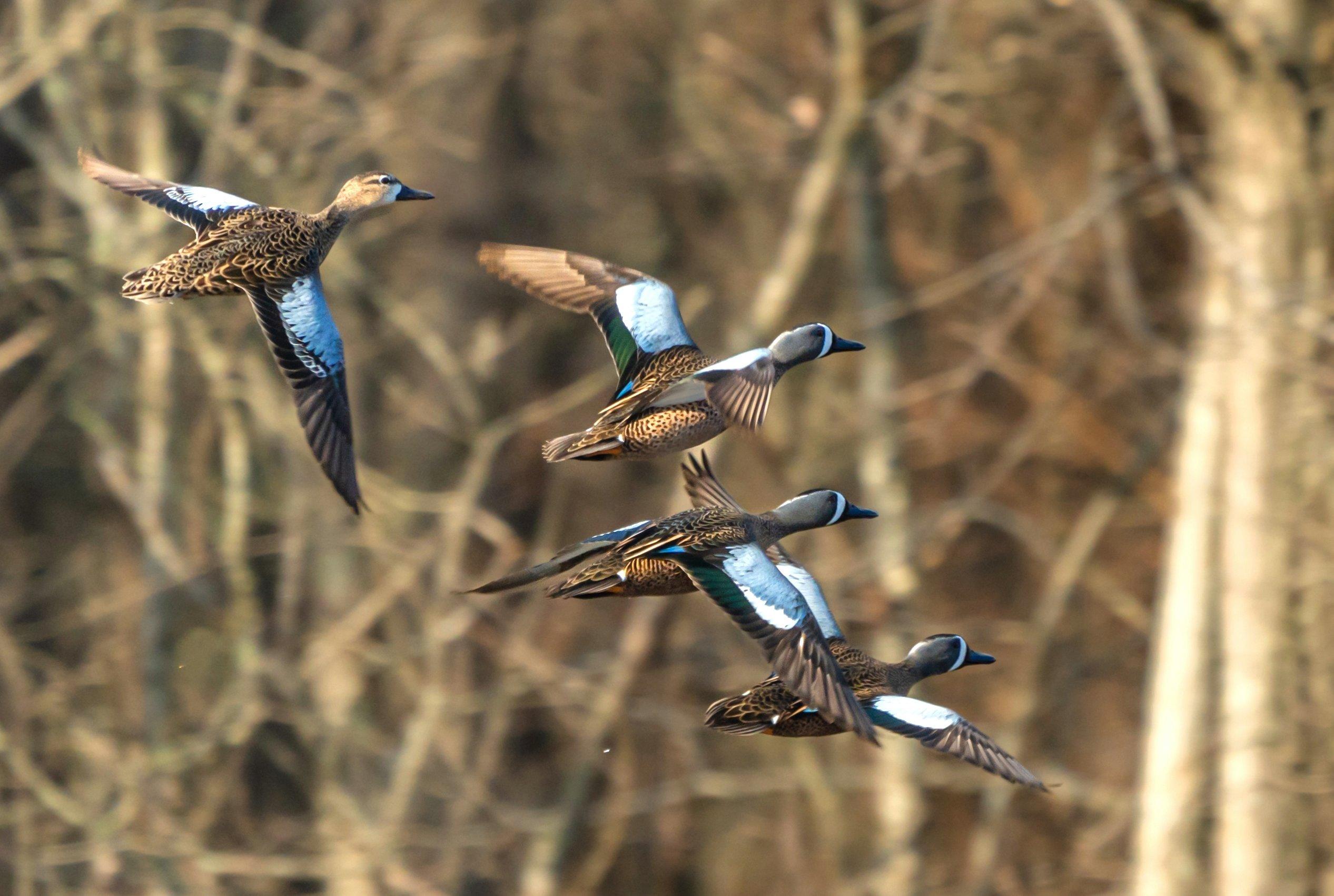
Calling the shot on decoying teal can be tricky. Many guides anticipate the shot and give the OK a few seconds before the birds are actually in the kill hole. Photo by Gordon Magee.
SCOUT IN THE SEASON
Late-summer and early-fall water conditions can change quickly, so it’s critical to keep tabs on teal location and routines right up to the opener and throughout the season. Heat and drought can dry up spots that might have previously attracted teal, concentrating birds at spots with more water. Conversely, a big rain might quickly flood low spots and create sheet water in fields, providing teal with attractive temporary habitat.
“Typically, I find my early season birds in the same locations yearly, but that can change due to summer rains,” Dersham said. “The last five years on average, my potholes have been flooded, creating a plethora of food for the birds. This year, we have been dry, so my typical haunts are dried up. So now I’m looking at birds on smaller ponds and mudflats in river systems. I’m mindful of current and future forecasts and plan my scouting missions accordingly.”
Putting boots on the ground is the best way to get the most recent info. Hike into remote spots to monitor water conditions, or glass flight patterns from afar to see where birds travel, feed and loaf.
TRY A SPEEDY SETUP
You don’t need an elaborate decoy spread for teal, especially if you’re hunting small waters. For example, Vandemore typically goes with four-dozen Texas-rigged Dive Bomb teal decoys and a couple of spinners placed as low to the water as possible. His hides are also simple. Usually, he uses marsh seats placed in thick flooded vegetation, willow trees, weeds on a levee or, occasionally, pits. When he hunts with clients, he might also use A-frame blinds.
That approach differs from his mid-season routine.
“For mallards I’m usually setting a big spread and it takes a little longer, but we’re generally set up and pouring a cup of coffee 10 to 15 minutes before shooting time,” he said. “With teal, especially on warm days and nights, they might not fly for too long and get accustomed to being in very defined spots. I prefer to wait until about five to 10 minutes before shooting time, roll in, throw our four-dozen Texas-rigged teal decoys a handful at a time, stick a couple of spinners out, load the guns and be ready as soon as possible. It’s a bit of a Chinese fire drill, but I think it helps because it gets them up and kicking around, and generally, it’s shooting time before they have a chance to sit back down somewhere and get comfortable. That’s opposed to running them out and being ready a half hour before shooting time.”
Don’t Miss: What Do Ducks See From the Air?
PICK ’EM OFF AT THE PASS
During frenzied teal openers, when pressure can be heavy, you’re sometimes better off hunting flight paths birds use as escape routes rather than stubbornly trying to decoy spooked ducks.
For example, perching along a levee between two sloughs or mud flats can allow productive pass-shooting. It might not feel like a classic hunt, but it’s darned effective at times. Later in the season, seek natural corridors teal use as flight routes. River, creeks, and channels are ideal.
This strategy is akin to running traffic, but you’re actually just shooting birds traveling from one spot to another. Throw out decoys to grab the attention of teal and maybe slow them down a bit, but don’t expect feet-down decoying opportunities.
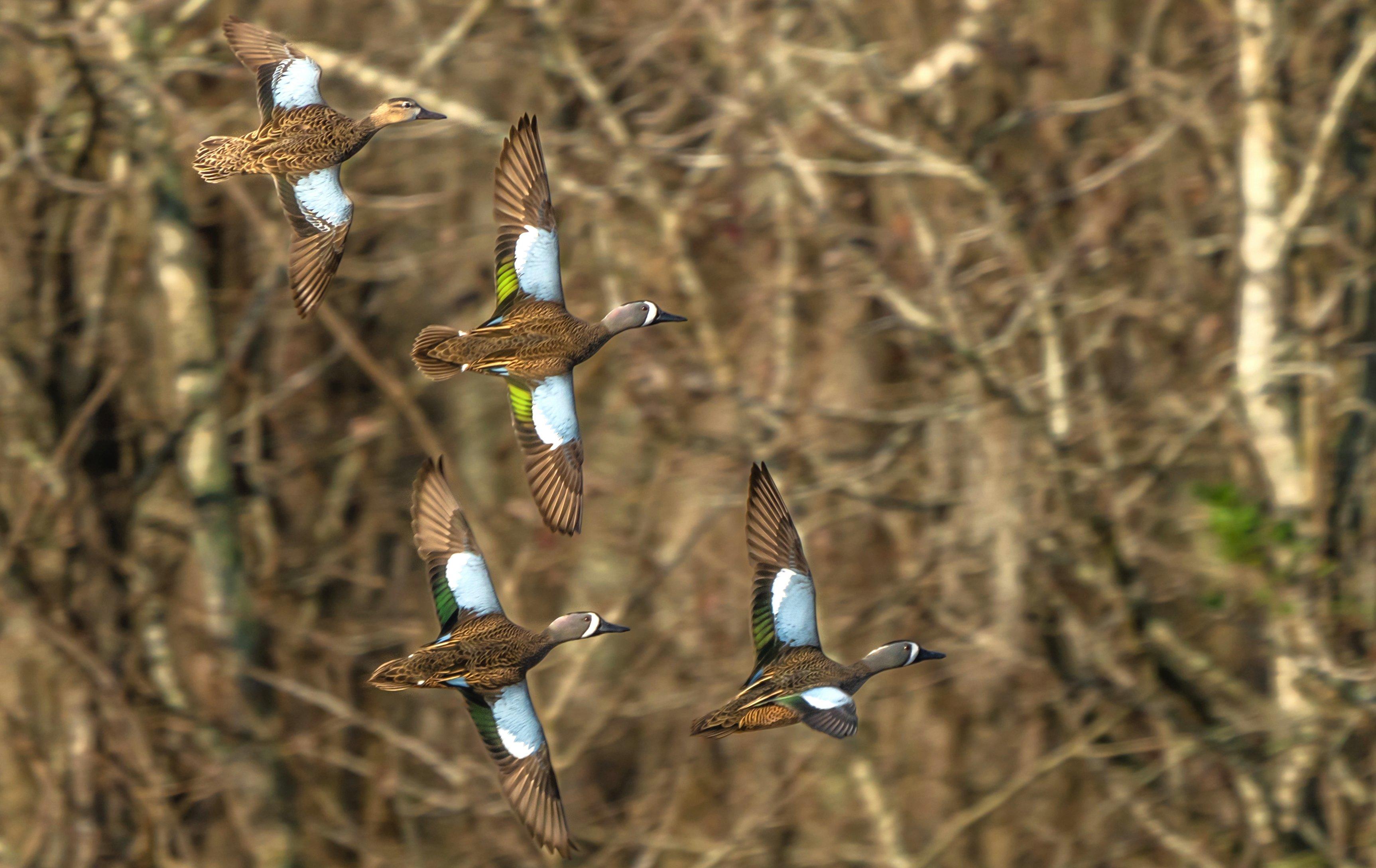
Bluewings are pretty easy to identify, given their size and distinct powder-blue wing-shoulder patches. Still, you should sharpen your duck ID skills to avoid making a mistake with other duck species. Photo by Gordon Magee.
CALL THE SHOT CORRECTLY
News flash: Teal are quick, and that can make calling the shot tricky. Vandemore watches approaching birds closely and waits for telltale signals before giving the OK.
“I really like to see them kick out their feet,” he said. “It might require letting them make a couple of extra passes, and you might not end up with the whole flock, but shooting percentages are typically higher. It’s still tricky depending on who you are hunting with and how long it takes them to get up and be ready to take a shot. If I see birds banking out front or off to the side on a low pass where they should put it in, a lot of the times I’m calling the shot two to four seconds or 10 to 20 yards before they are actually where we are going to kill them.”
TRY SHOOTING SECOND
Teal streaking across your spread can create a chaotic scene. Birds often cross at the last instant, and then scatter wildly after the first shot. Focusing on one target can be tough, especially if you’re with a large group of hunters. Sometimes it actually works best to let your blind-mates shoot first (unless you get an absolute chip shot) and then simply clean up leftover birds that rise up and try to escape. This seems counterintuitive, but it can help you avoid shooting the same duck as your buddy or having to quickly readjust after your target bird gets tagged. You’ll want to practice hard crossing shots (the middle stations in skeet) and the classic springing teal shot in sporting clays to prepare for these chances.
Don’t Miss: How to Build a Great Duck Blind
CALL ’EM CLOSER
Teal hunting isn’t like flooded timber in January, where you pretty much have to use realistic sounds to convince ducks to swoop in. Still, calling can help you grab the attention of passing teal and finish them in the decoys.
You can use a standard mallard call to imitate bluewings (although some manufacturers, including Duck Commander, make teal-specific calls). Pinch down the air flow, and blow a choppier, shorter version of a mallard call — like “meep, meep, meep, meep, meep.” Justin Martin, general manager of Duck Commander, provides more details in this video.
If you encounter greenwings, switch up to a teal whistle, and imitate drakes by uttering sharp, staccato single peeps or peep-peep-peep.
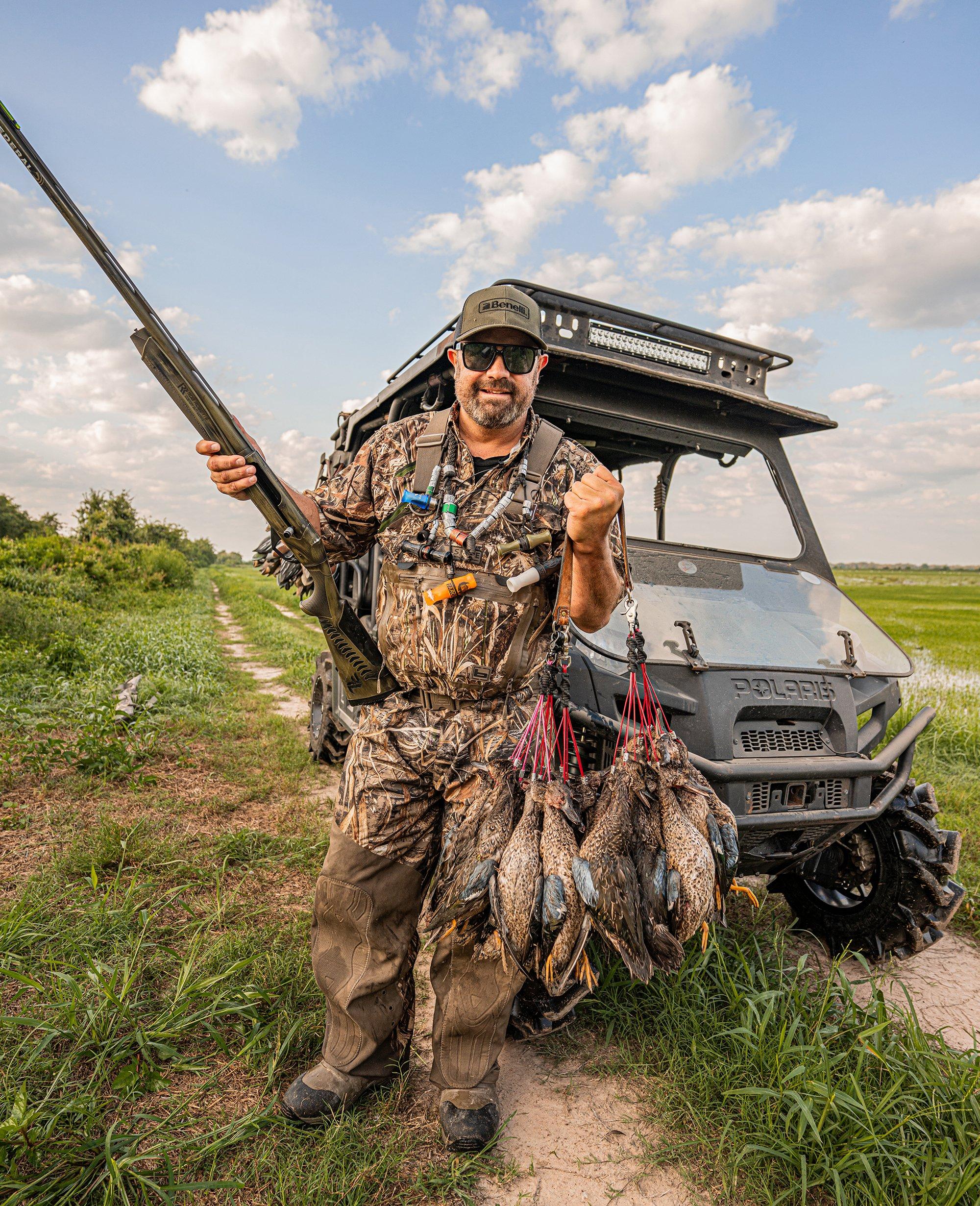
Fast action and great table fare — what’s not to love about early teal season? Photo by The Fowl Life.
DON’T QUIT
Pressure during teal season is often most intense the first couple of days, or on a weekend. But don’t stop hunting after the first crush. Bluewings migrate almost continuously during late summer and early fall. Watch for conditions that might bring in fresh birds, and be ready to hunt. And if it’s later in the season, you might be able to access spots that were overrun during the opener.
Never be afraid to try new strategies or spots, and enjoy the special appeal of teal season. It might not be quite like hunting red-legged mallards in winter, but it’s a unique opportunity to watch the migration unfold and hone your hunting skills.