The 2025 Midwest Deer Season Forecast
Posted 2025-08-06 by
Some areas of America’s Heartland are still recovering from disease and bad winters, but it remains the best region in the country to kill a giant buck, and hunters should expect a good season overall
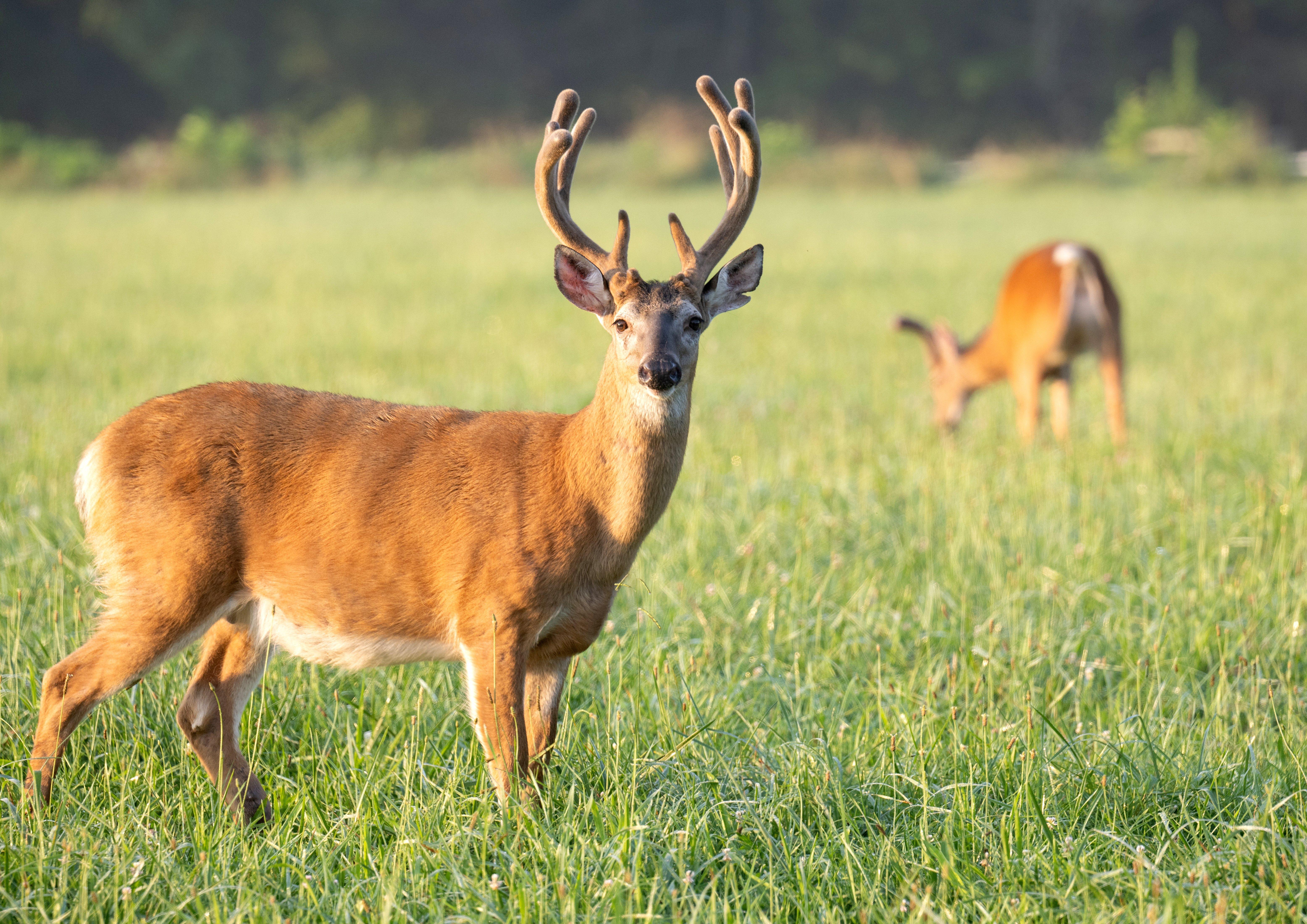
The Midwest has had its ups and downs over the last few years, but even at that, this is always the region to beat in terms of quality bucks. Photo by Tony Campbell.
Deer season is right around the corner in the Midwest. This region is arguably the cream of the crop for big bucks, but herd numbers in some states are still rebounding from a harsh winter three years ago, as well as ongoing disease-related mortalities. Still, Midwest hunters should look forward to an overall positive hunting experience this fall. Here’s the latest breakdown of each Midwestern state in Realtree’s Antler Nation.
Check Out Our Latest Camo Pattern: Realtree APX
Illinois
Discussions among deer hunters suggest that the Land of Lincoln isn’t what it used to be in terms of big bucks, largely due to publicity and pressure. While the glory days, especially on public land, might be over, Illinois continues to produce Boone & Crockett-class whitetails every season, and it is still undeniably a great place to hunt big bucks. I know three different groups that lease or own deer dirt in different parts of Illinois, and they always capture big bucks on their trail cameras and kill some exceptional ones, too. And according to the National Deer Association’s 2025 Annual Report, Illinois’s buck harvest is trending upward.
Indiana
Limit hunters to one buck, and many of them will become pretty selective about what they shoot, thus improving the age class. That parameter seems to be working well in Indiana. Visit the Bucks of Indiana Facebook page for a sampling of the type of bucks the state annually produces. All indications are that Hoosier State hunters should experience another solid deer season this fall. Moriah Boggess, former deer biologist with the Indiana DNR, said that hunters can encounter big deer anywhere in the state, but that the northern counties are the top producers.
Iowa
Like Indiana, every corner of Iowa can produce huge bucks, but the southern and eastern reaches of the state seem to crank out the most record-book bucks. That’s no surprise because those are the toughest zones for nonresidents to draw, and a lot of high-profile hunters hang their hats there. According to the Iowa DNR Deer & Turkey Harvest Report, antlered buck harvest has hardly fluctuated over the last three deer seasons, so it looks like Hawkeye State hunters should enjoy another incredible deer season.
Kansas
Like other Midwestern states, Kansas has had its bouts with EHD and CWD. It is also an extremely popular state for nonresidents, which puts intense pressure on some public parcels, especially those featuring classic riparian or timbered habitat. Even so, Kansas is Kansas, and a place where you could encounter the giant of giants, even on public land. If you drew a 2025 Kansas tag, you should be in for a great hunt. Levi Jaster, big-game coordinator for the Kansas Department of Wildlife, Parks and Tourism, suggested that public-land hunters should “research what properties are available in the DMUs they are hunting in and try to find overlooked spots. Also, check out the WIHA properties, and look for overlooked deer-habitat pockets on those.”
Michigan
Michigan DNR officials report that the state’s archery hunters rack up the highest archery harvest of any state. That said, in Michigan, quantity trumps quality. Hunters can grab an inexpensive license, go hunting, and stand a great chance of getting a deer. The latest age-class data breakdown of harvested bucks is from 2022: 36 percent of bucks harvested were 1 1/2 years old, 36 percent were 2 1/2 years old, and 28 percent were 3 1/2 years old or older, per the National Deer Association’s 2025 Annual Report. Don’t expect the giants that adjacent states produce, but taking a mature buck is certainly possible. Michigan is second only to Texas for most bucks harvested, a stat also noted in the National Deer Association’s 2025 Annual Report.
Minnesota
Between predation, harsh winters, and aggressive herd reduction designed to combat CWD, the Land of 10,000 Lakes has experienced some downfalls to its deer hunting in recent years, but it still has a healthy deer herd and regularly produces record-book bucks. Nicolas Worden’s 227 3/8 buck taken in Mahnomen County last November hammers home the fact that, even though overall buck harvest is down, Minnesota still can produce some screamer bucks.
Missouri
Rich soils and excellent genetics are two reasons why Missouri ranks No. 7 on the Boone & Crockett Club’s list of top trophy-producing states. While it used to be a sleeper state, it hasn’t been for a long time, as affordable OTC nonresident tags and generous public-land opportunities have boosted hunting pressure, especially around population centers and near Iowa. Despite hunting pressure and bouts with EHD and CWD, Missouri continues to be a go-to state because it offers great deer hunting year after year.
Nebraska
Like other Great Plains states, Nebraska’s whitetail numbers have suffered a decline related to disease and somewhat recent harsh winter and spring conditions. Also, being a two-buck state for both residents and nonresidents for many years took a toll. Fortunately, the Game and Parks now have quotas to mitigate over-harvesting. Nebraska still gets plenty of hunting pressure, but most of the state is pretty remote, so pressure here looks a lot different than in states east of the Mississippi River. I hunted for a handful of days during the 2024 rifle season and saw some hunters, but not so many that I couldn’t find places to hunt. I saw very few deer, but I almost got a crack at what I believe would have been the buck of my life. Don’t expect to see tons of bucks, but when you see a buck, he might be a monster.
North Dakota
North Dakota is a lot like Nebraska in that the combination of disease and winter mortality has shaved the population down from historical highs. Ambitious hunters willing to cover lots of different public and PLOTS (Private Land Open to Sportsmen) parcels can find pockets of deer and some solid bucks. Ben Matykiewicz, the big game management biologist for the Game and Fish Department, suggests focusing on areas with prairie and brushland habitat, not to mention river bottom habitat, where he noticed promising deer numbers while surveying moose.
Ohio
According to the National Deer Association’s 2025 Annual Report, the Buckeye State’s buck harvest is on the rise. Ohio is also a hotbed for Realtree Rack Reports and has been for years. Being an OTC state means that pressure is increasing, especially on the state’s fairly limited public lands. Despite that, when you hunt in good habitat — Ohio has gobs of it — in a state known for monsters, anything can happen. Fall 2025 in Ohio should be epic.
South Dakota
Not to sound like a broken record, but we’ve landed on another Great Plains state slammed with disease mortality and some tough winter and spring conditions a few years ago. Numbers are down significantly from previous highs, including at one of the state’s National Wildlife Refuges, where the staff told me the hunting is good, but nowhere near its heyday. A resident I’ve known for a long time also said that the Black Hills, which once were full of whitetails, have suffered a significant decline. But, the word on the street is that hunters are still having positive experiences in the field. Fall 2025 in the Mount Rushmore State should look a lot like it did in 2024; not as good as it once was, but still not bad.
Wisconsin
The Badger State’s gun harvest was down last November, but that shouldn’t sap your optimism, unless you’re hunting in the northern part of the state, where hunters and landowners are constantly reporting wolf problems and lower deer densities. The central and southern regions have booming deer populations and numerous bucks that are 3 1/2 years old or older. Keep in mind when consuming Wisconsin’s publicity as the top destination for Boone & Crockett-class bucks that very specific areas of the state produce most of the record-book entries. Private land with sound management rules in those counties, so if you’re hunting large chunks of public land or small private parcels in other areas, where many hunters shoot the first antlered buck they see, scale back your expectations.